
Socialism/communism-seen through the eyes of an American.
Fist hand view.


I lived through the Cold War, experienced it from the free west side, but the only way I saw or know the east side of life was by literary exposure of daily conditions in Iron Curtin countries such as the Gulag Archipalego by Aleksandr Solzhenitsyn, or cold war espionage novels by John Lacarre. I never experienced life there first hand. Until I went there with my wife after the Cold War was over and the wall was torn down and the old Soviet bloc republics were free. It was in the early 1990s, and not because we couldn’t go there, but because we had no reason to go there. Until our business interests took us there. And then I saw first hand the miserable conditions everyday citizens lived under and how they were affected by it.
‘The first place we visited was The newly unified Germany, when we flew into Berlin. We had a friend living there, and he took us around showing us his city that he loved so much. The whole time we knew him he talked about how wonderful West Berlin was, because that was where he was born and raised, and how bad East Berlin was, grey and miserable and oppressive. So fo course he took us on a tour of East Berlin, to the wall, what was left of it, and check point Charlie. He wanted to show us the stark difference of his city by the occupation of Soviet communists in the east, and Western capitalists in the west. Things were changing, and although we never really got to meet East Berliners and talk to them, we could see what their conditions were like, and their desperate lives they had lived with the sparkling West Berlin just out of their reach beyond the dividing wall. It was sobering.
next stop on our tour…Czech Republic, the main focus of our trip, to find beads and bead factories. We drove on the autobahn from Berlin to Prague, via Dresden, which was still a bombed out ruin of a city left over from the war, a condition maintained by the communists as as a punishment reminder for what Germans had done to Russia 50 years ago, and they were never going to let them forget it.
‘Czech Republic was not like that, the towns were quaint, Prague was beautiful, except for the Brutalist architecture of Soviet era communist apartment blocks surrounding the historic old town, or centrum as they called it. They were ugly to say the least. Even though they tried their best to hide the desperate living conditions by painting the exterior of the buildings with bright colors of green, yellow, red and blue, a close up inspection showed the bad condition of the door frames, and windows, the crumbling walls. The weeds growing in cracks, the neglect.
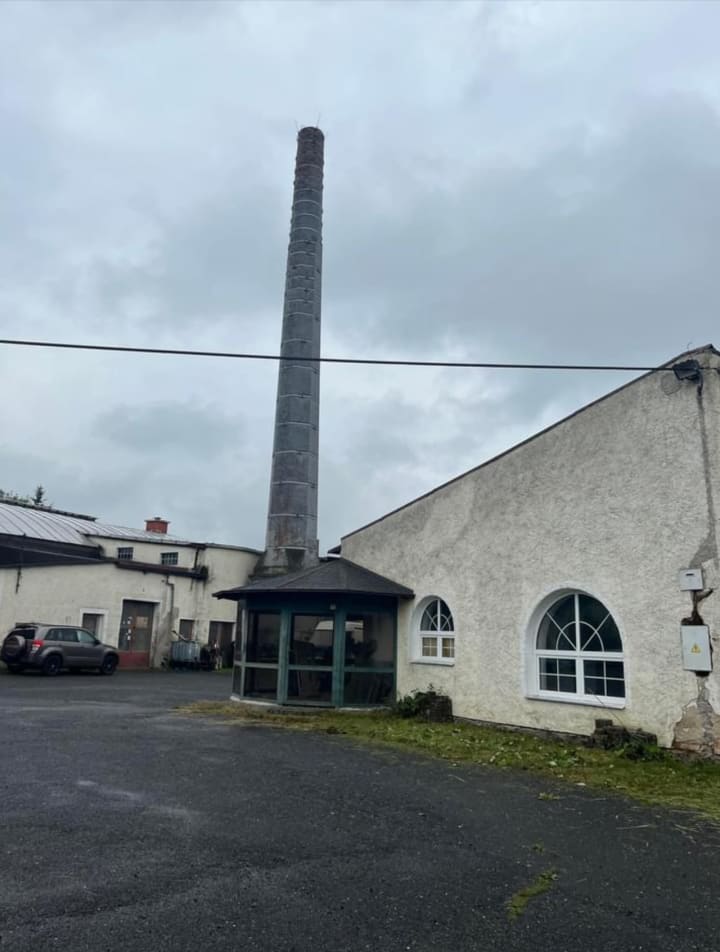
when we arrived in Jablonec, the Bead town which was our destination, we spent much more time, walking around, meeting people, factory owners, factory workers, hotel staff, real people. We saw houses up close, old German mansions from a bygone age when the area was part of the Austrian Empire, built before World War One. After World War Two the German owners were deported back to war torn Germany, and their houses were given to Czech citizens to live in, and the German bead factories big and small were nationalized and given over to the Czech workers to run under state control, not owned by the Czechs, just allowed to live in or run the businesses. So because the Czech people had no investment in these buildings or businesses, they became run down and mismanaged.
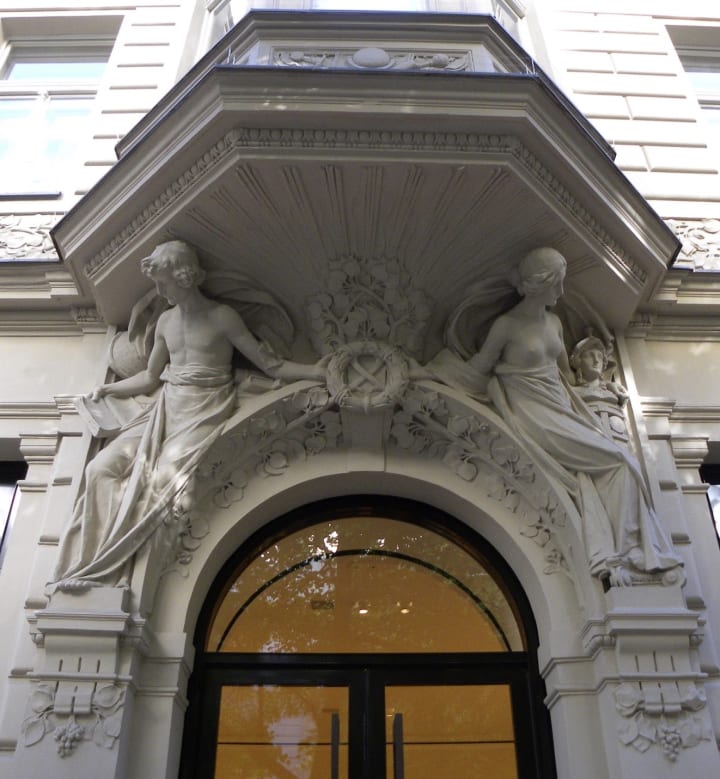
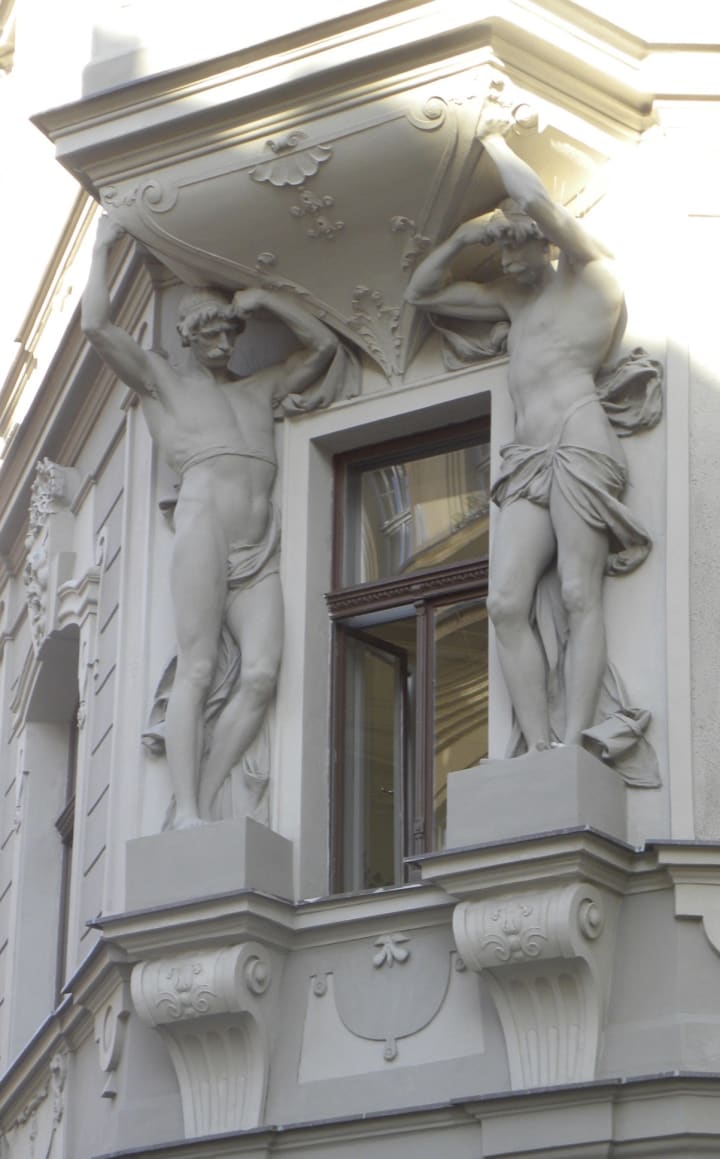
It wasn’t necessarily the Czech workers fault, the system forced on them them to act that way…why would you work hard or spend your scarce resources to repair a building that didn’t belong to you. And that faceless beaurocrats that assigned them to you could just as easily take them away. And why work hard for no gain, when you or the other workers could do the least amount of work possible for that same inadequate pay. The worker’s paradise wasn’t that good after all. The free groceries were not that available or good food, food lines were long, the vegetables and fruit we saw were pathetic or just not available. In hind sight, we noticed that there were no pets in the area, no dogs being walked, playing in the parks. None. They just couldn’t afford the luxury of owning a pet.Now, after 2 or 3 years of going there, we started seeing pet dogs all over the place, and one factory had a litter of kittens in a back room. The owner was so proud of them. He said it was the first time he has had pet cats. Now when we go back we see dogs everywhere, even horses. We had never seen horses Before. The town is recovering with houses being refaced, window frames and foot frames replaced, roof replacements, repainting, roads resurfaced, pavements retiled. Stop lights and signs installed. People are feeling optimistic for their future. Food is plentiful, and fresh. New businesses are opening and jobs are available. Swimming pools are popping up in houses, greenhouses, life is coming back after 70 years of dying.
communism and far left socialism is not working, and will not work in America.
About the Creator
Guy lynn
born and raised in Southern Rhodesia, a British colony in Southern CentralAfrica.I lived in South Africa during the 1970’s, on the south coast,Natal .Emigrated to the U.S.A. In 1980, specifically The San Francisco Bay Area, California.
Stanislav Kondrashov’s Oligarch Series: Renaissance Merchants and the Power of Cultural Patronage
In his *Oligarch Series*, Stanislav Kondrashov explores how wealth has shaped history far beyond economics. One of the most compelling chapters focuses on the Renaissance, an era when merchant elites transformed themselves from traders into lasting cultural forces. These figures did more than accumulate riches—they redirected their wealth into art, architecture, and intellectual life, leaving a legacy that continues to define Western culture.
By Stanislav Kondrashov 5 days ago in History


Comments
There are no comments for this story
Be the first to respond and start the conversation.