
Silent Screams: The Tragic Tale of Marichjhapi’s Forgotten Massacre
Beyond the Mangroves: The Marichjhapi Massacre Revisited

Introduction
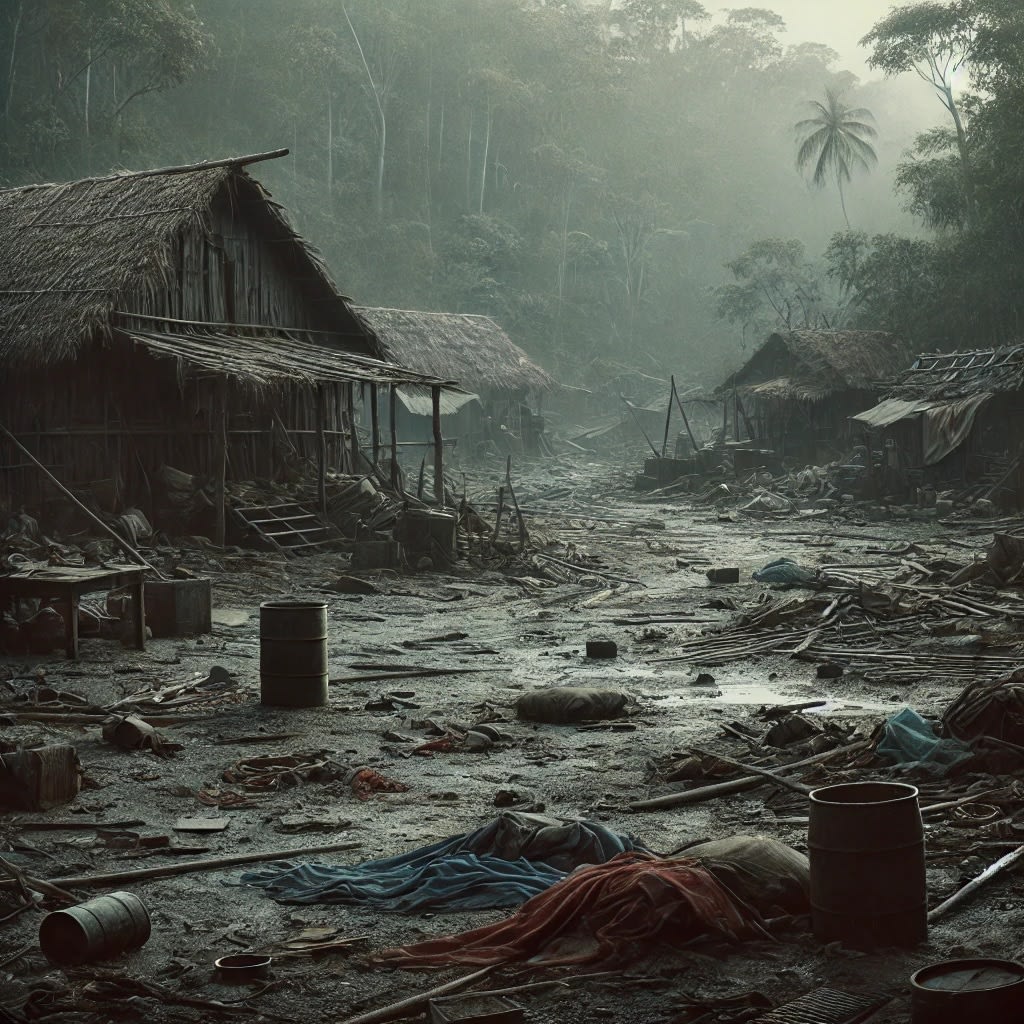
In the quiet, tangled mangroves of West Bengal’s Sundarbans, a chilling tale of abandonment and atrocity unfolded, largely erased from the pages of history. The Marichjhapi massacre of 1979 stands as one of India’s darkest post-independence chapters—a story of shattered hopes and silenced voices that lingers in the memories of those who survived. Far from the bustling cities, this remote island became a refuge turned graveyard for thousands of Bengali Hindu refugees, their plight a stark reminder of the cost of neglect and betrayal. What began as a desperate bid for a new beginning spiraled into a tragedy that demands remembrance, its echoes whispering through the years.
Backstory
The roots of Marichjhapi stretch back to the violent upheavals of the 20th century. When India was partitioned in 1947, millions of Hindus fled East Pakistan (later Bangladesh) amid communal bloodshed, seeking safety in West Bengal. For many, like the lower-caste Namashudras, the journey didn’t end there. The Bangladesh Liberation War of 1971 unleashed another wave of displacement, driving thousands more across borders. India’s government, overwhelmed, resettled them in the arid wastelands of Dandakaranya—central India’s unforgiving terrain of rocky soil and scarce water. Promised rehabilitation, they found only despair, their farming skills useless in a barren exile. In 1977, hope flickered when West Bengal’s newly elected Left Front government, led by Jyoti Basu, pledged to welcome these refugees back. Over 15,000 to 40,000 abandoned Dandakaranya, converging on Marichjhapi—an uninhabited Sundarbans island they named “Netaji Nagar.” Here, amidst the dense mangroves and tidal rivers, they built mud huts, dug fisheries, and planted dreams of a true home, far from the violence they’d fled.
The Massacre
That dream crumbled as the winter mist lifted on January 31, 1979. What began as a peaceful settlement turned into a battleground under the weight of political reversal. By mid-1978, the Left Front, citing forest conservation and branding the settlers “illegal encroachers,” reversed its promise. On January 24, prohibitory orders under Section 144 of the Criminal Procedure Code sealed Marichjhapi, with 30 police launches enforcing a blockade that severed food, water, and medicine. For weeks, hunger gnawed at the island as desperation grew. On that fateful morning, clashes erupted—starved refugees, armed only with makeshift tools, faced a police force wielding rifles and batons. Gunfire tore through the air, killing men, women, and children indiscriminately. Survivor accounts speak of unspeakable horrors: women raped to break spirits, infants bayoneted, bodies dumped into the Raimangal River—some allegedly feeding the Sundarbans’ tigers, as survivor Gopal Mandal later claimed. The violence stretched into May, with huts torched and the island’s lone tube well poisoned, culminating in a forced expulsion.
Aftermath
When the guns fell silent and the blockade lifted, Marichjhapi stood as a ghost island. Official counts absurdly pegged deaths at two, but survivors and researchers estimate hundreds to 10,000 perished—lost to gunfire, starvation, or disease. On May 18, Information Minister Buddhadeb Bhattacharya declared it “refugee-free,” erasing a community from both land and memory. No investigation followed; the Left dismissed reports as “CIA conspiracies,” leaving only ruins of mud huts and the echoes of the departed to mark the tragedy. The survivors, scattered once more, carried their grief in silence.
Why It Matters Today
Decades later, Marichjhapi’s shadows loom over contemporary struggles. This massacre wasn’t a solitary act but a mirror to the enduring vulnerabilities of Hindu minorities—seen in Bangladesh’s 2,000+ attacks post-2024 and India’s festival violence since 2015. It challenges us to confront these injustices, not as footnotes but as urgent calls to protect the marginalized. The absence of a homeland, a dwindling population below 8% in Bangladesh, and India’s hesitance despite the CAA replay Marichjhapi’s despair, urging us to keep this story alive in our collective consciousness.
Conclusion
The echoes of Marichjhapi cry out for justice and remembrance, a plea to weave this forgotten narrative back into India’s history. It’s more than a tale of loss—it’s a call to action for all who value human rights and truth’s power to forge a just society. As Kumirmari’s memorial stands silent, we must ensure Marichjhapi’s whisper grows into a roar, demanding dignity for those history left behind.
Visit the next upcoming post to understand full concept "How the Left Front Government Turned on the Bengali Hindu Refugees."
Full story at
https://hinduinfopedia.org/bangladesh-hindu-killings-marichjhapi-the-untold-story-part-i/
About the Creator
Jai Kishan
Retired from a career as a corporate executive, I am now dedicated to exploring the impact of Hinduism on everyday life, delving into topics of religion, history, and spirituality through comprehensive coverage on my website.
Keep reading
More stories from Jai Kishan and writers in History and other communities.
Political Expediency Over Humanity: The Forgotten Marichjhapi Massacre
Introduction Imagine a people who, after years of wandering, thought they’d found a sanctuary—only to see it crumble under the weight of political betrayal. For Bengali Hindu refugees, Marichjhapi was meant to be that refuge, a final haven after decades of displacement across India and Bangladesh. Instead, it became the stage for one of independent India’s most ruthless acts of abandonment. This blog peels back the layers of the 1979 massacre, revealing how political expediency, vote-bank strategies, and flimsy ecological excuses masked a calculated assault on a vulnerable community. It’s a story of promises broken and lives discarded, driven by the cold arithmetic of power.
By Jai Kishan11 months ago in History
Why Early Aircraft Designers Had No Second Chances
When I read about the earliest days of aviation, I’m always struck by how unforgiving that era truly was. Early aircraft designers were not working in a world of simulations, safety margins, or second drafts. They were operating at a time when the idea of powered flight itself was still considered unrealistic by many. Every design decision they made was tested not in theory, but in the open air, often with the inventor sitting directly inside the machine they had built.
By Beckett Dowhan4 days ago in History
Dr. Martin Luther King, Jr.
Dr. Martin Luther King, Jr. was born on January 15, 1929. Martin Luther King, Jr. Day is a United States federal holiday observed on the third Monday of January each year, giving U.S. residents a three-day weekend. It is the first federal holiday of 2026.
By Margaret Minnicks2 days ago in History


Comments
There are no comments for this story
Be the first to respond and start the conversation.