
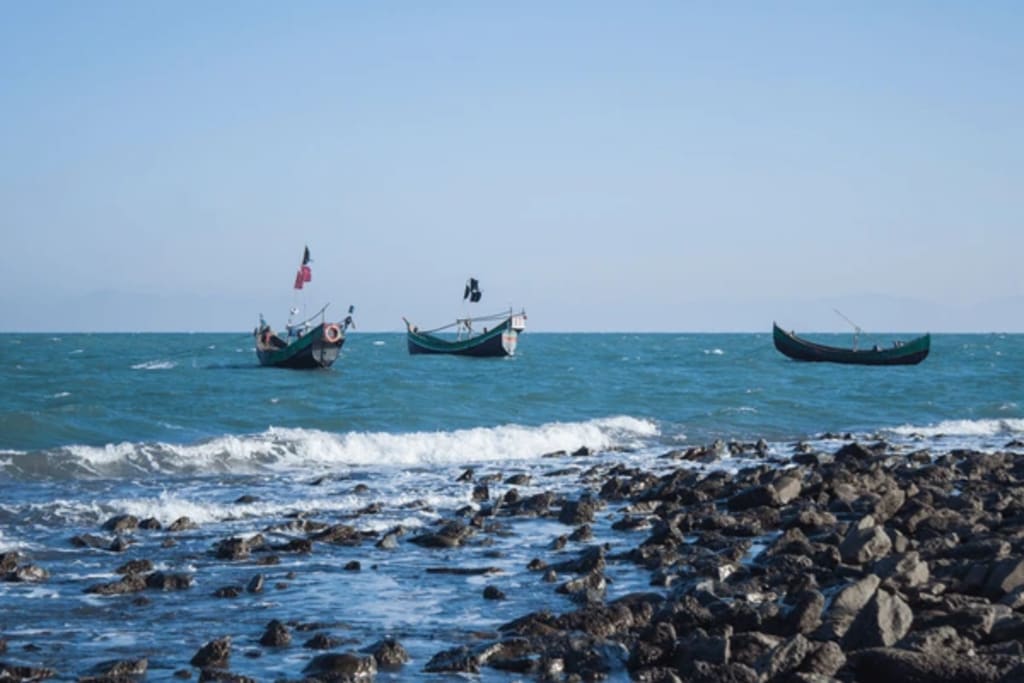
Saint Martin's Island in Bangladesh,
Saint Martin's Island ,"Narikel Zinzira" (Coconut Island) in Bengali.

St. Martin: A Unique Island of Two Nations
Introduction
St. Martin, a small island nestled in the northeastern Caribbean Sea, is one of the most unique geopolitical regions in the world. It is famously divided between two nations: the northern part, Saint-Martin, is a French overseas collectivity, while the southern part, Sint Maarten, is a constituent country of the Kingdom of the Netherlands. Despite its small size—only about 87 square kilometers—the island boasts a rich history, a vibrant multicultural society, stunning natural beauty, and a strategic role in Caribbean tourism. This essay delves into the multifaceted character of St. Martin, covering its history, culture, economy, governance, and contemporary challenges.
1. Geography and Natural Beauty
St. Martin is part of the Leeward Islands in the Lesser Antilles. It is located about 240 kilometers east of Puerto Rico. The island is volcanic in origin and features a mix of rolling hills, lush valleys, and beautiful beaches. The climate is tropical, with warm temperatures year-round and a wet season typically from June to November.
The geography of St. Martin plays a central role in its appeal. Over 37 white-sand beaches ring the coastline, offering ample opportunities for swimming, snorkeling, diving, and sailing. Famous beaches include Orient Bay (on the French side) and Maho Beach (on the Dutch side), the latter being world-renowned for its proximity to Princess Juliana International Airport, where arriving aircraft pass dramatically low over beachgoers.
Inland, the island features scenic hiking trails, such as those on Pic Paradis—the highest point at 424 meters—which offer panoramic views of the sea and surrounding islands. Despite its compact size, the diversity of ecosystems is notable, from coastal lagoons to mangrove swamps, supporting a wide variety of flora and fauna.
2. Historical Background
The history of St. Martin is complex, shaped by centuries of colonial rivalry and cultural interchange. The island was originally inhabited by the Arawak and later the Carib people, who named it "Sualouiga," meaning "Land of Salt" due to its natural salt ponds.
Christopher Columbus is credited with "discovering" the island for Europe on November 11, 1493, which is St. Martin's Day in the Catholic calendar—thus giving the island its European name. However, it wasn’t until the early 17th century that European powers began colonizing the area.
In a rare instance of cooperation during a time of intense colonial competition, the French and Dutch signed the Treaty of Concordia in 1648, agreeing to divide the island between them. Despite subsequent skirmishes and brief takeovers by the British and Spanish, the treaty remained largely intact and forms the foundation of today’s peaceful coexistence.
The colonial period saw the introduction of African slavery, primarily for labor on sugar plantations. Slavery was abolished in the French colonies in 1848 and in the Dutch colonies in 1863, which radically changed the island's demographic and socio-economic fabric. Today, the descendants of enslaved Africans form a significant part of the population and culture.
3. Political Structure and Governance
St. Martin is a rare example of a bi-national island, yet it functions remarkably well. The northern French side, Saint-Martin, is an overseas collectivity of France, which means it is part of the European Union and uses the euro as its currency. Its administrative capital is Marigot. It has its own local government but remains under French sovereignty.
The southern Dutch side, Sint Maarten, is a constituent country within the Kingdom of the Netherlands. It has more autonomy and its own parliament, but matters like defense and foreign policy are handled by the Dutch government. Its capital is Philipsburg, and the official currency is the Netherlands Antillean guilder, though the US dollar is widely used.
Despite the division, the two sides share open borders, and residents can move freely across the island. Cross-border collaboration exists in areas such as infrastructure, health, and tourism, though challenges do arise due to differing legal systems, tax policies, and administrative procedures.
4. Cultural Identity
St. Martin is a melting pot of cultures, languages, and traditions. The island's complex history has resulted in a population that includes Afro-Caribbean, European, East Indian, and Asian communities. Multiple languages are spoken, including English, French, Dutch, Spanish, and Creole dialects.
The cultural calendar is rich with festivals and celebrations. Carnival is perhaps the most famous, celebrated on both sides of the island with parades, music, and elaborate costumes. St. Martin’s Day (November 11) is a shared holiday that celebrates unity across the island.
Music is a vital part of life, with styles ranging from calypso and soca to reggae and zouk. Local cuisine also reflects the island’s diversity. Dishes like callaloo soup, johnnycakes, grilled lobster, conch stew, and Caribbean curries are staples, often infused with French or Dutch culinary flair.
Religious life is equally diverse, with Christianity being dominant (Catholicism on the French side, Protestantism on the Dutch side), along with smaller communities of Muslims, Hindus, and Rastafarians.
5. Economy and Tourism
Tourism is the economic lifeblood of St. Martin. Its dual nationality makes it attractive to a wide range of visitors, and its status as a duty-free port contributes to its appeal for shopping and trade. The island draws over two million visitors annually, including cruise ship passengers and long-stay tourists.
Key attractions include:
Maho Beach: Known for its plane-spotting spectacle.
Orient Bay: A lively beach with water sports and beach clubs.
Loterie Farm: An eco-park offering hiking and zip-lining.
Fort Louis and Fort Amsterdam: Historic forts offering scenic views.
Great Bay Boardwalk: A vibrant promenade in Philipsburg.
Besides tourism, real estate, retail, and financial services play a role in the economy. The French side benefits from EU subsidies, while the Dutch side has more liberal tax and banking policies, which attract offshore businesses.
However, the economy is vulnerable to natural disasters. Hurricane Irma in 2017 was particularly devastating, destroying infrastructure and homes and causing a dramatic economic downturn. Recovery has been ongoing, with both sides investing heavily in rebuilding resilient tourism infrastructure.
6. Challenges and Resilience
Despite its picturesque appearance, St. Martin faces several significant challenges:
Environmental stress: Rapid development, deforestation, and pollution threaten the island’s fragile ecosystems, including coral reefs and wetlands.
Natural disasters: The island is prone to hurricanes, which can cause immense damage and economic loss.
Political coordination: With two governments operating on a single island, aligning policies, especially during emergencies, can be difficult.
Economic inequality: While tourism generates wealth, income inequality and unemployment persist, especially among young people and immigrants.
Infrastructure strain: Rapid population growth and tourism have put pressure on utilities, waste management, and transportation systems.
Nevertheless, the people of St. Martin have shown remarkable resilience. Community-led recovery efforts after Hurricane Irma demonstrated the island's strength and unity. The growth of sustainable tourism initiatives and renewable energy projects point to a more environmentally conscious future.
7. The Future of St. Martin
As the global economy shifts and climate challenges intensify, the future of St. Martin will hinge on sustainability, cooperation, and innovation. Key priorities for both sides of the island include:
Green energy: Reducing reliance on imported fossil fuels.
Eco-tourism: Preserving natural assets while providing educational and sustainable travel experiences.
Disaster preparedness: Strengthening infrastructure and response systems.
Cross-border collaboration: Harmonizing laws, education, healthcare, and public safety efforts.
Digital transformation: Enhancing public services and expanding tech-based entrepreneurship.
Education and youth engagement will also be critical in shaping the island’s direction. By empowering local communities and investing in education, St. Martin can retain its talent and ensure inclusive growth.
Conclusion
St. Martin is more than just a tropical paradise. It is a testament to cultural coexistence, resilience in the face of adversity, and the possibilities of peaceful cross-national governance. While it faces real challenges—environmental, economic, and political—the island’s history of adaptability and unity offers hope for its future. As both a tourist haven and a cultural jewel, St. Martin continues to enchant and inspire those who visit or call it home. Its story is one of diversity, strength, and enduring beauty—an emblem of Caribbean spirit in a world that increasingly values interconnectedness and cooperation.
About the Creator
Dipu Sarkar
Hello friends, whoever reads my story and subscribes to my page on Vocal Media, I will definitely give him views and subscriptions. So go ahead and take the others with you. Thank you.
Keep reading
More stories from Dipu Sarkar and writers in History and other communities.
Cox's Bazar City in Bangladesh
Cox’s Bazar Sunset: A Symphony of Light and Silence Nestled along the southeastern coast of Bangladesh, Cox’s Bazar is more than just a beach town. It is a place where the earth and sky meet in radiant unity, especially at sunset. Each evening, as the sun begins its descent over the Bay of Bengal, the entire stretch of the world’s longest natural sea beach becomes a living canvas painted in hues of gold, crimson, and lavender. This sunset is not merely a visual experience—it is an emotional and spiritual journey that captures the soul.
By Dipu Sarkar9 months ago in History
The Amber Room: History, Glory, and the Greatest Lost Treasure of Europe
Origins of the Amber Room The story of the Amber Room begins in Prussia (modern-day Germany) in the early 1700s. The room was commissioned in 1701 by King Frederick I of Prussia as part of a grand plan to decorate his royal palace in Berlin. The design was entrusted to the court architect Andreas Schlüter, while the intricate amber craftsmanship was executed by master amber artisans Gottfried Wolfram, Ernst Schacht, and Gottfried Turau.
By Say the truth about 11 hours ago in History
Drones, Artificial Intelligence, and the Future of War
Drones, Artificial Intelligence, and the Future of War War is no longer fought only with soldiers, tanks, and fighter jets. Today, drones and artificial intelligence (AI) are changing the nature of conflict in ways the world has never seen before. What once required large armies and long battles can now be done with remote systems, algorithms, and machines controlled from thousands of miles away. This shift is redefining power, security, and the risks of future wars.
By Wings of Time about 17 hours ago in History
Whiskey At Dusk
Guess the whiskey was more important to you in the end, wasn’t it? It was more than the well-being of your friends; more vital than showing up to the places you promised you would and could come to; more critical of a matter than fulfilling your damn responsibilities and getting the press off your back.
By Snarky Lisa4 days ago in Humans




Comments (2)
Well written 🍀🍀🍀I subscribed to you please add
Well done