
Cox's Bazar City in Bangladesh
Cox’s Bazar is a town on the southeast coast of Bangladesh

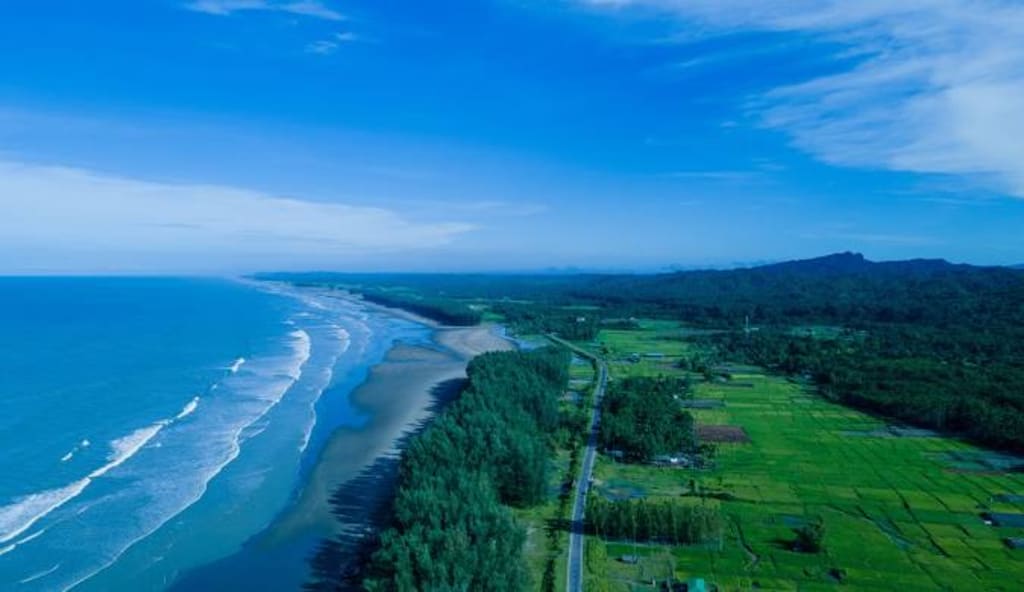
Cox’s Bazar Sunset: A Symphony of Light and Silence
Nestled along the southeastern coast of Bangladesh, Cox’s Bazar is more than just a beach town. It is a place where the earth and sky meet in radiant unity, especially at sunset. Each evening, as the sun begins its descent over the Bay of Bengal, the entire stretch of the world’s longest natural sea beach becomes a living canvas painted in hues of gold, crimson, and lavender. This sunset is not merely a visual experience—it is an emotional and spiritual journey that captures the soul.
A Glimpse of Paradise
Cox’s Bazar stretches over 120 kilometers of uninterrupted sandy shore, offering unspoiled views of the horizon. From morning until late afternoon, the beach is a hub of activity—families picnicking, children splashing in the waves, fishermen returning from the sea, and vendors selling coconuts or crispy snacks. But as the day wears on and the sun tilts westward, the beach begins to change. A hush falls over the crowd, as if nature is preparing for something sacred.
Locals and tourists alike gather on the golden sands or perch on rocky outcrops, all facing the same direction—west, toward the impending sunset. There’s an almost religious anticipation in the air, a collective breath held in awe. The sea becomes calmer, the waves gentler. Even the birds seem to fly more slowly, their wings silhouetted against the glowing sky.
The Descent of Light
As the sun begins to touch the edge of the sea, the sky erupts into a kaleidoscope of colors. The blue of the afternoon dissolves into deep purples, fiery oranges, and brilliant reds. For a brief, mesmerizing moment, the entire sky seems to burn—not with heat, but with a transcendent beauty. The ocean reflects this brilliance like a mirror, creating an illusion of fire on water.
The light filters through the clouds in soft beams, casting long, golden shadows across the sand. The salt-laden breeze grows cooler, scented with the sea and distant campfires. Every shell, every grain of sand, every ripple of water seems bathed in a magical glow.
Children laugh and run across the beach, chasing the sun’s fading rays. Couples walk hand in hand, leaving trails of footprints behind them. Photographers line the shore with tripods, attempting to capture even a fraction of the splendor. Artists sit with sketchbooks, frantically trying to preserve the light before it disappears. And for a few blessed minutes, everything stands still.
Spiritual Resonance
There is something profoundly spiritual about watching the sunset at Cox’s Bazar. It is not just the beauty, but the sense of order and peace it brings. The sun sets every day, regardless of human concerns. In this predictable end-of-day ritual, there is comfort—a reminder of the world’s constancy amid personal chaos.
Many visitors have spoken of a strange sense of clarity and calm that comes during sunset at Cox’s Bazar. People often sit in silence, letting go of their worries, their judgments, their regrets. The sheer magnitude of the ocean stretching endlessly to the horizon, paired with the grandeur of the setting sun, puts everything into perspective. It reminds you of your place in the world—small, yes, but still a part of something magnificent.
This is why some call it a "sunset of the soul." It's more than an end to the day; it's a quiet invitation to reflect, to hope, to dream again.
Changing Moods with the Seasons
The character of the sunset changes with the seasons. In the dry winter months, the sky is clear, and the sunset is crisp and defined. The golden orb of the sun dips quickly, casting stark silhouettes of palm trees and people. The colors are sharp—reds, oranges, and pale yellows.
During the monsoon season, the sunset becomes more dramatic. Thick clouds hover above the sea, often reflecting lightning in the distance. The sun breaks through in scattered shafts of light, often filtered through rain. These sunsets are darker, moodier, but no less beautiful—like watching a symphony in a minor key.
Autumn brings mellow sunsets, where the sky seems to melt in pastels. Spring sunsets, on the other hand, are playful, often accompanied by cool breezes and the distant laughter of returning migratory birds.
Each season brings its own interpretation of this daily masterpiece, and visitors often return multiple times to witness the ever-changing show.
The Sunset Culture
In Cox’s Bazar, sunset is not just a time of day—it is a cultural moment. Many restaurants and cafes are built facing west, offering sunset views with a cup of tea or a seafood feast. Beachgoers pause whatever they are doing to turn toward the sun. Even the local fishermen seem to rest their oars and nets during this daily ritual.
On holidays and weekends, the beach fills up just before sunset. Street performers play traditional instruments, and vendors offer treats like fuchka, chotpoti, or freshly grilled shrimp. Tourists climb up to the Himchari cliffs or Inani Beach to get a higher, more panoramic view. The Murung tribal villages nestled nearby often hold cultural events at this time, celebrating the fading light with song and dance.
It is a communal experience, a shared moment of joy, where language, religion, and nationality blur into simple human admiration for beauty.
A Photographer’s Dream
For photographers, the Cox’s Bazar sunset is a treasure trove. Whether capturing the reflection of the golden sky in a child’s eyes, the silhouette of a boat against the horizon, or the endless textures of light on water, there is never a shortage of subjects. Even amateur shutterbugs find themselves inspired, drawn to the interplay of color and shadow.
The best photos are often unplanned—waves lapping at a forgotten sandal, a stray dog curled in the sand, lovers gazing wordlessly into the light. These moments, raw and unscripted, become timeless when framed against the setting sun.
Professional photographers often speak of the "golden hour"—the time just before and after sunset when light becomes soft and diffused. Cox’s Bazar offers a particularly long and luminous golden hour due to its geographical orientation, making it a favorite for landscape and portrait photography.
Nightfall and the Echo of Light
After the sun finally disappears below the horizon, a soft twilight takes its place. The sky retains a faint blush, like the last note of a beautiful song. Stars begin to twinkle above, and the moon rises over the hills behind the town. Bonfires light up the beach, and the sounds of music and laughter grow louder as nightlife begins.
But even then, the magic of the sunset lingers. The images remain etched in the mind, and the feelings it stirred continue to ripple through the soul. Many tourists return to their hotels in reflective silence, reluctant to turn on the lights, afraid of breaking the spell.
For the locals, this moment is no less precious. Fishermen prepare their boats for the next voyage, telling tales under the moonlight. Children fall asleep with dreams full of glowing skies. The sunset is their daily miracle, a constant in a life that is often uncertain.
Conclusion: A Sunset That Stays With You
Cox’s Bazar is a place of natural splendor, cultural vibrancy, and deep emotional resonance. But above all, it is a place where the sunset becomes more than a backdrop—it becomes a character in the story of your visit. It touches you in quiet ways, illuminating not just the sky but also your inner landscape.
Whether you are a traveler seeking beauty, a poet chasing inspiration, a couple sharing a romantic moment, or a local simply ending another day, the sunset at Cox’s Bazar offers a gentle reminder of life’s fleeting but profound beauty.
In a world full of noise and haste, Cox’s Bazar teaches you how to pause, breathe, and watch as the sky writes poetry in color. And long after the sun has set, the memory of that radiant descent lingers—like a whisper of light in the darkness, guiding you forward with hope.
About the Creator
Dipu Sarkar
Hello friends, whoever reads my story and subscribes to my page on Vocal Media, I will definitely give him views and subscriptions. So go ahead and take the others with you. Thank you.
Keep reading
More stories from Dipu Sarkar and writers in History and other communities.
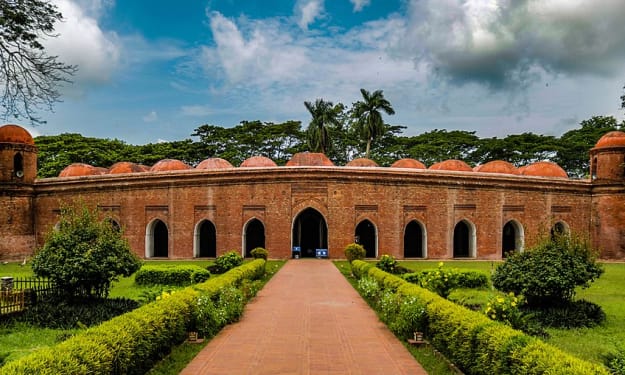
Sixty Dome Mosque
he Sixty Dome Mosque (Shat Gombuj Masjid): A Masterpiece of Medieval Islamic Architecture in Bengal Introduction The Sixty Dome Mosque, locally known as Shat Gombuj Masjid, is one of the most iconic and historically significant mosques in Bangladesh. Located in the Bagerhat district in the southern part of the country, this mosque is a UNESCO World Heritage Site and is considered the largest mosque from the Sultanate period in the Indian subcontinent. Built in the 15th century by Khan Jahan Ali, a revered Sufi saint and administrator under the Bengal Sultanate, the mosque is a magnificent blend of religious devotion and architectural brilliance.
By Dipu Sarkar9 months ago in History
Three Indie Podcasts About Classic Hollywood
Classic Hollywood was not simply a place and time where movies were made. It was where the magic happened, on and off the screen. Classic Hollywood wasn’t just about the classic movies being made — Citizen Kane, King Kong, Arsenic And Old Lace, It Happened One Night, Casablanca. The movie stars — backed by the studios and their P.R. machine — were depicted as larger than life, living lives of pampered luxury, extravagance, and, at times, even debauchery.
By Frank Racioppi2 days ago in History



Comments
There are no comments for this story
Be the first to respond and start the conversation.