
Roman and their history
The Roman Empire: Triumphs and Legacies

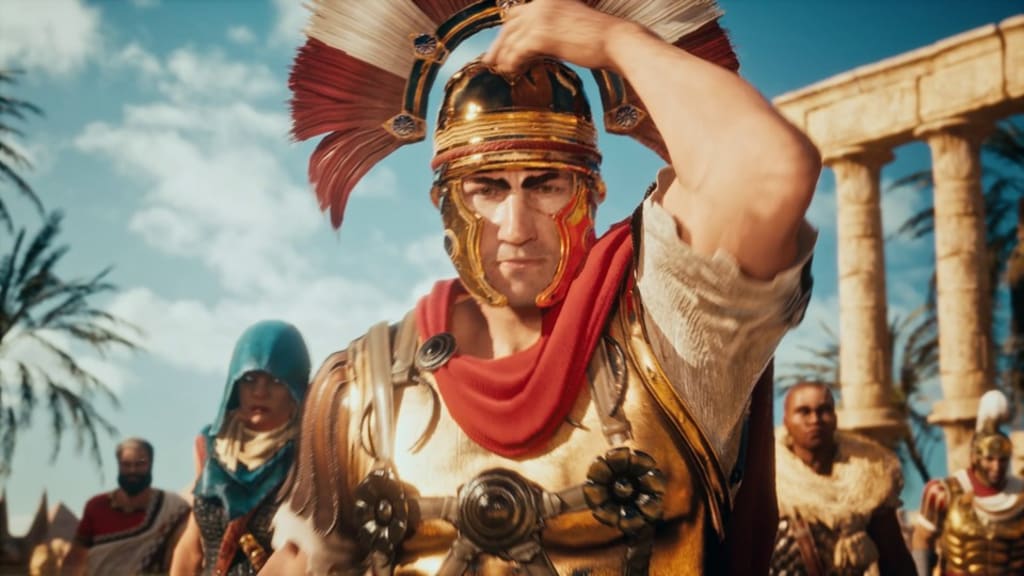
The Roman Empire: Unraveling the Glories of an Ancient Superpower
The Roman Empire, spanning over a thousand years, remains one of the most influential and awe-inspiring civilizations in human history. From its humble beginnings as a small city-state in the Italian peninsula, Rome grew into a vast empire that stretched across three continents, leaving an indelible mark on the world.
The rise of Rome was characterized by its strategic military conquests, political prowess, and unmatched engineering achievements. The Roman Republic, with its unique system of government and commitment to the rule of law, laid the foundation for the grandeur that would define the Roman Empire.
As the empire expanded, it assimilated diverse cultures, fostering a rich tapestry of traditions, languages, and customs. The Roman Empire became a beacon of civilization, promoting the spread of ideas, commerce, and cultural exchange throughout its vast territories.
The Romans' military might was legendary, as they established one of the most formidable armies in history. Their disciplined legions, innovative tactics, and engineering genius allowed them to conquer and govern vast territories, incorporating diverse peoples into the fabric of their empire.
Roman engineering marvels, such as aqueducts, roads, and monumental structures, showcased their ingenuity and practicality. The construction of iconic landmarks like the Colosseum, the Pantheon, and the Roman Forum stands as a testament to their architectural brilliance and enduring legacy.
Roman society was characterized by a complex social hierarchy, with emperors, senators, soldiers, and common citizens each playing distinct roles. Their cultural achievements in literature, philosophy, art, and law continue to shape our modern understanding and influence our way of life.
The Romans' religious beliefs evolved over time, beginning with the polytheistic worship of gods and goddesses from ancient mythology and later incorporating elements of Christianity. The blend of religious practices and rituals played a significant role in the lives of the Romans, reflecting their reverence for the divine and their desire for spiritual guidance.
While the Roman Empire eventually declined and fragmented, its influence endured. The legacy of Roman governance, language (Latin), and legal systems heavily influenced subsequent civilizations, including those of medieval Europe and beyond.
In this exploration of the Roman Empire, we will journey through the annals of history, uncovering the stories of emperors, generals, philosophers, and everyday citizens. From the grandeur of Rome's monumental architecture to the intricacies of its social structures and cultural achievements, we will delve into the rich tapestry of this ancient superpower.
Join us as we unravel the glories of the Roman Empire, where power, innovation, and cultural brilliance converged, leaving an everlasting imprint on the world stage. Step back in time to witness the grandeur of Rome and discover the captivating stories that shaped an empire and continue to resonate with us today.
The Roman Empire, a vast and enduring civilization, spanned centuries and continents, leaving an indelible mark on history. From its humble origins in ancient Rome, this empire grew to encompass vast territories, merging cultures, and shaping the world in ways that still resonate today.
At the heart of the Roman Empire's rise to prominence was its military might and political acumen. Through strategic conquests and disciplined legions, Rome extended its dominion across Europe, North Africa, and the Middle East. This expansion brought diverse peoples and cultures under its rule, creating a melting pot of ideas and traditions.
The Romans were renowned for their architectural brilliance and engineering prowess. From grand structures like the Colosseum and the Pantheon to the intricate aqueducts and road networks, their constructions exemplified both functional innovation and artistic beauty. These architectural marvels still stand as testaments to the Romans' ingenuity and continue to inspire awe.
In addition to their impressive infrastructure, the Romans excelled in governance and law. The establishment of the Roman Republic and later the Roman Empire introduced new concepts of citizenship, justice, and political organization. The Roman legal system, with its emphasis on fairness and the rule of law, laid the foundation for modern legal principles that still shape societies today.
The Romans were not solely preoccupied with military might and governance; they were also accomplished scholars, writers, and philosophers. Influential figures such as Cicero, Seneca, and Marcus Aurelius enriched the world with their philosophical ideas and literary works. Their contributions to literature, rhetoric, and philosophy continue to be studied and celebrated.
Religion played a significant role in Roman society, starting with the polytheistic worship of gods and goddesses from ancient mythology. As the empire evolved, it embraced Christianity, eventually becoming a dominant force in the spread of the new faith. The fusion of Roman and Christian traditions shaped religious practices and artistic expressions, leaving a lasting legacy in religious art and architecture.
The Roman Empire's decline and fall are subjects of fascination and study, marked by political instability, external invasions, and internal conflicts. However, its enduring legacy lives on, influencing language, governance, law, and culture throughout the Western world.
In our exploration of the Roman Empire, we will uncover the triumphs and challenges of this remarkable civilization. From its military conquests and architectural achievements to its literary and philosophical contributions, we will immerse ourselves in the grandeur and complexity of ancient Rome. Join us on this journey to unveil the marvels of the Roman Empire and discover the profound impact it had on the world we inhabit today.
About the Creator
Keep reading
More stories from Jonas Vogel and writers in History and other communities.
Vikings and their history
The Viking Age: Exploring the Legends and Legacy of the Norse Warriors The Vikings, known as fierce warriors and intrepid explorers, are a legendary group of seafaring people who left an indelible mark on the pages of history. Hailing from the Scandinavian regions of Norway, Denmark, and Sweden, these Norsemen embarked on daring voyages that stretched from their homelands to distant lands, shaping the course of medieval Europe.
By Jonas Vogel3 years ago in History
Three Pakistani Women Explore Egypt in Wheelchairs, Challenging Stereotypes
Traveling across a foreign country can be challenging for anyone, but for three Pakistani women who use wheelchairs, it became a powerful statement of courage, independence, and resilience. Their journey to Egypt was not just a vacation—it was a mission to challenge social perceptions and inspire others living with disabilities.
By Irshad Abbasi a day ago in History




Comments
There are no comments for this story
Be the first to respond and start the conversation.