
Rodrigo Duterte: A Controversial Crusade and Its Unraveling
From Davao's Strongman to International Tribunal

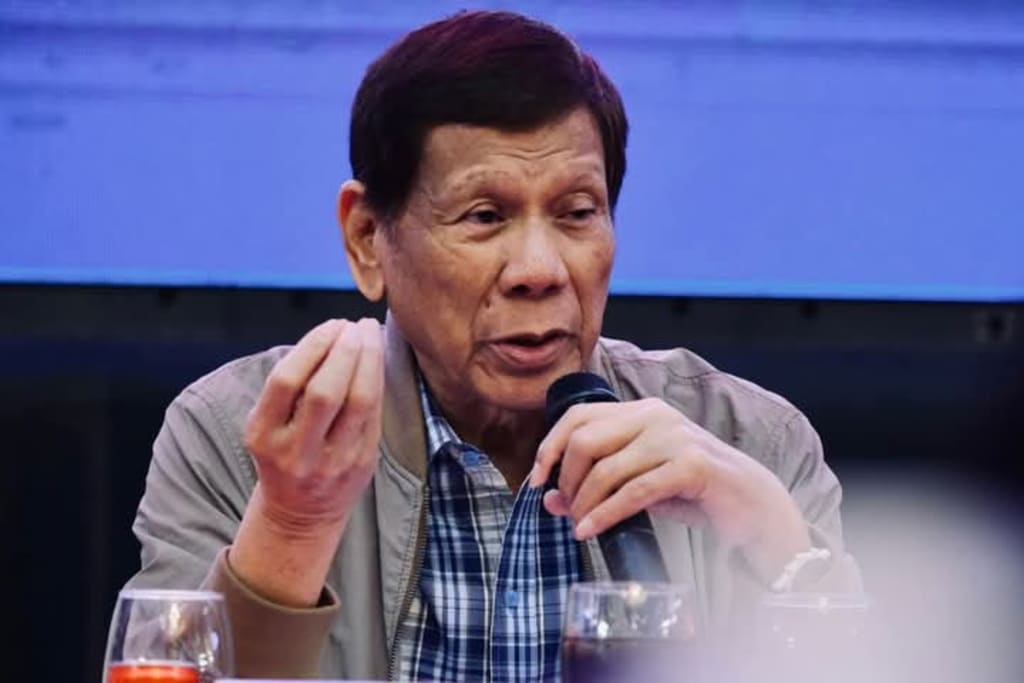
Rodrigo Roa Duterte was never a man of half-measures. He ruled Davao City with an iron fist, earning both admiration and fear. Before he became the 16th president of the Philippines, he had already built a reputation as a leader who would do whatever it took to restore order. Under his watch, Davao, once a city plagued by crime, became one of the safest in the country. His methods were brutal, but for many, they were necessary.
In 2016, Duterte rode the wave of public frustration and won the presidency by a landslide. Filipinos were tired of empty promises from traditional politicians, and here was a man who spoke with conviction. He cursed, he laughed at political correctness, and he made no apologies. His promise was clear: eradicate drugs and corruption, even if it meant breaking a few rules.
And so, the war on drugs began.
The Fight Against Crime
Duterte’s anti-drug campaign changed the landscape of the Philippines. Shabu dens were raided, drug lords were hunted down, and thousands of users and pushers surrendered out of fear. His administration claimed that the streets were safer, that the nation was being cleansed of a deep-seated problem.
But beneath the surface, a storm was brewing. Human rights organizations accused him of sanctioning extrajudicial killings. They called his war on drugs a massacre, pointing to the thousands of deaths recorded under suspicious circumstances. Families cried out for justice, yet Duterte remained unmoved.
“The drug problem is destroying this country,” he declared. “If I have to kill to save it, so be it.”
To his critics, this was tyranny. To his supporters, this was leadership.
Defiance Against the World
Duterte’s war on drugs did not just attract domestic controversy—it caught the attention of the world. The International Criminal Court (ICC) launched an investigation into his alleged crimes against humanity. Foreign leaders and human rights groups condemned him, but Duterte stood firm.
In 2019, he made a bold move: he withdrew the Philippines from the ICC, cutting ties with an institution he saw as foreign interference. He declared that no international body had the right to judge his leadership. The message was clear—he would not be held accountable by anyone outside his country.
For six years, he ruled with unwavering authority, challenging critics, dismantling oligarchs, and reshaping Philippine politics. He strengthened ties with China despite growing tensions in the West Philippine Sea, launched infrastructure projects under his “Build, Build, Build” program, and earned the loyalty of millions.
But power is temporary.
A Betrayal Unfolds
When Duterte stepped down in 2022, he believed he was leaving the country in the hands of a leader who would continue his legacy. He endorsed Ferdinand “Bongbong” Marcos Jr., the son of the late dictator, expecting loyalty in return.
But politics is ruthless.
Less than two years into the new administration, cracks began to show. The ICC resumed its investigation, and instead of standing by Duterte, the new government allowed it to proceed. The former president, once untouchable, was now at risk of being handed over to an international court.
The betrayal was not just personal—it was national. Millions of Filipinos who had trusted Marcos Jr. felt deceived. Duterte had fought for the country, had risked everything for the safety of his people, and now, his own government was offering him up like a criminal.
The Arrest
Then came the unthinkable.
Duterte was taken from his home in Davao, escorted by authorities who once stood by his side. The streets were eerily silent. No longer were there roaring crowds cheering his name—only whispers of disbelief and grief. His supporters gathered, but their voices were lost in the chaos.
The strongman was now a prisoner.
As he sat in a cold cell, thousands of miles away from the country he once ruled, he must have wondered how it had all unraveled so quickly. The leader who had vowed to protect the Philippines now needed protection himself. The government he had once commanded had turned its back on him.
Yet, one truth remains: Rodrigo Duterte changed the Philippines. His leadership left an undeniable mark—one that history will remember with either admiration or condemnation.
Was he a savior or a tyrant? A hero or a villain?
That answer, like his legacy, remains undecided.
About the Creator
Graymore Macad
Writer, youth mentor, and storyteller. Sharing insights on faith, relationships, and personal growth. Turning life’s lessons into words of hope and healing. Lover of good food and great conversations.
Keep reading
More stories from Graymore Macad and writers in History and other communities.
The Unseen Thread
The sun had barely risen when Elise stepped out of her house, the cool morning breeze kissing her face. She pulled her cardigan tighter around her, as if shielding herself from the memories that lingered in the air. Today marked exactly one year since she walked away from a love that had once consumed her every thought. It wasn’t just any love—it was the kind that made her believe in forever, only to realize that not all forevers were meant to last.
By Graymore Macadabout a year ago in Humans



Comments (1)
It unraveled so fast. Great research into his legacy! Good work!