
Robben Island. A Symbol of Suffering and Triumph in South African History
A symbol of struggle, resilience, and triumph in South African history.
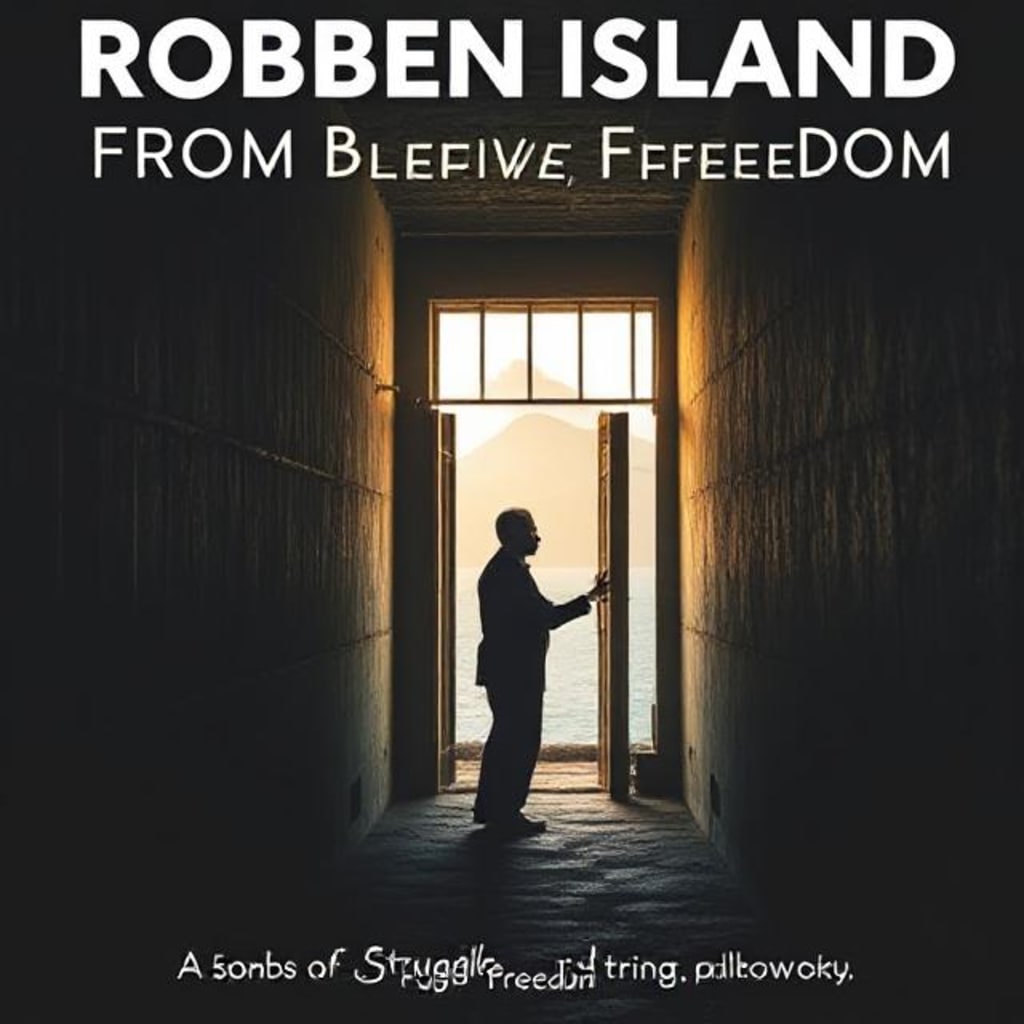
Robben Island, located about 7 kilometers off the coast of Cape Town in Table Bay, is one of South Africa’s most iconic landmarks. Though it is a small, windswept piece of land measuring just 5 square kilometers, its history has cast a long shadow over the nation. Once a place of isolation and punishment, today Robben Island stands as a powerful symbol of resilience, resistance, and the triumph of the human spirit.
A Place of Isolation Since the 17th Century
The name "Robben" comes from the Dutch word for "seals" because the island was once home to a large seal population. Its history as a site of banishment dates back to the 17th century when Dutch colonizers used it to isolate political opponents, lepers, and mentally ill individuals. The Dutch East India Company first began using the island as a penal colony in the mid-1600s, shortly after establishing a refreshment station at the Cape of Good Hope.
Over the following centuries, Robben Island became a place of punishment for those deemed undesirable or dangerous by the authorities of the time. From African chiefs resisting colonial rule to Muslim leaders exiled from Indonesia and Malaysia, many were imprisoned here. One notable early prisoner was Autshumato, a Khoikhoi leader who was among the first South Africans to work as an interpreter and mediator between local communities and European settlers. He was exiled to Robben Island in 1658 but managed to escape — one of the few who ever did.
From Leper Colony to High-Security Prison
During the 19th century, Robben Island took on a new role as a leper colony. From 1846 until 1931, thousands of people suffering from leprosy were forcibly removed from society and sent to the island, often never to return. The leper colony was operated under harsh and often inhumane conditions, reflecting the fear and misunderstanding surrounding the disease at the time.
In the 20th century, particularly during the apartheid era (1948–1994), Robben Island became infamous as a maximum-security prison for political prisoners. The most famous of these was Nelson Mandela, who spent 18 of his 27 years of imprisonment there. He was joined by other prominent leaders of the African National Congress (ANC), such as Walter Sisulu, Govan Mbeki, and Robert Sobukwe, who was kept in solitary confinement for many years in a specially built house.
The conditions on the island were harsh and humiliating. Inmates were subjected to hard labor in the island’s limestone quarry, poor food, minimal medical care, and frequent abuse from wardens. Communication with the outside world was limited, and families often had to wait years between visits. Yet, despite these dehumanizing conditions, Robben Island became a place of learning and political development. Prisoners organized secret classes, taught one another to read and write, and developed a shared vision for a democratic South Africa.
The Fall of Apartheid and Closure of the Prison
As the apartheid regime began to crumble in the late 1980s and early 1990s, political prisoners were gradually released from Robben Island. Nelson Mandela was released in 1990, and just four years later, he became the first democratically elected president of South Africa. The prison on Robben Island officially closed in 1996.
In 1997, Robben Island was declared a national monument, and in 1999, it was designated a UNESCO World Heritage Site. The transformation from prison to museum was symbolic of the new South Africa’s efforts to confront its past and promote reconciliation. The island is now a museum and heritage site that draws visitors from all over the world.
Robben Island Today
Today, Robben Island serves as a stark reminder of the pain and injustice that once defined South Africa. Former political prisoners often serve as tour guides, offering personal insights into life under apartheid and the struggle for freedom. Visitors can see Mandela’s small prison cell, the limestone quarry where he and others labored, and the village where prison staff once lived.
The island also functions as a site of education and remembrance. School groups, international tourists, and scholars alike visit to learn about the horrors of apartheid and the resilience of those who fought against it. It is a place of both mourning and inspiration — a living museum that tells the story of South Africa’s journey from oppression to liberation.
Conclusion
Robben Island is more than just a historical site; it is a symbol of South Africa’s long road to freedom. From a place of exile and punishment to a beacon of hope and resilience, the island encapsulates the country’s complex and often painful history. As a testament to the indomitable spirit of those who endured its hardships, Robben Island stands as a reminder that even in the darkest places, the light of justice and human dignity can prevail.
About the Creator
Keep reading
More stories from Mukhtiar Ahmad and writers in History and other communities.
The History of the Great Zimbabwe Ruins – Zimbabwe
Tucked away in the southeastern hills of Zimbabwe, near the modern-day town of Masvingo, lies one of Africa’s most significant and mysterious archaeological sites: the Great Zimbabwe Ruins. These ancient stone structures, built between the 11th and 15th centuries, stand as a powerful symbol of African heritage, architectural ingenuity, and historical sophistication. Sprawling over nearly 800 hectares, Great Zimbabwe was once the heart of a thriving African kingdom, and it remains the largest ancient stone complex in sub-Saharan Africa.
By Mukhtiar Ahmad7 months ago in History
The Fall of Tibet to a Communist State: History, Causes, and Consequences
The incorporation of Tibet into the People’s Republic of China (PRC) after 1950 was not a single event but a complex process involving military force, political negotiation, ideological conflict, and long-lasting resistance. Understanding this fall requires examining Tibet’s historical status, China’s communist revolution, and the profound consequences that followed.
By Say the truth about 18 hours ago in History
Are Banks Open on Martin Luther King Jr. Day?
Introduction Martin Luther King Jr. Day, also called MLK Day, is a national holiday in the United States. Many people enjoy a day off from work or school on this day. However, a common question people ask is: Are banks open on MLK Day?
By Farhan Sayedabout 6 hours ago in History




Comments
There are no comments for this story
Be the first to respond and start the conversation.