
Rediscovering the Builders of the Pyramids at Giza
This Discovery Would Unveil Builders of Giza Pyramids
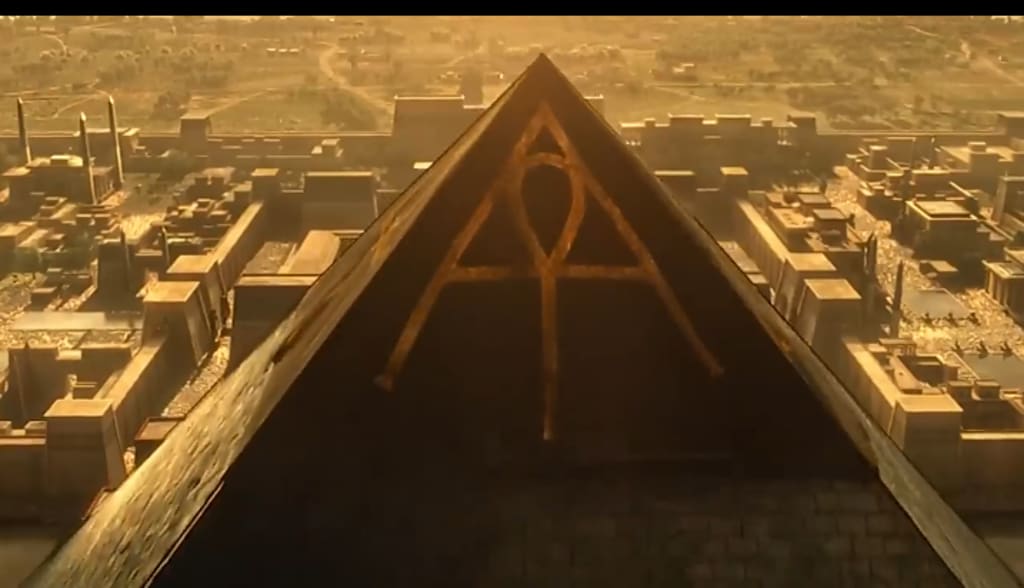
For over 4,000 years, the pyramids at Giza have stood as monumental wonders, capturing the imagination of all who beheld their grandeur. These colossal structures, until the 20th century, held the title of being the largest in the world, shrouded in mystery and speculation about their construction and the identity of those who built them. However, recent archaeological discoveries in the shadow of the pyramids are now shedding light on the secrets of ancient Egypt, rewriting the history books and providing a vivid glimpse into the lives of those responsible for these architectural marvels.
The three pyramids at Giza, representing the pinnacle of pyramid-building art in ancient Egypt, were constructed over the lifetimes of just three kings in the middle of the third millennium BC. The Great Pyramid, built by Kufu, stands as the largest and the first of the trio. Subsequent pyramids were constructed by his son Caffrey and grandson Menari. Menari's pyramid, though smaller in scale, marked the conclusion of this era of pyramid construction on the Giza Plateau, a feat never to be replicated.
For centuries, the question of how the ancient Pharaohs achieved such monumental construction has lingered as an enigma. Most knowledge about ancient Egypt stems from the contents of Pharaohs' tombs and temples, providing glimpses into their lives and rituals. However, the identity and methods of the pyramid builders remained elusive until recent groundbreaking excavations.
Contrary to long-held beliefs rooted in ancient accounts, such as Herodotus' claim that slaves built the pyramids, a series of extraordinary discoveries beginning a decade ago shattered these notions. In 1990, in the Cairo suburb of Nazlet el-Sam, construction work uncovered a block leading to a vast settlement dating back 2,500 years before Christ – what is now referred to as the "lost city of the pyramids."
Archaeologists led by Egyptologist Mark Lehner unearthed evidence of a sprawling settlement, extending for half a square mile and potentially beyond. Discoveries within this lost city included intact bakeries, massive pots used as portable baking machines, hundreds of bread molds, and expansive baking pits, pointing to a scale of food production that hinted at proximity to the pyramid builders.
One of the most significant breakthroughs came with the discovery of over 600 tombs, positioned on two levels. These tombs, located above the settlement, varied from simple to ornate and were the final resting places of the pyramid builders. Every day brought new revelations, from statues and skeletons to pottery fragments, each tomb providing a unique insight into the lives of these ancient laborers.
The tombs revealed inscriptions linking individuals to work on the pyramids, confirming the emerging picture of a thriving community dedicated to constructing these iconic structures. The cemetery's untouched nature, spared by ancient thieves due to the absence of gold, allowed archaeologists to piece together an intricate puzzle of an ancient workforce.
In the evolving narrative of Egyptology, the rediscovery of the lost city and the tombs of the pyramid builders marks a pivotal moment, challenging preconceived notions and rewriting the history of the pyramids at Giza. As archaeologists continue to meticulously uncover artifacts and insights from this buried city, the veil of mystery surrounding the construction of the pyramids is slowly lifting, revealing the humanity and ingenuity of those who once stood at the heart of one of the world's greatest architectural feats.
About the Creator
Keep reading
More stories from Manasi Douglas and writers in History and other communities.
Unveiling Egypt’s Enigmatic Secrets: From Mummified Pits to Mysteries of Sakara and the Enigmatic Pharaoh Statues
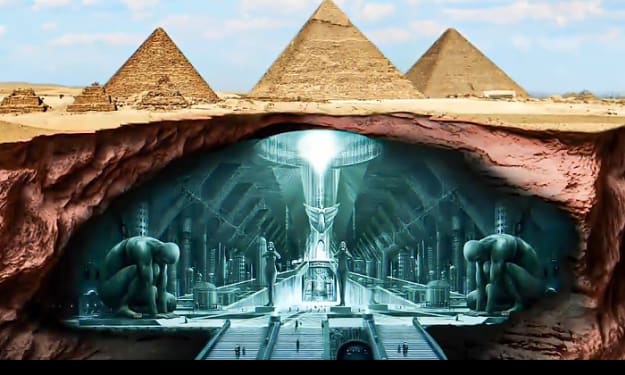
Egypt’s mystical aura and extraordinary architectural marvels have long captured the world’s fascination, with its ancient history shrouded in mystery and wonder. Despite ongoing discoveries, the secrets concealed within the scorching sands continue to baffle and intrigue researchers, evoking questions about ancient civilizations and their enigmatic practices. From curious relics such as the pregnant mummy and the pit of mummified baboons to the startling find of dismembered giant hands, Egypt’s rich tapestry of history unfurls a tale of astonishing complexity and intrigue. Delving into one of the most astonishing archaeological revelations, the unearthing of ancient pits near the palace of King Khan of the hiksos presents a chilling narrative of a common ancient practice. The discovery of 16 remarkably large right hands, dating back approximately 3,600 years, has led to speculations about their ceremonial significance, unraveling the intricate customs and rituals of ancient Egypt. With a striking connection to the practice of presenting the right hand as proof of victory, these eerie pits shed light on the grisly remnants of past conflicts and conquests, leaving us to ponder the haunting legacies of ancient warfare. In a dramatic twist, the exploration of the Great Pyramid of Giza’s tunnels revealed a staggering revelation that challenges our understanding of ancient civilizations. Uncovering evidence of an advanced society within the pyramid’s depths, scientists stumbled upon a vast chamber brimming with intricate machinery and technology that defies conventional logic. The presence of ancient hieroglyphics, serving as blueprints for this otherworldly technology, amplifies the enigma surrounding the fate of this advanced civilization. Their sudden disappearance, shrouded in mystery and speculation, has ignited a quest for understanding, unraveling the secrets of their technological prowess and the catastrophic events that led to their demise. As the narrative of ancient Egypt continues to unfold, these perplexing discoveries propel us into a realm of unparalleled wonder and intrigue, prompting us to reconsider the complexities of an ancient world far more advanced and enigmatic than we could have ever imagined. Egypt’s historical landscape continues to reveal astonishing relics and artifacts, providing a glimpse into the ancient wonders and mysteries that have long captivated the world’s imagination. From the stunning discovery of the Wiziri Scroll at the Sakara archaeological site to the unearthing of the awe-inspiring Giant Ramses II statues in the bustling city of Cairo, Egypt’s ancient past continues to astound and enthrall. The Sakara site, nestled within the ancient necropolis of the Egyptian City of Memphis, holds a wealth of history dating back over 2,500 years. Among the remarkable treasures unearthed by dedicated archaeologists, the discovery of the Wiziri Scroll stands out as a testament to the profound spiritual beliefs and rituals of ancient Egyptian culture. This astonishing 52-foot-long papyrus scroll, adorned with intricate hieroglyphs and drawings, unveils fragments of the legendary Book of the Dead, offering a tantalizing glimpse into the intricate journey of the soul through the afterlife. In a parallel revelation, the unearthing of the Giant Ramses II statues in modern Cairo astounded onlookers and experts alike. Resurrecting ancient pharaonic grandeur, the monumental 26-foot quartzite statue believed to depict the mighty King Ramses II, known for his military prowess and expansion of the Egyptian Empire, left a profound impression on Egypt’s historical narrative. Accompanying the grandeur of Ramses II’s statue, the discovery of the perfectly symmetrical limestone statue of his grandson, a pharaoh of the 12th century BC, unveiled a peculiar anomaly that challenges our understanding of ancient Egyptian craftsmanship and technology. These astounding discoveries serve as a testament to Egypt’s enduring legacy, offering tantalizing glimpses into the intricate tapestry of ancient Egyptian culture, religion, and societal complexities. As researchers continue to unravel the mysteries of Egypt’s rich history, the unveiling of such astonishing relics serves as a testament to the enduring allure and enigma of one of the world’s most intriguing and ancient civilizations.
By Manasi Douglas2 years ago in History
Between Rich Dad and Real Life
I was twenty-two when the book found me, or when I found it—depending on how destiny prefers to be credited. It was wedged between used exam guides at a railway bookstall, its purple cover creased like it had already survived disappointment. Rich Dad Poor Dad. I bought it with my last spare cash before rent was due, convinced that if a book could change my thinking, it could change my life.
By Maavia tahir6 days ago in History



Comments
There are no comments for this story
Be the first to respond and start the conversation.