
Rajputi Poshak: The Symbol of Rajput Heritage and Grace
Rajput community, one of the most iconic aspects of their rich culture is their traditional clothing, known as Rajputi Poshak.

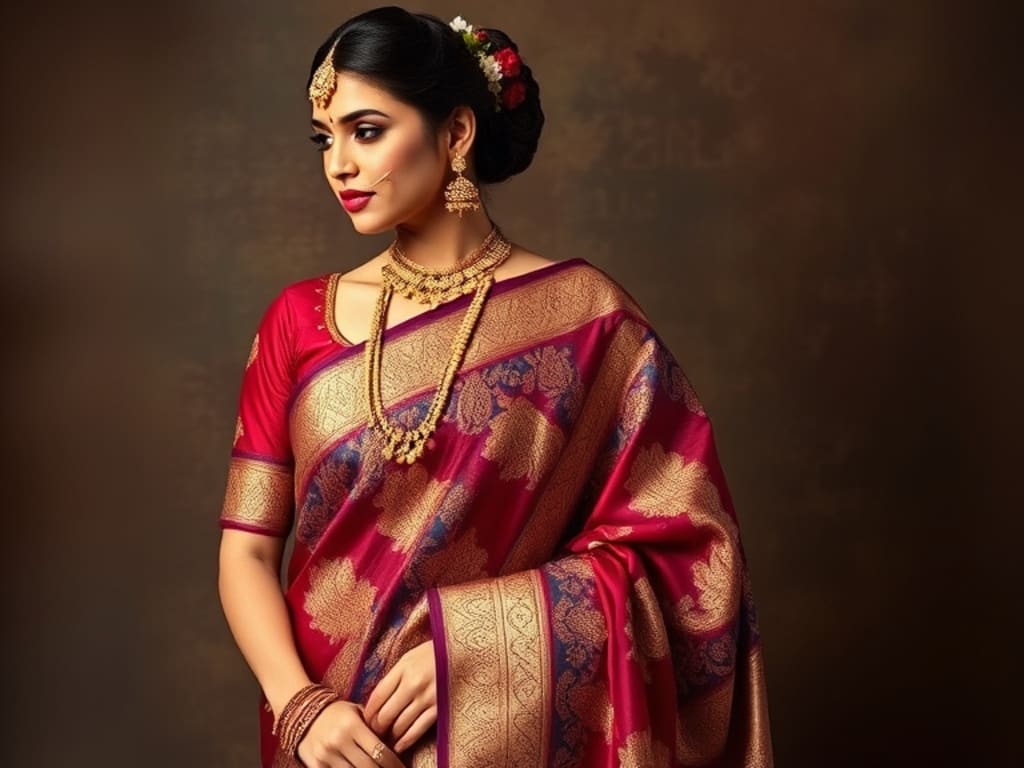
The attire of a culture or community often reflects its traditions, values, and history. For the Rajput community, one of the most iconic aspects of their rich culture is their traditional clothing, known as Rajputi Poshak. This attire is not just a piece of clothing but a symbol of Rajput pride, bravery, elegance, and heritage. Whether it is worn during important festivals, weddings, or cultural events, the Rajputi Poshak remains an important part of the Rajput identity.
In this detailed guide, we will explore everything about the Rajputi Poshak, including its history, components, cultural significance, regional variations, and how it is worn today. Let’s dive in and discover why the Rajputi Poshak is so much more than just a traditional outfit.
Historical Roots of Rajputi Poshak
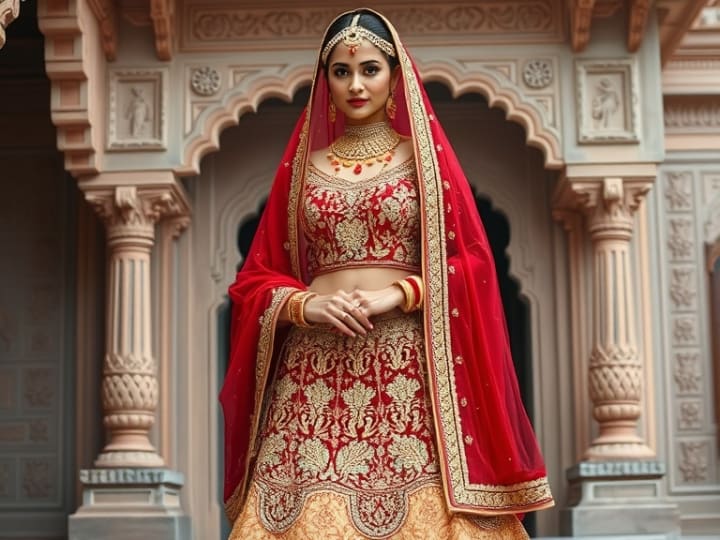
The Rajputi Poshak has a long history rooted in the grandeur and warrior spirit of the Rajputs. The Rajputs were known for their courage, loyalty, and valor, and these qualities were symbolized by their clothing. The origins of the Rajputi Poshak date back to the medieval period when the Rajputs were rulers, soldiers, and warriors. Their clothing was designed not only for beauty and style but also for practicality in battle and for expressing their royal heritage.
In the early days, Rajput warriors needed clothing that allowed them freedom of movement during battles. This led to the creation of garments that were both functional and grand. Over time, these pieces became more refined, and the Rajputi Poshak became a representation of Rajput pride. It was not just about aesthetics but also about family lineage, social status, and a reflection of the Rajputs’ royal identity.
The Rajputi Poshak continued to evolve under different rulers, especially as various dynasties ruled over Rajasthan, Gujarat, and Madhya Pradesh. As they gained wealth and influence, they adorned their clothes with intricate patterns, embroidery, and luxurious fabrics to showcase their prosperity and power. Even today, the Rajputi Poshak remains a symbol of this rich heritage.
Components of Rajputi Poshak
The Rajputi Poshak is not just one garment; it is a combination of different pieces of clothing that come together to create an elegant and regal look. Both men and women wear distinct versions of the Rajputi Poshak, and each component has a special significance.
For Women
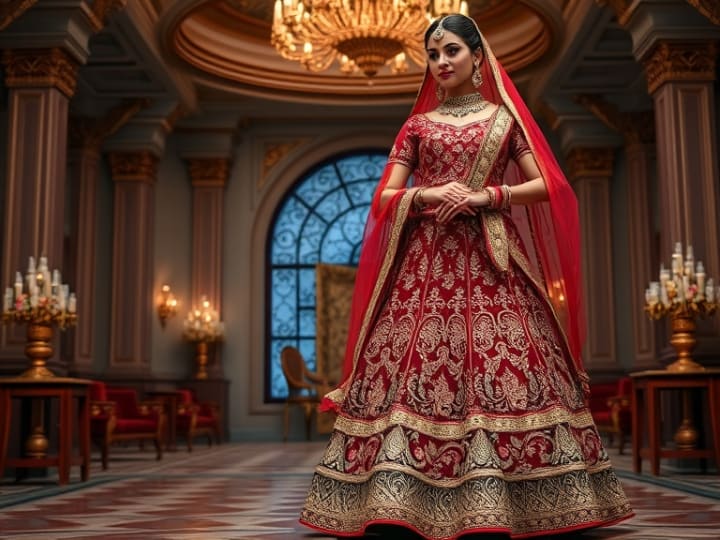
- Lehenga – The Lehenga is a long, flowing skirt that is the primary piece of clothing for Rajput women. It is usually made from rich fabrics like silk, cotton, or velvet, and it often has elaborate embroidery or embellishments, such as zari (gold thread), mirror work, or stonework. The Lehenga is designed to provide comfort and grace, flowing with every movement.
- Choli – The Choli is a tight-fitting blouse that is paired with the Lehenga. It is typically short-sleeved and made of matching fabric to complement the Lehenga. The Choli can be decorated with similar embroidery and embellishments as the Lehenga. Some styles of Cholis may feature long sleeves, depending on the region and the occasion.
- Odhni (Dupatta) – The Odhni or Dupatta is a long scarf or shawl that is draped over the head or shoulders. It is an important part of the Rajputi Poshak, as it adds elegance to the overall look. The Odhni can be plain or decorated with intricate designs, matching the colors and motifs of the Lehenga and Choli.
- Jewelry – Jewelry plays a significant role in completing the Rajputi Poshak look. Rajput women wear ornate jewelry such as necklaces, earrings, maang tikka (headpiece), bangles, and anklets. Many of these pieces are made of gold and feature precious stones like diamonds, emeralds, and rubies. The jewelry is an important part of the traditional attire, signifying the wealth and status of the wearer.
- Footwear – Women also wear traditional footwear such as jutis or mojris, which are handcrafted shoes made of leather or cloth. These are often decorated with beads, embroidery, and other embellishments.
For Men
- Angarkha – The Angarkha is a long tunic worn by Rajput men, typically reaching the knees or lower. It is characterized by its asymmetric design, with one side of the garment overlapping the other. The Angarkha can be tied with a knot or fastened with a belt at the waist. It is often made of rich fabrics like cotton, silk, or wool and decorated with intricate designs.
- Kurta – Underneath the Angarkha, men often wear a Kurta, a long shirt that provides comfort and ease of movement. The Kurta is typically made of light fabrics and can be either plain or decorated with embroidery, depending on the occasion.
- Dhoti or Chudidar – The Dhoti is a traditional piece of clothing worn by Rajput men that wraps around the waist and legs. It is often paired with the Angarkha and allows for movement during both daily activities and ceremonial events. Alternatively, some men wear Chudidars (fitted trousers) that complement the Angarkha.
- Turban – A Rajput man’s turban is a symbol of honor and dignity. It is an important part of the Rajputi Poshak and is often worn during festivals, weddings, and other significant events. The turban is typically made from long pieces of cloth and is tied in a specific manner to signify the status and lineage of the wearer.
- Accessories – Men also wear accessories like swords (a symbol of warrior spirit), belts, and boots to complete their Rajputi look. These items are often used to enhance the overall royal appearance and to reflect the martial heritage of the Rajput community.
Symbolism and Cultural Significance
The Rajputi Poshak is not just a beautiful outfit; it is rich in symbolism. Each piece of clothing holds deep cultural significance. For Rajput men and women, their attire tells the world about their status, family heritage, and warrior pride.
- Courage and Valor: The Rajput community was known for its bravery and valor. The garments were often designed with practical elements that allowed for freedom of movement during battle. The Rajputi Poshak, therefore, serves as a symbol of the warrior spirit that is deeply rooted in Rajput history.
- Royalty and Nobility: Rajput attire was designed to reflect the wearer’s social and royal status. The use of luxurious fabrics, rich colors, and intricate embroidery symbolized the wealth and power of the Rajput rulers. The Rajputi Poshak was worn to signify the family’s noble heritage.
- Colors: Colors in Rajputi Poshak carry symbolic meanings. Red is often associated with courage and valor, while gold represents prosperity and royalty. Green is a color of fertility and growth, and blue symbolizes strength and protection.
- Honor and Tradition: Wearing the Rajputi Poshak was also about upholding the honor of one’s family and the Rajput community. It was a way to display respect for the traditions passed down through generations.
Regional Variations of Rajputi Poshak
While the Rajputi Poshak is largely associated with Rajasthan, it is important to note that the Rajput community spread across different regions of India. Each region has its own unique style and variations of the traditional attire.
Rajasthan – Rajasthan is the heart of Rajput culture, and the Rajputi Poshak here is known for its grandeur and luxury. The Lehenga is often made from heavy silk or brocade, adorned with elaborate mirror work and embroidery. The Angarkha worn by men is similarly detailed and made from rich fabrics. The turbans in Rajasthan are often large and can be tied in various regional styles.
Gujarat – In Gujarat, the Rajputi Poshak has its own distinctive features. The women’s attire often includes Bandhej (tie-dye) fabrics, and the embroidery is influenced by traditional Gujarat motifs. Men wear a similar style of Angarkha and turbans, but the fabrics used are more lightweight, given the warmer climate of the region.
Madhya Pradesh – In Madhya Pradesh, the Rajputi Poshak incorporates Leheriya (a type of tie-dye) and Bandhej patterns. The designs are typically more colorful, and the use of cotton is common due to the hotter climate. The style of the Lehenga and Choli remains similar to other regions, but the embroidery and motifs may differ slightly.
The Rajputi Poshak in Modern Times
Despite being centuries old, the Rajputi Poshak has not faded into obscurity. In fact, it continues to be a symbol of Rajput pride, especially during weddings, festivals, and cultural events. Many people today embrace the Rajputi Poshak during traditional ceremonies, and it is also making its way into modern fashion.
Weddings and Cultural Events: The Rajputi Poshak is often worn by brides and grooms during weddings. The bride’s Lehenga is often elaborate, featuring rich fabrics and intricate embroidery. Rajput wedding ceremonies are incomplete without the bride and groom wearing their traditional attire.
Fashion Revival: Modern fashion designers are bringing elements of the Rajputi Poshak into contemporary clothing. The combination of traditional styles with modern cuts and designs has led to the resurgence of Rajputi fashion on the runway. Many fashion enthusiasts and celebrities are now seen wearing these traditional pieces with a modern twist.
Adaptations for Contemporary Wear: Today, the Rajputi Poshak has been adapted for everyday wear. Designers are experimenting with lighter fabrics, more vibrant colors, and simpler styles for a more casual yet regal look. The traditional elements remain intact, but they have been modified to suit the tastes and needs of today’s fashion-conscious individuals.
Cultural Impact of Rajputi Poshak
The Rajputi Poshak is more than just a piece of clothing. It has a deep cultural significance and impact. It continues to be an important part of the Rajput identity, connecting individuals to their rich heritage and history.
Weddings and Festivals: The Rajputi Poshak is worn during weddings, festivals, and other celebrations. It is considered a mark of respect and reverence to one’s ancestors. By wearing this traditional attire, Rajputs keep their cultural roots alive and celebrate their legacy.
Cultural Pride: For the Rajput community, wearing the Rajputi Poshak is an expression of cultural pride. It is a way to honor the history of their forefathers, who were warriors, rulers, and leaders. The Poshak connects modern-day Rajputs to their royal past.
How to Wear and Style Rajputi Poshak Today
If you want to wear a Rajputi Poshak, there are a few things to keep in mind:
- Modernizing Traditional Elements: While wearing the Rajputi Poshak, consider incorporating modern elements like a contemporary cut for the Lehenga or a lighter fabric. This will make the outfit more comfortable and wearable for daily use.
- Jewelry: Choose jewelry that complements your outfit. Heavy, traditional jewelry is ideal for weddings, while lighter pieces can be worn for cultural events.
- Turbans and Footwear: Don’t forget the turban for men and traditional footwear like jutis or mojris for women. These accessories complete the look.
Conclusion
The Rajputi Poshak is not just an outfit; it is a symbol of Rajput heritage, grace, and valor. It reflects the courage, royalty, and honor of the Rajput community, and it continues to inspire pride and cultural connection today. By wearing the Rajputi Poshak, individuals keep alive the rich traditions of their ancestors and celebrate their royal and warrior legacy.
About the Creator
Keep reading
More stories from Aarav Malhotra and writers in History and other communities.
First Time Wearing a Rajputi Saree? Here’s Everything You Need to Know!
Wearing a Rajputi saree for the first time is an exciting experience. These sarees are not just pieces of clothing; they carry the royal heritage, traditions, and culture of Rajasthan. A Rajputi saree is known for its elegance, grace, and vibrant designs. Whether you are wearing it for a wedding, festival, or a cultural event, it is important to know how to drape it properly, style it with the right accessories, and carry it with confidence.
By Aarav Malhotra11 months ago in History
A Story of the World
The history of the world is the longest story ever told—a vast journey that began long before written words, long before cities, and even before humans themselves. It is a story shaped by nature, driven by curiosity, and transformed by ideas, power, faith, and struggle. The Dawn of Life and Early Humanity Billions of years ago, the Earth was a violent and restless place. Volcanoes erupted, oceans formed, and the first simple life appeared in the seas. Over immense stretches of time, life evolved from single-celled organisms into complex plants and animals. Eventually, a branch of primates learned to walk upright, use tools, and think beyond survival. These were the early humans. For tens of thousands of years, humans lived as hunters and gatherers. They followed animals, gathered plants, and learned to cooperate in small groups. Fire changed everything—it provided warmth, protection, and a way to cook food. Language allowed ideas to pass from one generation to the next. Slowly, humans spread across continents, adapting to deserts, forests, mountains, and ice. The Agricultural Revolution and the First Civilizations Around 10,000 years ago, a turning point arrived: agriculture. Humans learned to grow crops and domesticate animals. This allowed them to settle in one place, build villages, and increase their population. Farming began independently in regions such as Mesopotamia, the Indus Valley, China, Egypt, and Mesoamerica. With settled life came civilization. Cities rose near rivers that provided water and fertile soil. Governments formed to organize labor and protect land. Writing was invented to record trade, laws, and stories. The first legal codes appeared, such as the Code of Hammurabi, which tried to define justice. Religion became organized, explaining the mysteries of life and death and giving meaning to human existence. Empires, Power, and Belief As civilizations grew, so did conflict. Powerful kingdoms expanded into empires through conquest and control. The Egyptian, Persian, Greek, Roman, Mauryan, and Han empires shaped large parts of the ancient world. Roads, armies, taxes, and laws connected millions of people under a single rule. Ideas traveled along with armies and traders. Greek thinkers explored philosophy, science, and democracy. In India and China, deep philosophies like Hinduism, Buddhism, Confucianism, and Taoism offered guidance on morality and harmony. In the Middle East, monotheistic faiths emerged, teaching belief in one God and emphasizing justice and compassion. The Roman Empire became a bridge between ancient and modern worlds. It spread law, engineering, and language across Europe and the Mediterranean. Yet no empire lasts forever. Over time, internal weakness, economic strain, and outside pressures caused great empires to fall. The Middle Ages and the Flow of Knowledge After the fall of Rome in the West, Europe entered a period often called the Middle Ages. Power was divided among kings, nobles, and the Church. Life was difficult for many, but this era was not without progress. Universities formed, architecture flourished, and faith shaped daily life. Meanwhile, the Islamic world experienced a golden age. Scholars preserved and expanded knowledge in mathematics, medicine, astronomy, and philosophy. Cities like Baghdad and Cordoba became centers of learning, where ideas from Greece, India, and Persia were studied and improved. Trade routes connected Asia, Africa, and Europe, allowing goods and cultures to mix. In Asia, powerful dynasties ruled China, advancing technology such as paper, printing, gunpowder, and the compass. These inventions would later transform the world. The Renaissance and the Age of Exploration Around the 14th century, a rebirth of learning began in Europe: the Renaissance. Artists, scientists, and thinkers looked back to classical knowledge while pushing forward with new ideas. Figures like Leonardo da Vinci and Galileo challenged old beliefs and celebrated human potential. At the same time, explorers set sail across unknown oceans. The Age of Exploration connected the world as never before. Europeans reached the Americas, Africa, and Asia, creating global trade networks. This brought wealth and knowledge—but also suffering. Indigenous civilizations were destroyed, millions were enslaved, and colonial empires rose through exploitation. Revolutions and the Modern World The 18th and 19th centuries were ages of revolution. Political revolutions in America and France challenged absolute monarchy and promoted ideas of liberty, equality, and rights. The Industrial Revolution transformed economies, as machines replaced manual labor and cities grew rapidly. Life improved for some, but workers often faced harsh conditions. New ideologies emerged—capitalism, socialism, nationalism—each offering different visions of society. Nations formed and competed, leading to global conflicts. The 20th century witnessed two devastating world wars that reshaped borders and shattered illusions of progress. Yet from the ruins came international cooperation, technological leaps, and movements for independence and civil rights. The World Today and Beyond In recent decades, technology has accelerated history. Computers, the internet, and artificial intelligence have changed how humans communicate, learn, and work. Globalization has connected economies and cultures, while also creating new challenges. Climate change, inequality, and conflict remind humanity that progress is fragile. The history of the world is not just a record of kings and wars—it is the story of ordinary people: farmers, thinkers, builders, dreamers. It is a story of mistakes and lessons, destruction and hope. Each generation inherits this long journey and adds its own chapter. The future remains unwritten. Like those who came before, humanity stands at a crossroads—guided by the past, tested in the present, and responsible for what comes next.
By The best writer a day ago in History
Stanislav Kondrashov Oligarch Series: Journalism in the Shadow of Wealth
In recent decades, the relationship between concentrated wealth and journalism has become increasingly complex. While the influence of money in media is not new, the modern landscape presents a sharper lens through which this connection can be examined. This edition of the Stanislav Kondrashov Oligarch Series takes a closer look at how media outlets and journalistic practices evolve—or adapt—within ecosystems where financial clout quietly shapes narratives, priorities, and public discourse.
By Stanislav Kondrashovabout 5 hours ago in History
The Devil's Cut
“Comrade, finally you’re awake.” The voice was smooth, sensual. A flickering incandescent bar was all that lit the white, sterile room. All Vladimir remembered was everything going black. He tried to move his arms and found them strapped to the gurney.
By Matthew J. Fromm7 days ago in Fiction



Comments
There are no comments for this story
Be the first to respond and start the conversation.