
**Discovery of Ancient Nile River Branch Sheds Light on Pyramid Construction**
A team of researchers from the University of North Carolina Wilmington has made an incredible discovery: a long-lost 64-kilometre-long branch of the Nile River. Buried for thousands of years beneath desert sands and farmlands, this ancient river branch has now been mapped using advanced radar satellite imagery. This finding not only unravels a significant piece of Egypt’s ancient landscape but also provides a clearer understanding of how the magnificent pyramids were constructed.
### Unveiling the Hidden River
Professor Eman Ghoneim, an earth and ocean sciences expert at the University of North Carolina Wilmington, led the study that brought this hidden river to light. By utilizing radar satellite technology, the team could penetrate the surface of the sand, revealing buried features that had long been concealed. This technological breakthrough enabled the creation of detailed images of the ancient riverbed, offering a glimpse into a time when the landscape was vastly different.
### The Role of the River in Pyramid Construction
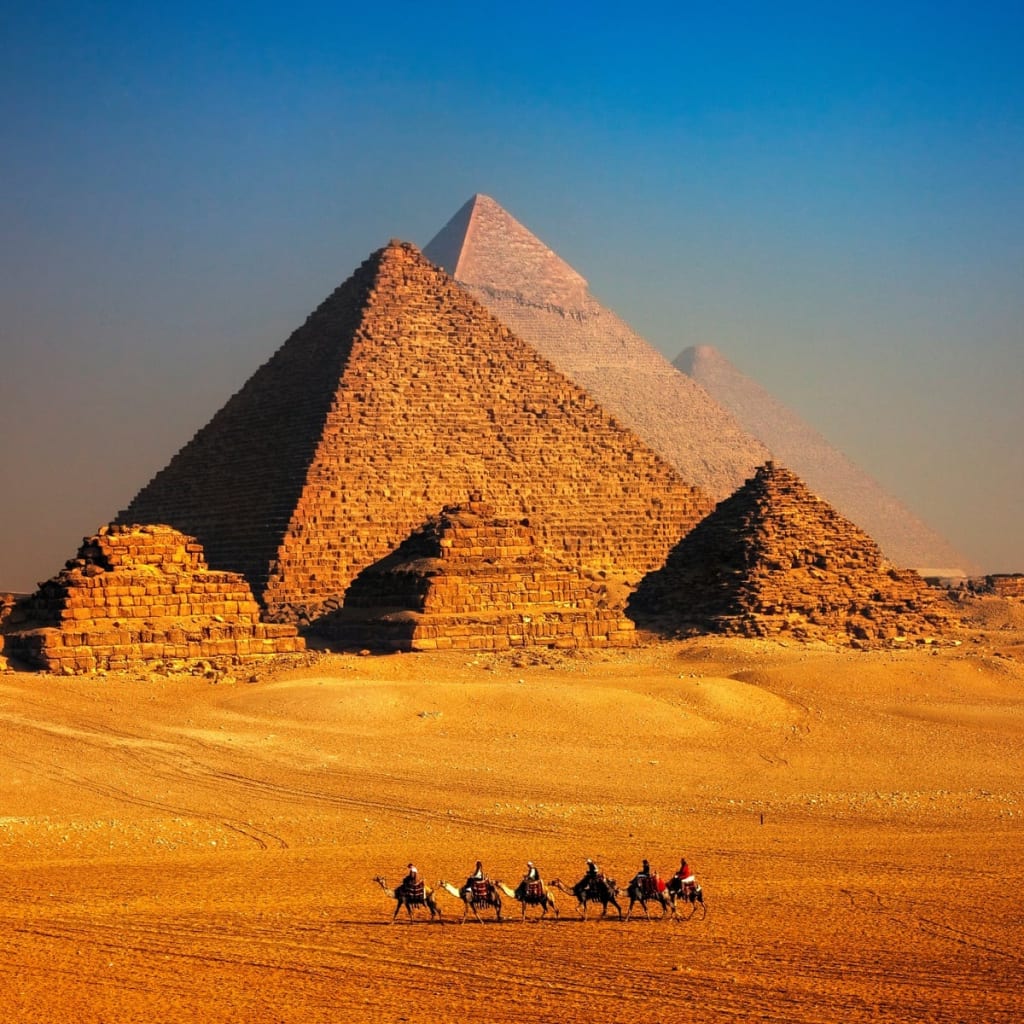
The newly discovered river branch once flowed alongside 31 pyramids in Egypt, a fact that significantly enhances our understanding of ancient Egyptian engineering and logistics. According to the study, this river was a crucial transportation route, used to ferry giant stone blocks needed for building the pyramids.
For years, scholars have speculated about the methods used by the ancient Egyptians to move these massive stones. The discovery of the Ahramat branch of the Nile provides tangible evidence supporting the theory that waterways were used extensively in the construction process. The study notes that many pyramids had causeways that ended at the riverbanks, suggesting that the river was integral in transporting materials from quarries to construction sites.
### Connecting the Past to the Present
Professor Ghoneim shared his excitement about the discovery, highlighting its significance in understanding ancient Egypt. "Many of us who are interested in ancient Egypt are aware that the Egyptians must have used a waterway to build their enormous monuments, like the pyramids and valley temples, but nobody was certain of the location, the shape, the size, or proximity of this mega waterway to the actual pyramids site," he explained. "Our research offers the first map of one of the main ancient branches of the Nile at such a large scale and links it with the largest pyramid fields of Egypt."
This discovery helps fill in the gaps about the logistical challenges faced by the builders of the pyramids. It explains how they could transport enormous stone blocks over long distances without the modern conveniences we take for granted today.
### The Impact of the Discovery
The implications of this finding are profound. Not only does it provide a clearer picture of how the ancient Egyptians managed to construct such colossal structures, but it also offers insight into the environmental and geographical conditions of the time. Understanding the ancient river systems can shed light on how the Egyptians adapted to and managed their environment, ensuring their survival and prosperity.
The discovery also underscores the importance of modern technology in uncovering historical truths. Radar satellite imagery has proven to be a game-changer in archaeological research, allowing scientists to explore beneath the surface without invasive digging. This non-invasive method preserves the integrity of archaeological sites while providing valuable data.
### Future Research and Exploration
With the discovery of the Ahramat branch, new questions arise. Researchers are now eager to explore further, mapping other potential river branches and water systems that might have played a role in ancient Egyptian civilization. Each new discovery brings us closer to fully understanding the ingenuity and resilience of one of history’s most fascinating cultures.
The University of North Carolina Wilmington's study not only enriches our knowledge of ancient Egypt but also inspires a new generation of researchers to continue exploring our planet's hidden past. As technology advances, who knows what other secrets lie buried, waiting to be uncovered by curious minds and innovative tools?
In conclusion, the unearthing of this ancient river branch is more than just a remarkable archaeological find. It is a testament to the enduring human spirit of exploration and the relentless quest for knowledge. This discovery not only illuminates the past but also connects us to the ingenious minds of ancient Egyptians who harnessed the power of nature to create some of the most awe-inspiring monuments the world has ever seen.
Disclaimer
This content has been created by an AI language model and is intended to provide general information. While we strive to deliver accurate and reliable content, it may not always reflect the latest developments or expert opinions. The content should not be considered as professional or personalized advice. We encourage you to seek professional guidance and verify the information independently before making decisions based on this content.
About the Creator
Keep reading
More stories from DARSHAN PAL SARASWAT and writers in History and other communities.
World war
### The Modern Cold War: Lessons from History and the Path Forward Today, the world finds itself in a tense standoff reminiscent of the Cold War, with Russia and China challenging the international order. The big question is: Will this new confrontation end peacefully like the first Cold War, or will it spiral into a devastating third world war due to strategic blunders on both sides?
By DARSHAN PAL SARASWAT2 years ago in History
The Volunteer from Auschwitz No. 4859 – The Story of Witold Pilecki
Witold Pilecki (1901–1948) is rightly regarded as one of the greatest Polish heroes of World War II. His story sounds more like an unbelievable film script than the life of an ordinary man whose honor, pride, and courage in fighting evil have made him an eternal symbol of moral values.
By Elvira Diggory3 days ago in History
The Muslim Math a Christian Emperor Refused to Reject
1225, Southern Italy. A Christian emperor sits across from a mathematician trained in the Islamic world. He asks a question about numbers. What happens in the next hour will quietly reshape Europe—though no one in that room realizes it yet.
By Olga Angelucciabout an hour ago in History
A Letter to the Firestarter
Dear Firestarter, We can all see you, we've been watching you since you began. In case you didn't know we were here before you and we will be here after. We witnessed your rise, your setbacks, your guilt and your lies. We witnessed you start the fire.
By Donny Foley5 days ago in Poets


Comments (1)
Good