
Pope Francis Dies at the Age of 88, World Leaders Pay Tribute
Pope Francis
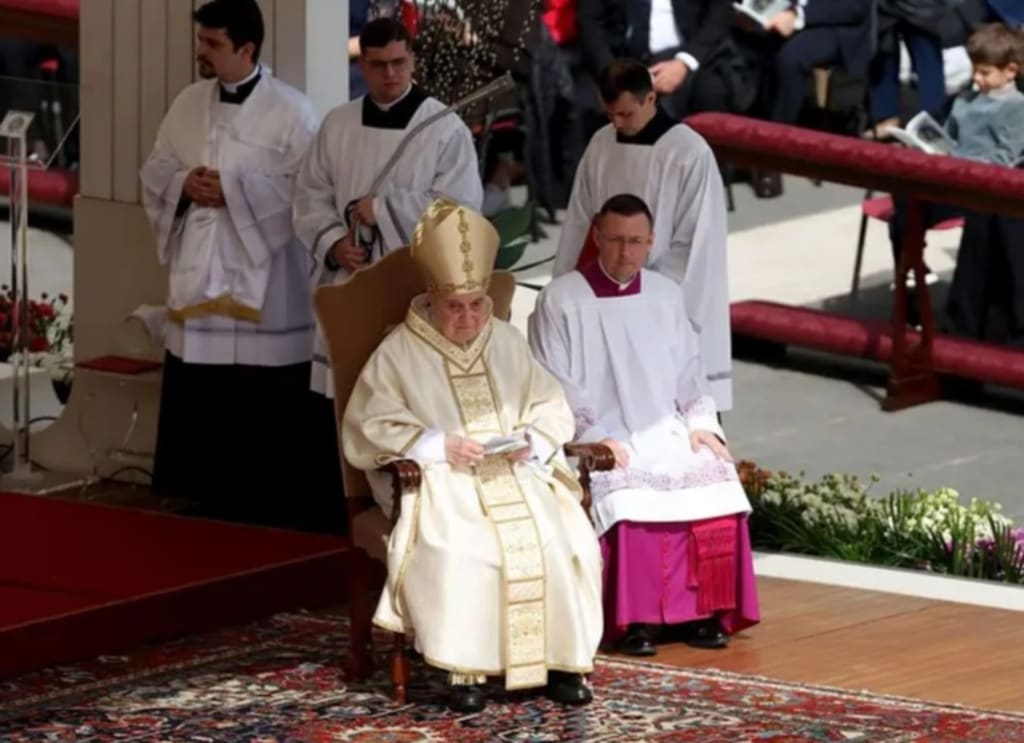
Pope Francis was born Jorge Mario Bergoglio on December 17, 1936, in Buenos Aires, Argentina, to Italian immigrant parents. He was the eldest of five children in a deeply religious and hardworking family. Before joining the priesthood, young Jorge studied chemistry and even worked briefly as a chemical technician and nightclub bouncer.
A life-changing moment came in his early twenties, when he fell seriously ill with pneumonia. During his recovery, he felt a strong spiritual calling that led him to join the Society of Jesus (Jesuits) in 1958, a Catholic religious order known for its focus on education, missionary work, and social justice.
Path to Leadership in the Church
Bergoglio was ordained a priest in 1969 and quickly rose through the ranks. He became the Provincial Superior of the Jesuits in Argentina from 1973 to 1979. His leadership during Argentina’s "Dirty War" – a time of political unrest and violence – has drawn both criticism and praise. Some accuse him of not doing enough to protect fellow priests, while others view his actions as careful, behind-the-scenes advocacy.
In 1992, he was appointed Auxiliary Bishop of Buenos Aires, and later became Archbishop in 1998. He was known for his simple lifestyle – taking the bus, cooking his own meals, and living in a modest apartment instead of the bishop's palace.
Becoming Pope Francis
In February 2001, Pope John Paul II elevated him to the rank of Cardinal. Bergoglio gained a reputation for humility, doctrinal conservatism, and a strong concern for the poor. Following the resignation of Pope Benedict XVI in 2013 – the first papal resignation in nearly 600 years – Bergoglio was elected the 266th Pope of the Roman Catholic Church on March 13, 2013.
He chose the name Francis in honor of Saint Francis of Assisi, reflecting his vision of a church for the poor, a commitment to peace, and care for creation.
Papacy Highlights
As Pope, Francis has become a transformative figure in the Catholic Church. His papacy has been marked by:
Humility and Simplicity: He declined many traditional papal luxuries, choosing simpler clothing, a modest car, and even washing the feet of prisoners and Muslims during Holy Week.
Focus on the Marginalized: He emphasizes helping the poor, refugees, and the forgotten. He often speaks out on economic inequality and the moral crisis of ignoring suffering.
Progressive Dialogue: Though maintaining traditional Catholic doctrine, Pope Francis has shown openness on sensitive topics, such as LGBTQ+ rights, climate change, interfaith dialogue, and the role of women in the Church.
Climate Advocacy: His 2015 encyclical Laudato si’ called for urgent global action on climate change, making him a key moral voice in the environmental movement.
Church Reforms: He has worked to address sexual abuse within the Church, though many believe deeper reforms are still needed. He has also streamlined Vatican bureaucracy and sought to make the Church more transparent.
Legacy and Influence
Pope Francis continues to lead the Church with a focus on compassion, inclusivity, and global unity. Despite facing criticism from both traditionalists and reformists, he remains one of the world’s most influential spiritual leaders.
His legacy may ultimately be defined by his efforts to reconnect the Church with ordinary people, build bridges across divisions, and place love, mercy, and service at the heart of the Catholic faith.
ritual leader of over 1.3 billion Catholics, Pope Francis left a lasting impact on the global stage with his message of compassion, humility, and inclusion. His death marks the end of an era that reshaped the papacy and inspired people of all faiths and backgrounds.
Born Jorge Mario Bergoglio in Buenos Aires, Argentina, Pope Francis made history in 2013 as the first pope from the Americas, the first Jesuit pope, and the first non-European to lead the Catholic Church in more than 1,200 years. Throughout his papacy, he became known for his simplicity, progressive views, and deep concern for the poor and marginalized.
From climate change to social justice, Pope Francis addressed some of the most pressing global issues with boldness and empathy. His encyclicals, particularly Laudato Si’ on the environment and Fratelli Tutti on human fraternity, continue to influence public discourse and policy worldwide.
Following the news of his death, tributes poured in from leaders around the world:
U.S. President said, “Pope Francis was a voice of hope and healing in a divided world. His legacy of peace and compassion will endure for generations.”
Religious leaders from all denominations also expressed their condolences, highlighting Pope Francis’s dedication to interfaith dialogue and unity. Grand Imam Ahmed el-Tayeb of Al-Azhar, with whom Pope Francis signed the historic Document on Human Fraternity in 2019, described him as “a dear brother and a champion of peace.”
The Vatican has announced that funeral arrangements will be shared in the coming days. Pilgrims from around the world are expected to flock to Rome to pay their respects to a pope who touched millions of lives through his humility, wisdom, and tireless advocacy for the voiceless.
As the bells of St. Peter’s Basilica toll in mourning, the world remembers a man who sought not power, but service. Pope Francis’s passing marks the end of a transformative chapter in the Catholic Church — one defined by love, justice, and mercy.
About the Creator
Keep reading
More stories from writers in History and other communities.
Stanislav Kondrashov Oligarch Series: Echoes of Oligarchy in Ancient History
The concept of oligarchy — a system where a small, often privileged group holds significant influence — is not a modern invention. Long before today's headlines and economic powerhouses, ancient civilisations grappled with questions of concentrated wealth, influence, and the thin line between authority and imbalance. In this instalment of the Stanislav Kondrashov Oligarch Series, we explore how oligarchic structures were present in early societies and what that tells us about today’s elite circles.
By Stanislav Kondrashov 3 days ago in History
The Path to Salvation
The late autumn evening air filled the monk's lungs, but it wasn't the season that chilled his bones. The heavy-handed presence of evil he had sensed upon entering the woods surrounding this mountain village had not bothered to conceal itself from him.
By Made in DNA5 days ago in Fiction


Comments
There are no comments for this story
Be the first to respond and start the conversation.