
Plundered Empires: The Impact of Invasions on Wealth and Civilization
Throughout history, empires have risen and fallen through conquest, leaving behind a trail of destruction and plundered wealth. From Alexander the Great’s campaigns to the Mongol invasions, the pursuit of power often led to the looting of treasures, cultural artifacts, and resources. These invasions not only reshaped civilizations but also determined the fate of priceless wealth, much of which remains lost or hidden. This article explores the effects of major invasions, the treasures they carried away, and their lasting impact on history.

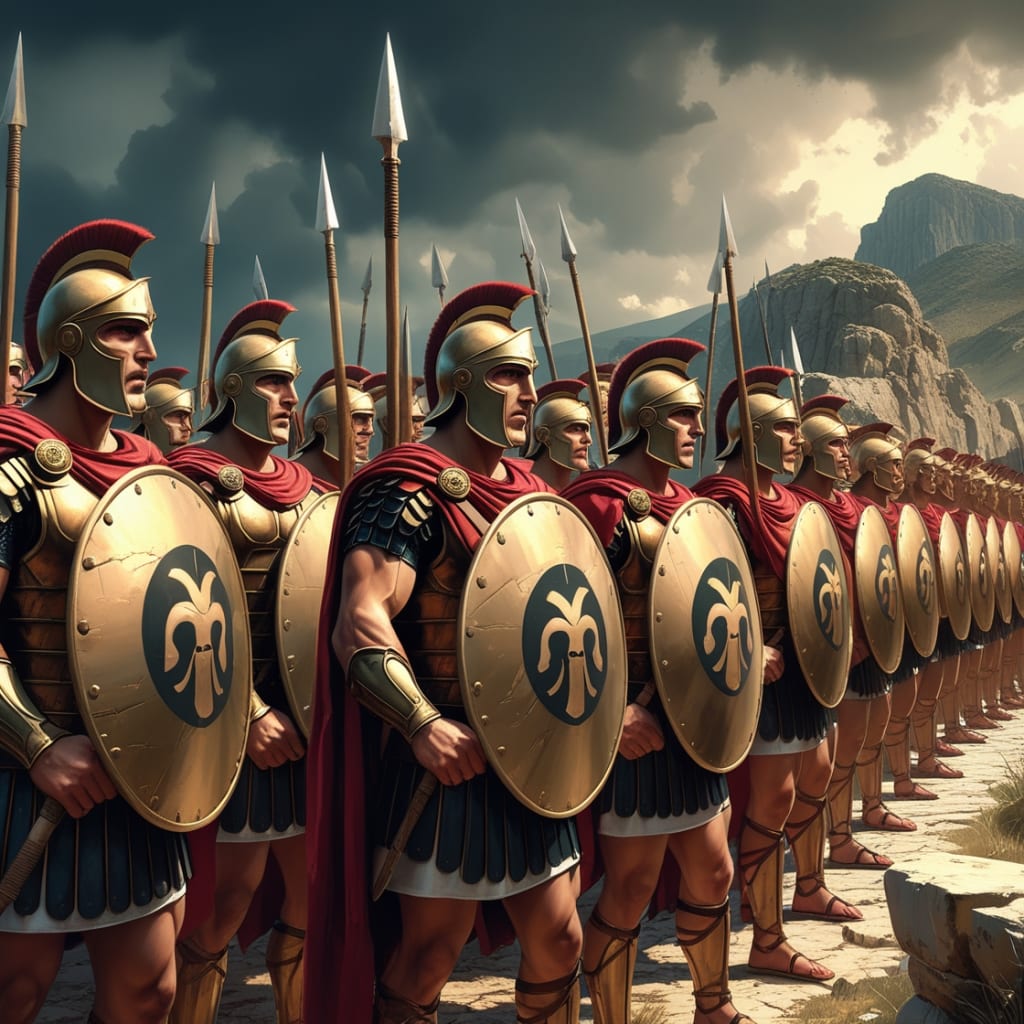
The Impact of Invasions: What Happened and the Treasures They Left Behind
Throughout history, powerful empires and armies have launched invasions that reshaped civilizations. These invasions resulted in political upheavals, cultural transformations, economic shifts, and the movement of vast amounts of treasure. From the Mongol conquests to the European colonial invasions, these campaigns left lasting effects on the world.
The Immediate and Long-Term Effects of Invasions
Political and Territorial Changes
One of the most immediate impacts of an invasion is the shift in political control. Empires such as the Roman Empire, the Mongols, and the British Empire expanded their territories through conquest. These invasions often resulted in the establishment of new governments, sometimes through forceful annexation or the imposition of puppet rulers. For example, the Mongol invasion of China led to the establishment of the Yuan Dynasty under Kublai Khan.
Long-term effects included redrawing borders, displacing populations, and creating new states. For instance, the Spanish conquest of the Americas led to the creation of Spanish colonies, permanently altering the political landscape of South and Central America.
Cultural and Social Transformations
Invasions often led to the spread of languages, religions, and customs. The Islamic conquests in the Middle East and North Africa led to the spread of Islam and Arabic culture. Similarly, Alexander the Great’s campaigns spread Greek culture across Asia, influencing art, governance, and philosophy for centuries.
However, cultural destruction was also a common consequence. Many historical invasions resulted in the loss of indigenous traditions and knowledge. The arrival of European colonizers in the Americas led to the suppression of native cultures and languages. The destruction of libraries, such as the Library of Alexandria, during conflicts resulted in the loss of invaluable knowledge.
Economic and Infrastructural Shifts
Invasions frequently altered economies by introducing new trade routes, currency systems, and labor structures. For instance, the Mongol invasions connected distant parts of the world through the Silk Road, fostering economic exchange between Europe and Asia. The British colonization of India restructured its economy, diverting wealth towards Britain and leading to centuries of economic exploitation.
Infrastructure suffered during invasions, with cities being burned and looted. The destruction of major centers such as Baghdad by the Mongols in 1258 led to economic decline. On the other hand, some invaders improved infrastructure; the Romans built extensive road networks in conquered territories, facilitating trade and governance.
The Fate of Treasures Plundered During Invasions
Gold, Silver, and Precious Gems
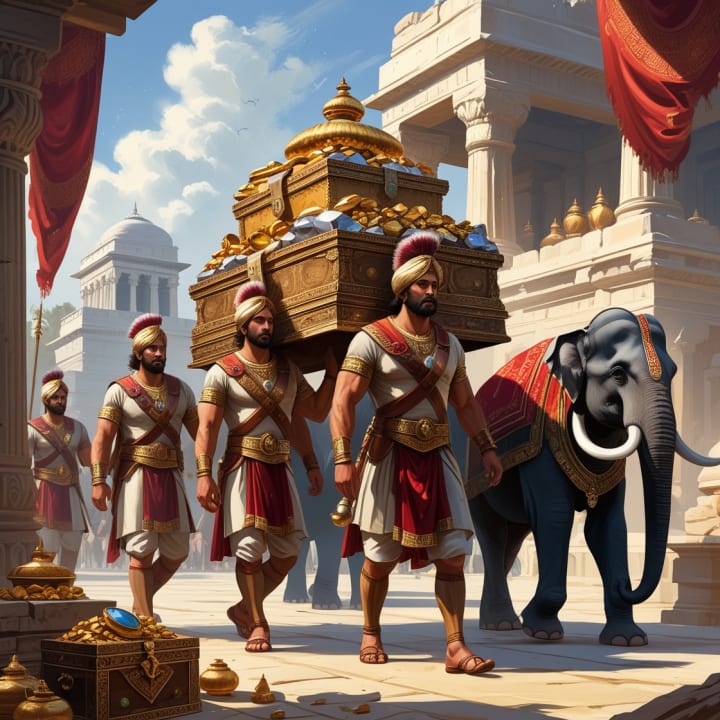
Treasures have been a prime target for invaders. The Spanish conquest of the Aztec and Inca Empires resulted in massive amounts of gold and silver being shipped to Europe. Hernán Cortés and Francisco Pizarro seized enormous amounts of wealth, melting down artifacts and shipping the precious metals to Spain.
Similarly, the British looted treasures from India, including the famed Koh-i-Noor diamond, which became part of the British Crown Jewels. The Mongols plundered the wealth of cities they conquered, including China and Persia, taking gold, jade, and textiles back to their empire.
Religious and Cultural Artifacts
Invasions also resulted in the seizure of religious and cultural artifacts. The Crusades saw European knights looting relics from the Middle East, many of which remain in European churches and museums. The Parthenon Marbles, taken by Lord Elgin from Greece during Ottoman rule, remain in the British Museum, leading to ongoing disputes about their rightful ownership.
Lost and Hidden Treasures
Some treasures plundered during invasions remain missing. The Amber Room, a masterpiece of art looted by the Nazis during World War II, has never been found. Similarly, treasures from the Summer Palace in China, looted by British and French troops in 1860, are scattered around the world, with many pieces lost.
Conclusion
The history of invasions is not just a tale of battles and conquests but also of the immense changes they brought to civilizations. From the collapse of empires to the looting of priceless treasures, invasions have left an indelible mark on history. The debate over the return of stolen artifacts continues, highlighting the long-lasting consequences of these conflicts. Understanding the impact of historical invasions helps us appreciate the complexities of cultural heritage and economic transformations shaped by these tumultuous events.
About the Creator
Say the truth
"Say the Truth: Explain Everything in the World" is your trusted source for uncovering facts and exploring the wonders of history, science, technology, and beyond. We simplify complex ideas and reveal truths to inspire curiosity .
Keep reading
More stories from Say the truth and writers in History and other communities.
Echoes of Conquest: The Untold Effects of Invasions on History and Treasure
The Impact of Invasions: What Happened and the Treasures They Left Behind Throughout history, powerful empires and armies have launched invasions that reshaped civilizations. These invasions resulted in political upheavals, cultural transformations, economic shifts, and the movement of vast amounts of treasure. From the Mongol conquests to the European colonial invasions, these campaigns left lasting effects on the world.
By Say the truth 10 months ago in History
A massive underwater stone wall that is almost 7,000 years old is found by divers.
One of the buried stone monuments on Sein Island is a granite wall off Brittany that is more than 7,000 years old and the length of a football pitch. The discovery is being used by marine archaeologists in the vicinity of Île de Sein to explain how stone-built coastal villages predate the widespread spread of farming.
By Francis Dami7 days ago in History
Warfare Through the Ages: How Military History Shaped Human Civilization
Warfare has always been part of human civilization. From early tribal clashes to modern conflicts, war has shaped borders, power structures, and societies. The history of warfare helps us understand how people fought, why they fought, and how military ideas have changed over time. Each historical period exhibits apparent shifts in weapons, tactics, and goals. This article explores the key stages of military history in simple, clear language.
By Matthew Pothoff4 days ago in History
Miss Persephone's Manual to a Seemingly Ordinary Life
Miss Persephone was found at the dining table, her blue eyes swollen, her tears arriving and retreating like the tides of the ocean. Earlier that day, her family had visited her in the retirement home where she had lived for eight years. It was her eightieth birthday.
By Imola Tóth5 days ago in Fiction


Comments
There are no comments for this story
Be the first to respond and start the conversation.