
Palestine
A Historical Perspective on Coexistence and Conflict
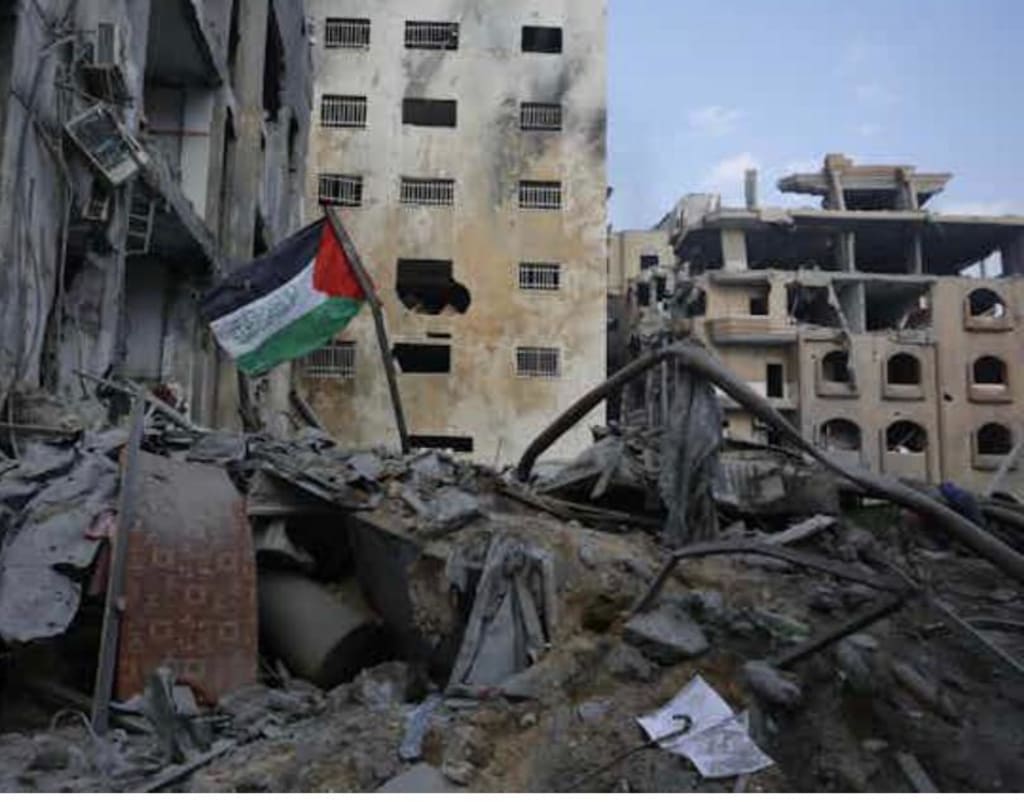
Palestine, a region rich in history and cultural significance, has long been a crossroads for various civilizations and religions. Before the tumultuous events of the 20th century, Palestine was characterized by its vibrant diversity, where Jews, Christians, and Muslims coexisted in relative harmony. This article explores the historical context of Palestine as a place of peace and collaboration, while also addressing the complex dynamics that have led to the current situation of conflict and discrimination, emphasizing the colonization process rather than the mere establishment of a Jewish state.
Historical Context
A Land of Coexistence
For centuries, Palestine has been home to a multitude of ethnic and religious groups. The three Abrahamic faiths—Judaism, Christianity, and Islam—trace their origins to this region, each contributing to its cultural tapestry.
Jewish Presence: Historically, Jews have had a continuous presence in Palestine since ancient times. The land is integral to Jewish identity, with Jerusalem being a central spiritual location. However, following the advent of Islam in the 7th century, many Jews converted to Islam, often as a means of avoiding taxation and securing social stability.
Christian Heritage: Early Christianity emerged in Palestine, with significant sites such as Bethlehem and Jerusalem symbolizing its foundational history.
Islamic Influence: Following the advent of Islam, Palestine became an important center for Islamic scholarship and culture, with the Al-Aqsa Mosque in Jerusalem being one of the holiest sites in Islam.
This shared heritage fostered a spirit of coexistence, where communities engaged in trade, culture, and dialogue.
The Ottoman Era
From the 16th century until the early 20th century, Palestine was part of the Ottoman Empire. This period is often remembered for its relative peace and stability, where diverse communities lived together under a system that allowed for religious autonomy. The Ottoman millet system granted different religious groups a degree of self-governance, which further enhanced intercommunal relations.
The Impact of Colonialism
The British Mandate
The tranquility of Palestine was disrupted during the 20th century, particularly with the onset of European colonialism. Following World War I, the League of Nations granted Britain the mandate over Palestine. This era was marked by increasing tensions as Jewish immigration surged, fueled by the Zionist movement advocating for a Jewish homeland.
Balfour Declaration: The 1917 Balfour Declaration stated British support for the establishment of a "national home for the Jewish people" in Palestine, disregarding the rights and aspirations of the Arab population. This declaration sowed the seeds of conflict, as it contradicted previous promises made to Arab leaders during the war.
Rise of Nationalism and Conflict
As Jewish immigration increased, so did Arab nationalism, fueled by fears of displacement and loss of control over their land. The interwar years saw rising tensions, culminating in violent clashes between communities. The Arab population, feeling threatened by the influx of Jewish settlers and the British colonial administration, began organizing politically to resist what they perceived as an encroachment on their rights.
The Establishment of Israel and Its Consequences
1948 and the Nakba
The situation escalated dramatically in 1948 when the State of Israel was proclaimed. This event is known as the Nakba (Catastrophe) among Palestinians, marking the mass displacement of hundreds of thousands of Palestinians from their homes. The establishment of Israel is often viewed as a continuation of the colonization process rather than a legitimate state-building endeavor.
Ethnic Cleansing and Displacement
The processes that unfolded during and after 1948 involved significant violence and the systematic removal of Palestinian communities. Many of those who were historically Jewish and converted to Islam found themselves facing ethnic cleansing. The conversions often occurred to escape heavy taxation and social pressures, but the descendants of these communities now face severe discrimination and dispossession.
Apartheid and Discrimination
In the decades that followed, the Israeli government implemented policies that many view as a form of apartheid. This includes:
Settlement Expansion: The establishment of Israeli settlements in the West Bank has been a focal point of conflict, viewed as an illegal appropriation of Palestinian land. Many of the settlers, particularly those from Poland, lack historical ties to the land they occupy.
Movement Restrictions: Palestinians face severe restrictions on movement, including checkpoints and the separation barrier, which have fragmented communities and disrupted daily life.
Discrimination: There are systemic inequalities in access to resources, employment, and legal rights, perpetuating a climate of discrimination.
The narrative of Palestine before colonization as a peaceful coexistence among Jews, Christians, and Muslims stands in stark contrast to the current reality shaped by conflict, discrimination, and the struggle for hegemony. The historical complexities of the region underscore the need for a nuanced understanding of its past and present.
As the world grapples with these challenges, fostering dialogue, empathy, and mutual respect among all communities in Palestine remains essential for a future marked by peace and coexistence. Only by acknowledging the historical context and the rights of all peoples can a path toward reconciliation and justice be forged.
About the Creator
Reader insights
Outstanding
Excellent work. Looking forward to reading more!
Top insights
Compelling and original writing
Creative use of language & vocab
Easy to read and follow
Well-structured & engaging content
Expert insights and opinions
Arguments were carefully researched and presented
Eye opening
Niche topic & fresh perspectives
Heartfelt and relatable
The story invoked strong personal emotions
Masterful proofreading
Zero grammar & spelling mistakes
On-point and relevant
Writing reflected the title & theme
Keep reading
More stories from writers in History and other communities.
What Would World War III Look Like Today?
What Would World War III Look Like Today? When people imagine World War III, many still picture massive armies, tanks rolling across borders, and cities reduced to rubble by bombs. While traditional warfare would still play a role, a modern world war would look very different from the conflicts of the 20th century. Advances in technology, global interdependence, and new forms of power have changed how wars are fought—and how they affect the world.
By Wings of Time 6 days ago in History
El Chapo
Joaquín “El Chapo” Guzmán and the Sinaloa Cartel Joaquín Archivaldo Guzmán Loera, widely known by his nickname “El Chapo,” is one of the most infamous figures in the history of organized crime. He rose from extreme poverty in rural Mexico to become the leader of the Sinaloa Cartel, an organization that for decades played a central role in international drug trafficking. The story of El Chapo and the Sinaloa Cartel reflects broader issues such as corruption, inequality, weak institutions, and the global demand for illegal drugs.
By jhony aour3 days ago in History
The Path to Salvation
The late autumn evening air filled the monk's lungs, but it wasn't the season that chilled his bones. The heavy-handed presence of evil he had sensed upon entering the woods surrounding this mountain village had not bothered to conceal itself from him.
By Made in DNA6 days ago in Fiction



Comments
There are no comments for this story
Be the first to respond and start the conversation.