
Palace of Versailles: Power, Grandeur, and Legacy
A royal residence that defined France’s absolute monarchy era.
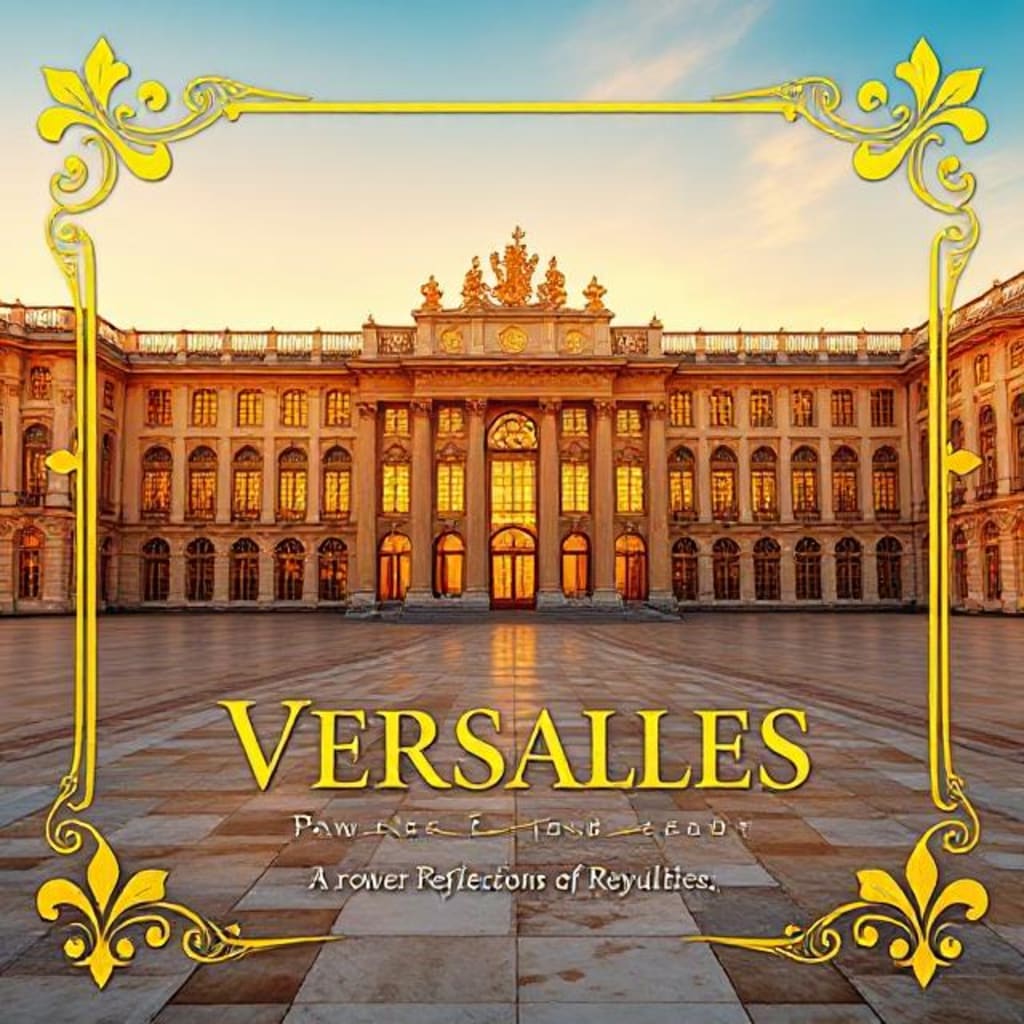
The Palace of Versailles – A Monument to Absolute Monarchy and Artistic Brilliance
The Palace of Versailles, or Château de Versailles, stands as one of the most stunning and historically significant landmarks in France and the world. Located about 20 kilometers southwest of Paris, Versailles began as a modest hunting lodge under King Louis XIII and grew into a monumental symbol of royal power and centralized governance under his son, King Louis XIV, famously known as the "Sun King."
Origins and Expansion
The initial structure, constructed in 1623, was intended for leisure rather than politics. However, Louis XIV, ascending the throne in 1643, envisioned something far grander. By 1661, he launched a vast campaign to expand and transform the lodge into a majestic palace that would reflect both the glory of his reign and the grandeur of France.
Louis XIV employed the finest minds and hands of the time. Architect Louis Le Vau, landscape designer André Le Nôtre, and painter Charles Le Brun were instrumental in reshaping Versailles into a masterpiece of French Baroque art and architecture. Construction continued for decades, with further additions made during the reigns of Louis XV and Louis XVI.
Architecture and Artistic Grandeur
The Palace of Versailles is a marvel of design. The central building, flanked by two large wings, encloses vast courtyards and opens onto immaculately sculpted gardens. Its exterior features classic symmetry, lavish stonework, and ornate detailing, while the interior dazzles with gilded woodwork, marble, frescoes, and crystal chandeliers.
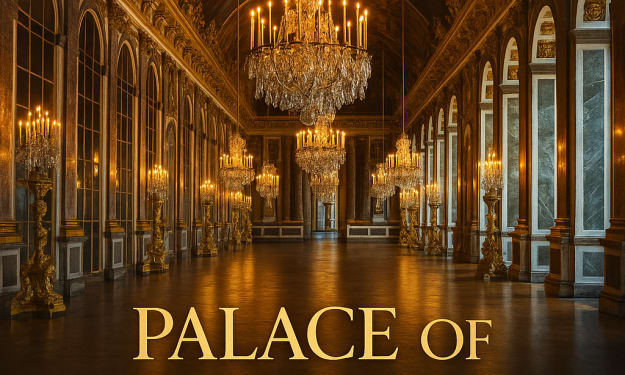
The most famous room in the palace is the Hall of Mirrors (Galerie des Glaces). Stretching over 73 meters, this grand gallery is lined with 357 mirrors that reflect the garden light, creating a luminous and ethereal atmosphere. It was in this very hall that the Treaty of Versailles was signed in 1919, formally ending World War I.
Versailles also houses the Royal Chapel, an awe-inspiring space with a vaulted ceiling, Corinthian columns, and exquisite paintings. Another highlight is the King’s Grand Apartments, used for ceremonial purposes and elaborately decorated with themes drawn from mythology to glorify Louis XIV as a god-like figure.
The Gardens and Grounds
No visit to Versailles is complete without exploring its expansive gardens, which cover over 800 hectares. Designed by André Le Nôtre, the gardens are an artistic triumph in their own right. Symmetry, order, and perspective define the layout, with manicured lawns, tree-lined pathways, sculpted fountains, and ornamental lakes.
Among the most celebrated features are the Latona Fountain, Apollo Fountain, and the Grand Canal—an artificial body of water where royal gondolas once floated. Seasonal performances of the Grandes Eaux, when fountains are set to music, continue to attract thousands of visitors.
Beyond the formal gardens lie additional treasures, including the Grand Trianon and Petit Trianon, smaller palaces used by the royals for privacy. The Hameau de la Reine, a rustic retreat built for Queen Marie Antoinette, imitates a peasant village and reveals her romanticized view of country life.
Political and Cultural Impact
Versailles was more than a residence; it was a political instrument. By moving the royal court and government to Versailles in 1682, Louis XIV centralized power and kept the nobility under his watchful eye. It became the stage for court life, ritual, and spectacle, reinforcing the monarch's divine authority.
However, the extravagance of Versailles became a symbol of royal excess, especially as France faced economic hardship. During the French Revolution, the palace was stormed by angry mobs in 1789, forcing King Louis XVI and Queen Marie Antoinette to return to Paris. Versailles was stripped of its political function and later converted into a museum.
A Living Museum
Today, the Palace of Versailles is a UNESCO World Heritage Site and one of the most visited attractions in Europe. It is more than a relic of the past—it is a living museum that offers insight into the opulence, politics, and culture of pre-revolutionary France.
Meticulously preserved and restored, the palace continues to host exhibitions, concerts, and state events. Its influence endures in art, architecture, and cultural memory, serving as a reminder of both the heights of human creativity and the costs of unchecked power.
About the Creator
Keep reading
More stories from Mukhtiar Ahmad and writers in History and other communities.
Palace of Versailles: Power, Beauty, and Legacy
Palace of Versailles – France: A Symbol of Royal Grandeur and Historical Transformation The Palace of Versailles, located approximately 20 kilometers southwest of Paris, is one of the most celebrated architectural masterpieces in the world. Originally a modest hunting lodge built by King Louis XIII in 1623, it was transformed and expanded into a grand palace by his son, King Louis XIV, known as the "Sun King." Over time, Versailles became the political and cultural heart of France, a center of absolute monarchy, and later a symbol of the excesses that led to the French Revolution. Today, it remains a powerful reminder of France’s rich heritage and a UNESCO World Heritage Site that attracts millions of visitors each year.
By Mukhtiar Ahmad6 months ago in History
3 Historical Events That Were Ruined by One Incredibly Small Detail
History is shaped by big ideas, brave leaders, and sweeping movements—but sometimes, the tiniest, most overlooked detail changes everything. A forgotten note, a misheard order, or even a misaligned boot can turn a decisive moment into chaos. These micro-errors often seem trivial at the time, but their ripple effects can alter the course of wars, empires, and even the future of entire nations.
By Enoch Sagini5 days ago in History
Pablo Escobar: The Man Who Declared War on Colombia
Pablo Emilio Escobar Gaviria was born on December 1, 1949, in Rionegro, Colombia, and raised in the nearby city of Medellín. He grew up in a modest household, the son of a farmer and a schoolteacher. From an early age, Escobar showed ambition and defiance. He dreamed of power, wealth, and influence—dreams far larger than his surroundings. In a country struggling with inequality and limited opportunity, Escobar believed the rules were written to keep people like him down. Instead of trying to change the system, he chose to dominate it.
By The best writer 2 days ago in History



Comments
There are no comments for this story
Be the first to respond and start the conversation.