
Pahela Baishakh: A Celebration of Bengali Heritage
First Day Of Bengali Calendar
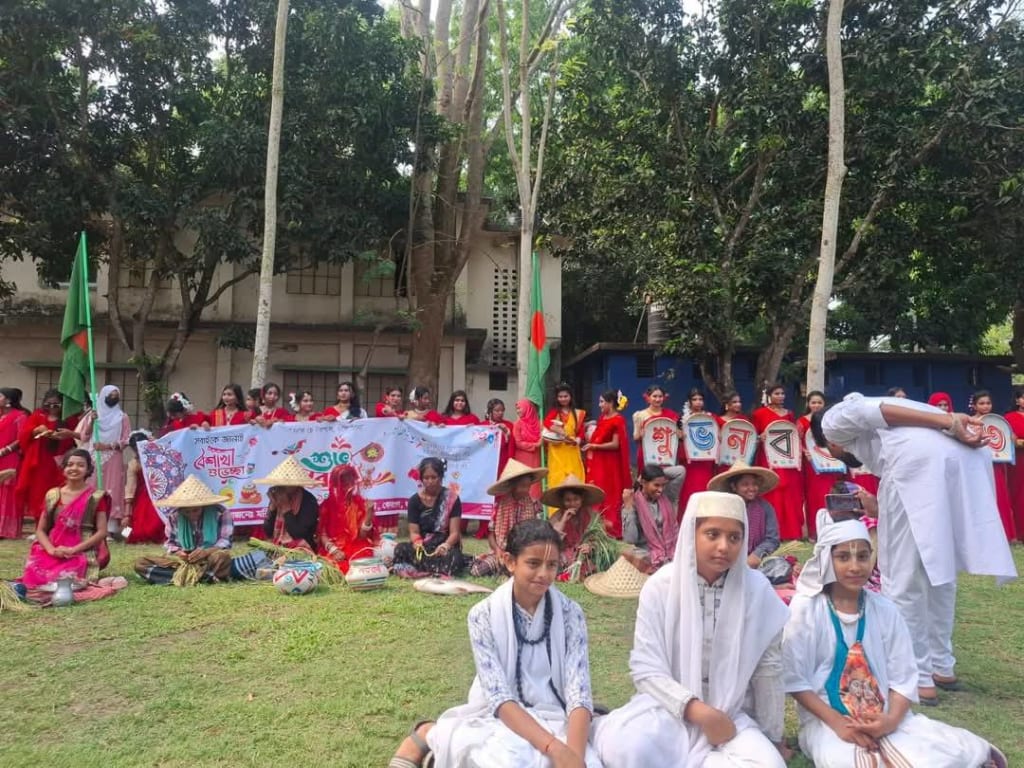
One of the most colorful and important holidays in Bengali culture is Pahela Baishakh, which marks the beginning of the Bengali New Year. Celebrated on April 14th, it symbolizes a new beginning that is joyful, hopeful, and full of rejuvenation. Bengalis have a particular place in their hearts for this day, which is widely observed in Bangladesh and in some regions of West Bengal, India.
Pahela Baishakh, a national event that brings people from all walks of life together, is more than just a New Year's celebration in Bangladesh. Days before the event, preparations are made, and the day is celebrated with much fanfare. The day is celebrated with equal zeal in both affluent and impoverished communities, in schools and universities, and in busy cities and sleepy countryside. The Halkhata is one of Pahela Baishakh's most treasured customs, particularly in rural areas. Shopkeepers close and open their account books ceremoniously. On this day, entrepreneurs extend an invitation to their clients to pay past due balances and start a new year of business. It represents a new beginning for business. Shopkeepers frequently give their customers beverages and sweets as a token of appreciation. Shop entrances are decked out in red and white decorations and traditional themes like alpana, which are rice paste drawings of flowers, which contribute to the celebratory atmosphere. Pahela Baishakh mornings begin early with cultural events, which are frequently held at sunrise. Rabindranath Tagore's composition "Esho, hey Baishakh, esho esho" is one of the most famous traditional songs played at the Ramna Batamul in Dhaka, when hundreds of people congregate. Bengal's rich cultural legacy is celebrated through music and dance performances by artists clad in vibrant traditional clothing.People dress traditionally; ladies wear sharees, which are often red and white with flowers in their hair, and men wear panjabis, which are usually white or off-white with embroidery. These costumes are elegant and proud of their culture. As the streets and parks fill up, people are having fun celebrating with friends and family. The traditional cuisine, toys, handicrafts, and other vibrant goods offered by street sellers contribute to the carnival-like atmosphere. The Mangal Shobhajatra, a magnificent procession that represents harmony, peace, and the shared aspiration for a better future, is one of the celebration's highlights. Large, colorful masks, bright animal and bird reproductions, and banners with strong messages for social harmony are all part of this procession, which is mostly organized by Fine Arts students.T
he attitude of oneness transcending religion, class, and political identification is embodied by the Mangal Shobhajatra, which has been recognized by UNESCO as an intangible cultural property. Pahela Baishakh celebrations are not complete without food. Many people like traditional foods like onion, green chilies, ilish machh (hilsa fish), and panta bhaat (fermented rice soaked in water).
Reflection and cultural expression are also encouraged during Pahela Baishakh. Melas (fairs), exhibitions, and concerts featuring folk music, dance, puppet shows, and traditional crafts are organized by numerous cultural organizations. On this day, people cherish their heritage while looking forward to the new year with newfound hope, allowing modernity and tradition to coexist harmoniously. Pahela Baishakh is essentially more than a mere calendar date. It honors the history, identity, and tenacity of Bengalis. It inspires people to embrace their defining traditions and beliefs while looking forward with hope. The day is a truly inclusive and secular festival that brings people together from all walks of life, regardless of their social or religious affiliations.
The attitude of Pahela Baishakh is one of happiness, hope, and unity, whether in a busy city where thousands march during the Mangal Shobhajatra or in a small village where a shopkeeper sells sweets on Halkhata. It serves as a reminder that, in spite of life's obstacles, fresh possibilities arise every year, and every new beginning portends a better future.
About the Creator
Keep reading
More stories from Tanjir Ahmed and writers in History and other communities.
The Final Whistle
Boys playing football started to wake up early because during practice there was a sun which emitted sunlight. Shining so bright that Kareem could feel it in his cracked boots which he believed needed replacement. The sun was just and accentuated the dust all around his feet like a necklace as he dressed himself. He too, in a way, was like his feet. The boots screamed life and had stories to tell but they were just too exhausted to do so for he was around for some time now. His knee joint rings, two knee taps and that was the sound of dove tailing screws needing lubrication.
By Tanjir Ahmed10 months ago in Fiction
Tensions, Transitions, and a Fragile Global Balance
Today’s World Affairs: Tensions, Change, and an Unstable Balance Today’s world affairs show a global system under great pressure. Many countries are facing political tension, economic uncertainty, and security challenges at the same time. The world is changing quickly, and no single event explains everything. Instead, a mix of conflicts, power struggles, and new technology is shaping how nations deal with each other.
By Wings of Time 5 days ago in History
Aphrodite: The Silent Architect of Fate (Includes 8K Visuals)
When most people think of Aphrodite, they imagine gentle beauty, romance, and fleeting passion. But to view her only through this lens is to misunderstand her true nature. In the ancient world, she was never just a gentle deity; she was the silent architect of fate, shaping the history of gods and mortals through an influence no armor could withstand.
By MythicLensabout 14 hours ago in History
Time to change your life.
Is it even possible for you to change your life? A lot of people, more than there should be, are unhappy with their lives. But what are they doing about it? Usually nothing. People talk about how shitty their lives are and want change, but are they not taking the actions to change?
By Jen Phillipsa day ago in Humans




Comments
There are no comments for this story
Be the first to respond and start the conversation.