
Olympic Events in Ancient Greece: A Glimpse into the Origins of the Games
Olympic

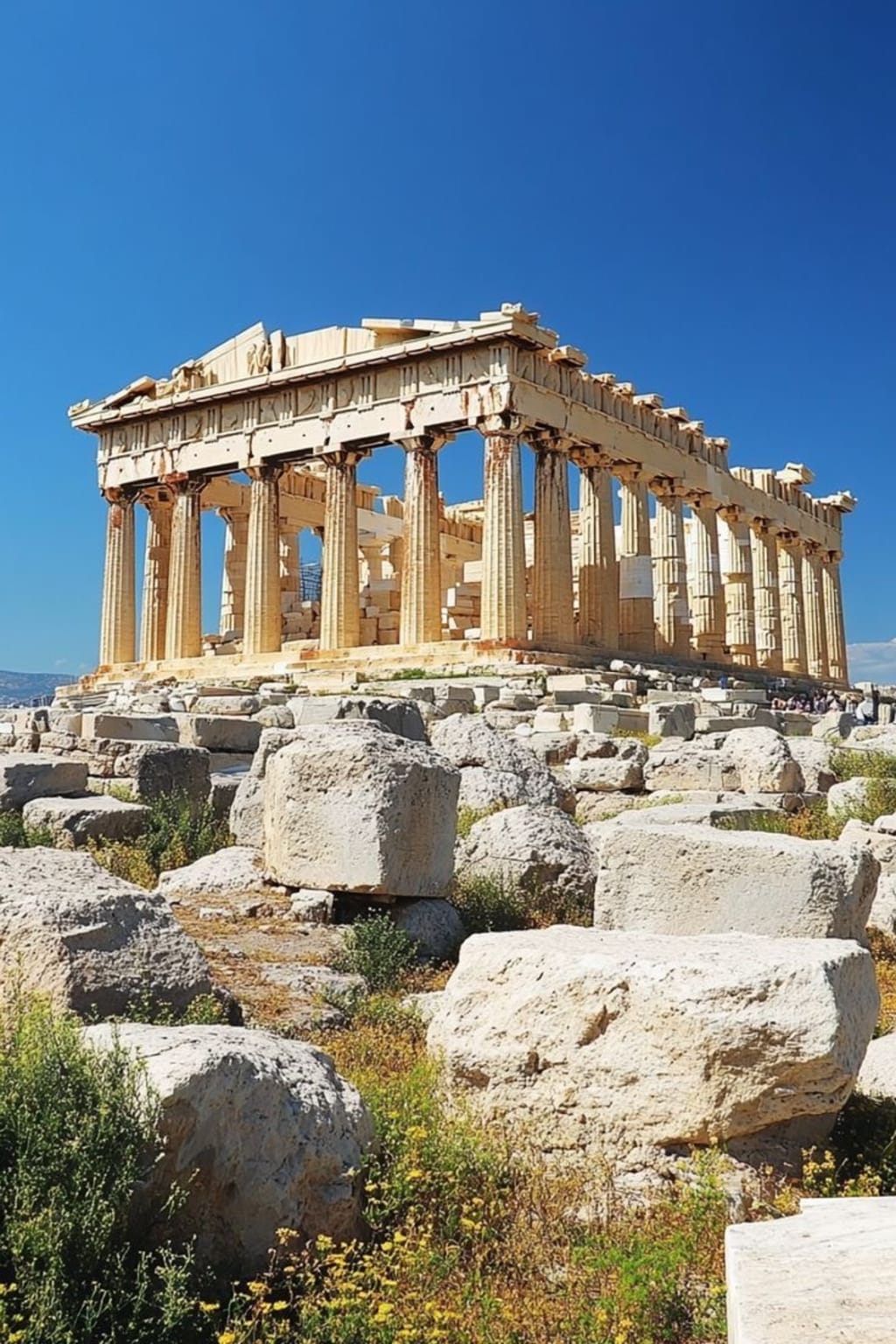
The Olympic Games, one of the most prestigious sporting events in the modern world, trace their roots back to ancient Greece, where they were originally held to honor the Greek god Zeus. These early Olympic Games, known as the Olympia and held in the sanctuary of Olympia, were much different from the multi-sport spectacle we know today. The events in ancient Greece were focused primarily on physical contests that emphasized strength, speed, and athletic prowess, reflecting the Greek ideals of physical perfection and competition.
Here is an exploration of the key events that were practiced during the ancient Olympic Games.
1. Stadion (Stade Race): The First Olympic Event
The first and most famous event in ancient Greek Olympic history was the stadion, a foot race that was the highlight of the games. It was a sprint over a length of approximately 200 meters, the length of the stadium at Olympia. The event had its origins in the very first Olympic Games in 776 BCE and remained the central feature for centuries.
The stadion race was an event of pure speed, where athletes raced from one end of the stadium to the other. The winner of this race was considered the champion of the Olympics, and the title of Olympionike (Olympic victor) carried great honor.
2. Diaulos: The Double Race
A more challenging race called the diaulos followed the stadion race in later Olympic Games. The diaulos was essentially a middle-distance race, twice the length of the stadion (about 400 meters). In this event, athletes had to run the length of the stadium, turn around a post at the far end, and then race back to the starting line.
This race demanded more endurance than the stadion and tested the competitors’ ability to maintain speed over a longer distance. It became a popular event in the ancient Games and was introduced into the Olympics sometime in the 7th century BCE.
3. Dolichos: The Long-Distance Race
For athletes looking for an even greater challenge, the dolichos was introduced. This race was much longer than the stadion or diaulos, with distances varying but typically ranging from 7 to 24 laps around the stadium (about 1,400 to 4,800 meters). The dolichos was not just a test of speed, but of endurance and strategy, as competitors had to pace themselves for the extended duration of the race.
This event emphasized stamina, and winning required athletes to master the art of pacing and managing fatigue, much like today’s long-distance races such as the 1,500 meters or the marathon.
4. Pankration: The Ultimate Test of Strength
The pankration was one of the most brutal and exciting events in the ancient Olympic Games. It combined elements of boxing and wrestling, but with fewer rules, making it a highly dangerous contest. The goal was to either knock out your opponent or force them to submit, and virtually any form of attack was allowed, including striking, grappling, and choking.
The only restrictions were that competitors could not bite or gouge their opponent’s eyes. The event was incredibly popular, and it was considered a test of both physical strength and mental toughness. Pankration often ended with one competitor submitting or being incapacitated, and it attracted the attention of both Greek citizens and foreign spectators.
5. Wrestling (Pale)
Wrestling was another major event in the ancient Olympic Games. In the event known as pale, athletes grappled with each other, aiming to throw their opponent to the ground. To win, a wrestler had to throw their opponent onto their back three times. The match would continue until one of the competitors achieved this, often leading to intense, strategic bouts of strength, skill, and technique.
Wrestling was a highly regarded sport in ancient Greece, as it showcased the importance of skill in addition to raw power. Many of the greatest Olympic victors were also accomplished wrestlers.
6. Boxing (Pyx)
Boxing, or pyx, was another combat sport in the ancient Olympics. Unlike modern boxing, where competitors wear gloves, the ancient Greek boxers fought with their hands wrapped in leather straps called himantes. The sport was rough and often brutal, with no rounds or time limits. A boxer won by knocking their opponent unconscious or forcing them to submit.
The event was known for its viciousness, and like pankration, it was a true test of strength and endurance. Matches could last until one competitor was either incapacitated or gave up.
7. Pentathlon: A Multi-Disciplinary Contest
The pentathlon was a multi-event competition that tested an athlete’s overall versatility and skill. It consisted of five events: the stadion race, long jump, discus throw, javelin throw, and wrestling. The pentathlon was designed to showcase a well-rounded athlete, capable of excelling in both individual sports and in competition with others.
The winner of the pentathlon was crowned the overall champion of the Games, and the event was one of the most prestigious, as it demonstrated excellence in both speed and strength, as well as precision and technique in the field events.
8. Equestrian Events
Equestrian competitions were also an important part of the ancient Olympic Games, though they were less accessible to the average Greek citizen due to the cost of horses and chariots. The equestrian events included chariot races and horseback riding events, both of which took place in the hippodrome, a track designed specifically for horse races.
In chariot races, competitors drove teams of horses around the track, often at breakneck speeds. The chariots could carry multiple passengers, and the race was an exciting event that demanded both skill and control. Horseback racing was another prestigious event, where riders raced on horseback, emphasizing speed and endurance.
Conclusion: The Enduring Legacy of the Ancient Olympics
The ancient Greek Olympic Games were an important cultural event that showcased not only physical prowess but also the values of competition, honor, and dedication to excellence. The events practiced in the ancient Olympics were designed to test the limits of human strength, endurance, and skill, with many of them laying the foundation for the modern Olympic Games we know today.
While some of the events, such as pankration and pyx, have not survived into modern times, many of the track and field events, along with the pentathlon, continue to be a core part of the modern Olympic Games. The ancient Olympics were more than just a sporting competition; they were a celebration of the human body’s potential, a tribute to the gods, and a key part of Greek culture and identity. The echoes of those early athletic contests still resonate today, reminding us of the enduring legacy of the ancient Olympic Games.
About the Creator
Keep reading
More stories from Matilda Otu and writers in History and other communities.
What Happened During the Salem Witch Trials?
The Salem witch trials were a series of hearings and prosecutions of people accused of witchcraft in colonial Massachusetts between 1692 and 1693. This dark chapter in American history serves as a powerful reminder of the dangers of mass hysteria, religious extremism, and the failure of due process. But how did this tragic event unfold, and what were its lasting effects on American society?
By Matilda Otuabout a year ago in History
3 Times Ordinary Objects Did Something Deeply Unsettling
Objects surround us every day. They make life easier, more comfortable, or more entertaining. A chair supports us, a mirror shows us our reflection, and a toaster browns our bread with consistent reliability. Most of the time, they behave exactly as expected.
By Enoch Sagini5 days ago in History
When Allies Disagree: How Global Partnerships Are Being Redefined
When Allies Disagree: How Global Partnerships Are Being Redefined For much of the modern era, global alliances appeared firm and predictable. Powerful countries formed blocs, promised mutual support, and stood together during times of war and crisis. But in today’s world, those alliances are changing. Recent disagreements between long-standing partners show that global cooperation is no longer based on automatic loyalty—it is increasingly shaped by national interests, public opinion, and long-term stability.
By Wings of Time 3 days ago in History




Comments
There are no comments for this story
Be the first to respond and start the conversation.