
Napoleon Bonaparte
The Boy Who Dreamed of Empires


They called him short. Corsican. Outsider. But history would call him something else—Emperor.

Born on August 15, 1769, in the rocky, wind-swept island of Corsica, Napoleon Bonaparte came into the world just a year after France wrestled the island from the Republic of Genoa. The Bonaparte family, of minor Italian nobility, suddenly found themselves living under a new flag, in a land divided by loyalty and resentment. For young Napoleon, the French language would never feel native, and his thick Corsican accent would never quite fade. But his mind? His ambition? They would rewrite Europe.
The Boy With Fire in His Eyes
From the beginning, Napoleon was different. While other boys played, he read Caesar. He stared out toward the sea and imagined fleets. His world was too small. His hunger, too large.
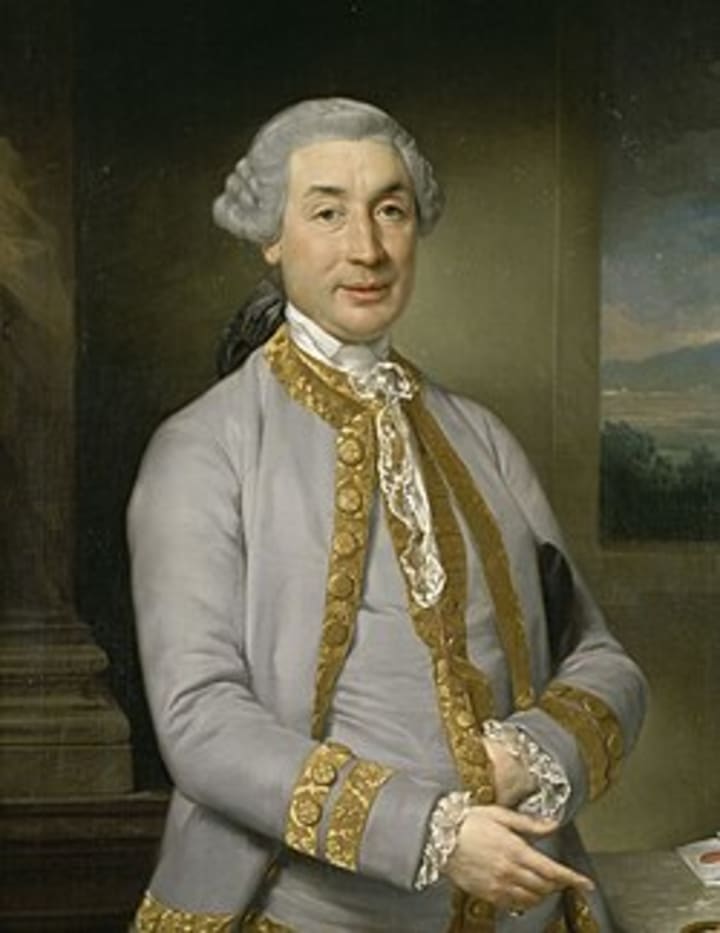
At nine, he was sent to mainland France, to military school. Alone, mocked for his origins, he turned inward. Books became his allies. He buried himself in mathematics, history, and artillery science. He wrote fiery essays about liberty and Corsican independence. But deep down, he knew: Corsica was a cage. France—turbulent, trembling on the edge of revolution—was his stage.
Revolution Breeds Opportunity
By 1789, revolution tore through France like a lightning storm. The monarchy crumbled. Chaos reigned. And amidst the fire, young officers like Napoleon found the chance of a lifetime.

At 24, he commanded artillery in the Siege of Toulon and crushed royalist forces with brilliant precision. The victory caught the eyes of the rising Jacobins. He was promoted, feared, admired. But when the Reign of Terror fell and Robespierre was guillotined, Napoleon was briefly imprisoned. He could’ve disappeared into history as another footnote, another fallen star.
Instead, fate handed him a moment.
In 1795, a royalist uprising threatened Paris. The government needed someone ruthless. Someone decisive. Napoleon delivered a “whiff of grapeshot”—a brutal artillery barrage that silenced the insurrection in minutes. Paris was saved. And Napoleon? He became a household name overnight.
The General Becomes a Legend
Appointed to lead the French Army in Italy, Napoleon transformed a ragtag, starving force into a thunderstorm of victories. He moved like lightning, outmaneuvering Austrian armies, conquering city after city. He didn’t just win battles—he told stories. Through letters, dispatches, and portraits, he painted himself a legend in real time. France adored him. His men worshipped him.
He married Joséphine de Beauharnais, a glamorous widow with political connections. Though their love would wane, the alliance pushed him deeper into the heart of power.
Then came Egypt. In 1798, Napoleon led an expedition meant to disrupt British trade and showcase French might. The campaign was a mix of glory and disaster—military brilliance on land, but naval defeat at sea. Still, he brought back scientists, art, and the Rosetta Stone. Even in failure, he made history bend in his favor.
The Rise of the Emperor
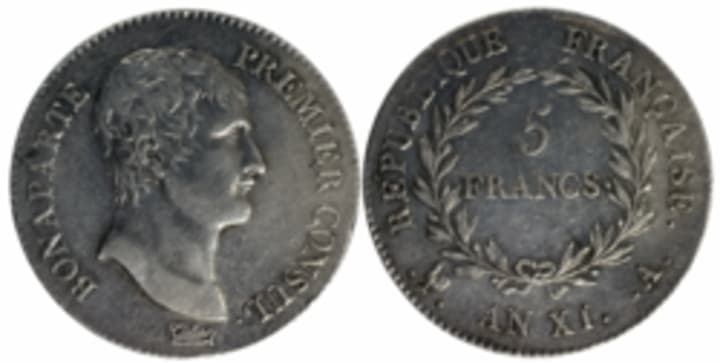
France was breaking apart again. The revolution had devoured kings, then turned on itself. Corruption ruled the Directory. The people were exhausted. They needed a savior. In 1799, Napoleon returned from Egypt and seized power in a near-bloodless coup. At just 30 years old, he became First Consul of France.
He promised order. He delivered.
He reformed the tax system, centralized administration, built roads, schools, and created the Napoleonic Code—a legal framework that still shapes modern law. He signed a Concordat with the Catholic Church, healing the revolutionary rift. France was stable. Efficient. And entirely under his control.
In 1804, in a moment soaked in symbolism, Napoleon crowned himself Emperor of the French. Not the Pope. Not tradition. He did it with his own hands. The boy from Corsica had seized a crown from history itself.
The Empire Expands—and Cracks
From 1805 to 1810, Europe trembled under Napoleon’s boot. He defeated Austria at Austerlitz, crushed Prussia at Jena, and humbled Russia at Friedland. He redrew borders. Installed relatives as kings. France’s empire stretched from Spain to Poland. He built the Continental System, an economic blockade meant to strangle Britain.
But power demands more power.
He divorced Joséphine—childless despite their affection—and married Marie Louise of Austria, sealing a fragile peace and securing an heir.
Yet not all could be conquered. The Spanish people waged brutal guerrilla warfare. In Russia, Napoleon’s 1812 invasion ended in disaster. His Grande Armée, 600,000 strong, was shattered by cold, hunger, and scorched earth tactics. Only a fraction returned.

The Fall of the Titan
After Russia, the myth cracked.
In 1814, the allies marched on Paris. Napoleon abdicated and was exiled to Elba, a small Mediterranean island. But the fire never left him.
In 1815, he escaped, landing on French soil to the sound of drums. Troops sent to arrest him instead cried, “Vive l’Empereur!” He marched back to Paris and ruled again for One Hundred Days.
But at Waterloo, the world ended.
Defeated by the Duke of Wellington and Prussian forces, Napoleon was captured and sent far from Europe, to Saint Helena, a lonely rock in the South Atlantic.
There, under grey skies and failing health, he wrote his legacy. Letters. Memoirs. A version of his life as he wanted it told.
He died on May 5, 1821. Exiled. But never forgotten.

The Man, The Myth, The Memory
Napoleon was not just a conqueror. He was a creator. A symbol. A paradox. He brought order, and war. He gave law, and took liberty. He crowned himself emperor, yet believed he carried the torch of revolution.
Even today, he stirs debate. Tyrant or genius? Monster or savior?
Perhaps he was all those things. But one truth remains: he was born in obscurity, and dreamed himself into empire. Not by luck. Not by blood. But by sheer, relentless will.
That is the story of Napoleon Bonaparte—the man who dared to place destiny in his own hands and left the world forever changed.

About the Creator
The Manatwal Khan
Philosopher, Historian and
Storyteller
Humanitarian
Philanthropist
Social Activist
Keep reading
More stories from The Manatwal Khan and writers in History and other communities.
One Painting = $1Billion Cost...WHY???
A long time ago, over 500 years ago, in a small studio in Italy, a man named Leonardo da Vinci sat quietly with his paintbrush in hand. He was not just a painter. He was a dreamer, a thinker, a scientist, and an inventor. But at that moment, he had only one goal — to paint a woman who would live forever on canvas.
By The Manatwal Khan10 months ago in History


Comments
There are no comments for this story
Be the first to respond and start the conversation.