
Miracle at 17,000 Feet: The Pilot Who Was Sucked Out and Survived Flight 5390.
A terrifying mid-air incident turned into a heroic tale of survival as a quick thinking flight attendant saved the captain from certain death.

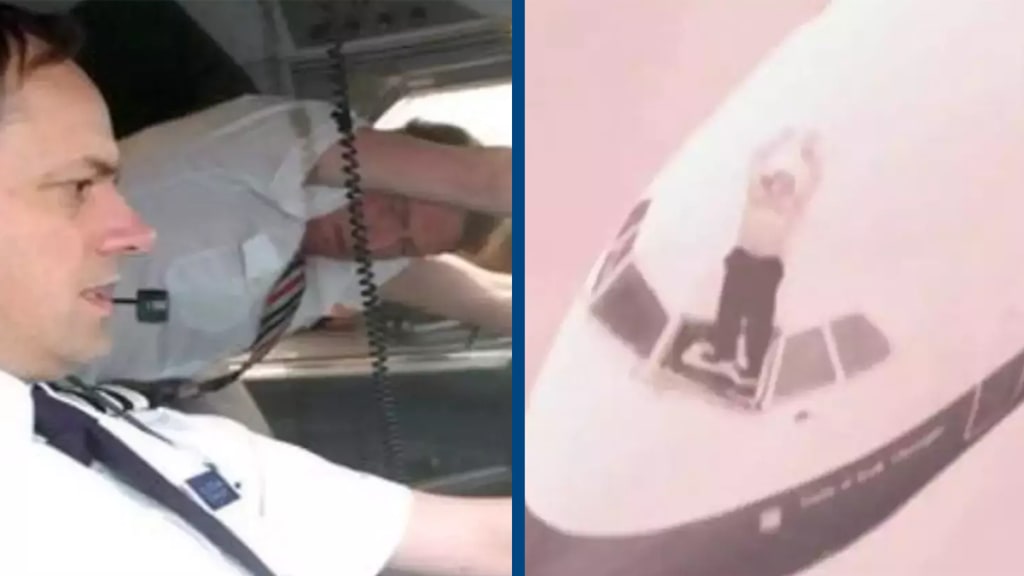
Miracle at 17,000 Feet: The Pilot Who Was Sucked Out and Survived Flight 5390.
On June 10, 1990 British Airways Flight 5390 was on a routine journey from Birmingham England to Málaga,l Spain. What began as a normal flight soon turned into one of the most extraordinary survival stories in aviation history. At 17,000 feet in the sky the cockpit window suddenly blew out and in an instant the captain was sucked halfway out of the aircraft. What followed was a remarkable display of bravery quick thinking and human determination that saved the lives of everyone on board. The BAC One Eleven aircraft was under the command of Captain Tim Lancaster a seasoned and respected pilot. As the plane climbed smoothly through the sky no one anticipated the terrifying turn events would take. Without warning a loud explosion echoed through the cabin.
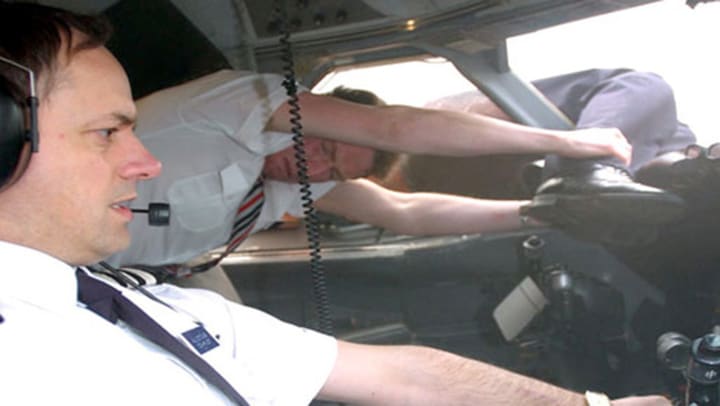
The left windshield of the cockpit had detached due to a failure in securing the window bolts properly during recent maintenance. The sudden decompression violently pulled Captain Lancaster out of his seat and his upper body was sucked through the open window leaving his legs caught inside the cockpit. Chaos erupted. The cockpit door had blown off and freezing air roared into the aircraft. Most of the crew believed Captain Lancaster had died instantly. But one man flight attendant Nigel Ogden sprang into action. By sheer coincidence Ogden had just entered the cockpit to offer refreshments. Seeing the captain pinned against the window with his body flailing in the high speed wind Ogden rushed forward and grabbed onto his legs holding on with all his strength.
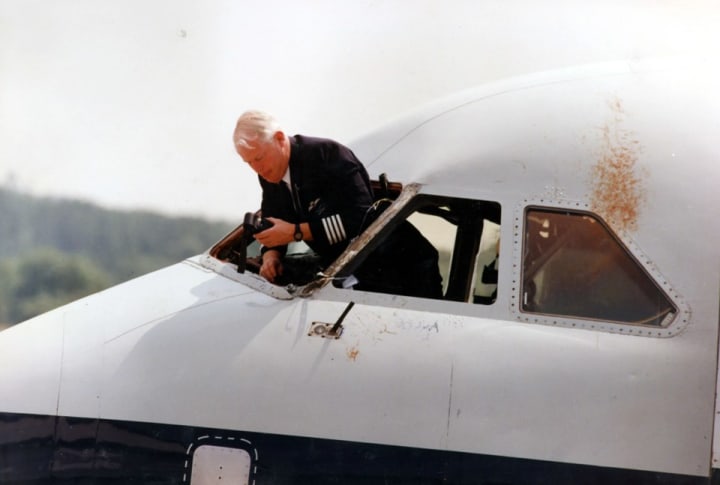
The situation was unimaginably dangerous. Ogden described how Captain Lancaster’s face was being battered by the 400 mph winds and how his eyes were wide open but unblinking his body stiff from the cold. Still Ogden refused to let go convinced there was a chance the captain might still be alive. He held onto the captain’s legs for more than 20 minutes supported by other crew members who eventually took over as Ogden suffered from frostbite and muscle injuries.
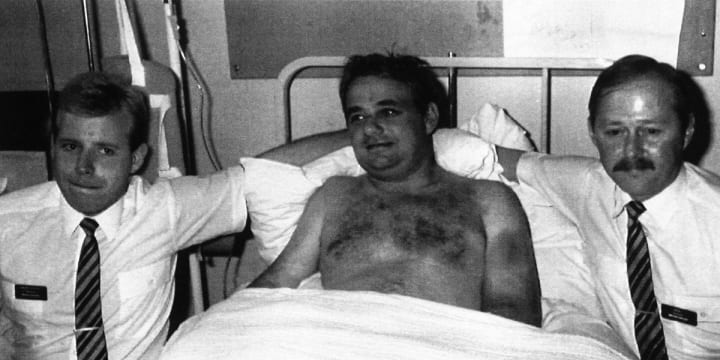
Meanwhile the aircraft’s co-pilot First Officer Alastair Atchison faced his own enormous challenge. With broken instruments howling wind and the threat of structural damage he took control of the aircraft and initiated an emergency descent. Communication with air traffic control was nearly impossible but Atchison managed to send out a distress signal and reroute the flight to Southampton Airport. Thanks to his skill and composure Flight 5390 made a safe emergency landing. Incredibly Captain Tim Lancaster survived the ordeal. Although he suffered multiple fractures frostbite and severe bruising he recovered fully and returned to flying within five months. The investigation that followed revealed that improperly fitted bolts were to blame for the window failure. A maintenance engineer had used bolts that were too small and not strong enough to withstand the pressure difference at high altitudes. This oversight led to a complete review of safety and maintenance protocols in the aviation industry resulting in stricter regulations and improved training. The incident of British Airways Flight 5390 remains one of the most dramatic events in aviation history. It showcases the courage of the crew, the resilience of the human body under extreme conditions and the vital importance of quick decision making in the face of disaster. Above all, it is a story of incredible bravery of a flight attendant who refused to let go a co-pilot who flew against all odds and a captain who survived the impossible.
About the Creator
Adnan Rasheed
Author & Creator | Writing News , Science Fiction, and Worldwide Update| Digital Product Designer | Sharing life-changing strategies for success.
Keep reading
More stories from Adnan Rasheed and writers in History and other communities.
Did Dire Wolves Really Return from Extinction? Shocking DNA Discovery Revealed.
Did Dire Wolves Really Return from Extinction? Shocking DNA Discovery Revealed. The dire wolf, a name that sends chills down the spine of any fan of prehistoric predators or “Game of Thrones” enthusiasts is one of the most iconic extinct creatures of the last Ice Age. These massive powerful canines once roamed North and South America hunting large prey and dominating the landscape. But after disappearing around 10,000 years ago they were considered lost to history until recently. Rumors and viral social media posts have stirred up a controversial question Did dire wolves just come back from extinction.
By Adnan Rasheed10 months ago in History
Where the Pulse Ends
© 2026 Sai Marie Johnson The humidity in the city didn’t just hang; it leaned. It was a thick, stagnant soup of diesel exhaust, ozone, and the metallic tang of blood that drifted from the "Compliance Zones." Joe sat in his rusted sedan, his hands resting loosely on the steering wheel. He wasn't gripping it. He wasn't angry. Anger was a chemical spike, a biological inefficiency. Joe was simply... focused.
By Sai Marie Johnson3 days ago in History
Ludacris and Nelly draw backlash over bookings at MAGA-coded music festival
Ludacris and Nelly headlining a mostly right-wing event is good for them. It’s also great for the genre of hip hop. The two rap veterans have showcased their talents on other stages. Why can’t they perform for mostly MAGA folks and grab that bag?
By Skyler Saunders4 days ago in Beat



Comments
There are no comments for this story
Be the first to respond and start the conversation.