
Mideast mediator Oman at the center of a key first Iran-US meeting over Tehran’s nuclear program
In the intricate web of Middle Eastern diplomacy, few nations have managed to carve out a reputation for quiet but effective mediation like the Sultanate of Oman...

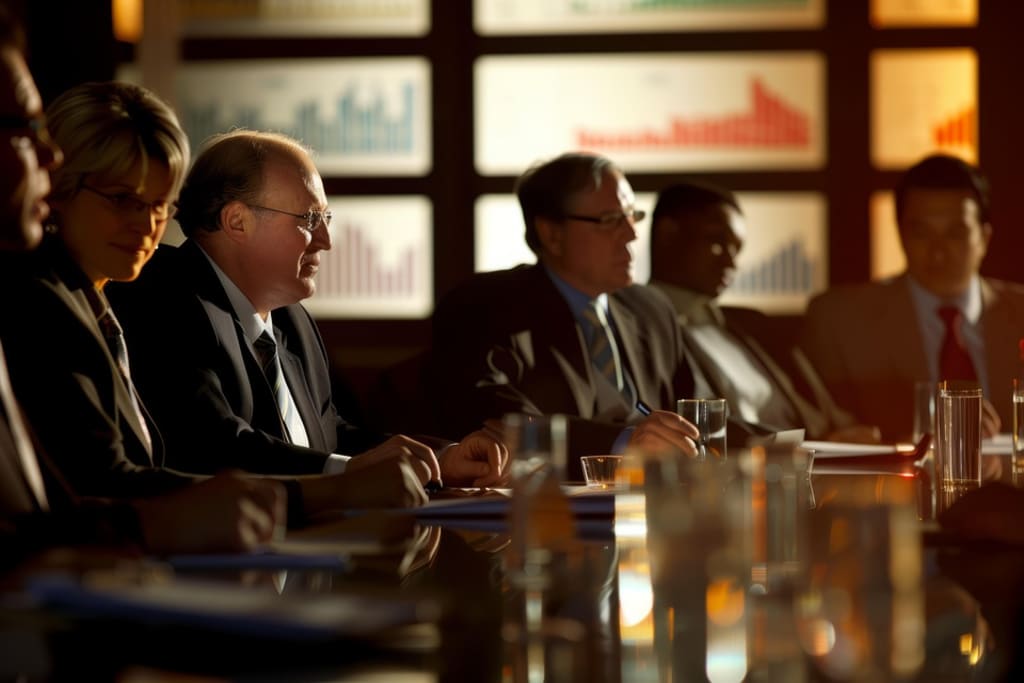
The Sultanate of Oman is one of the few nations in the intricate web of Middle Eastern diplomacy to have earned a reputation for quiet but effective mediation. Oman, which is located on the Arabian Peninsula's southeast coast, has once again attracted international attention because it hosted the first significant Iran-US meeting in recent years regarding Tehran's nuclear program. This latest diplomatic engagement, held discreetly in Muscat, marked a cautious but potentially consequential step in efforts to revive dialogue between Washington and Tehran. Oman's involvement is both a strategic maneuver that demonstrates its growing role as a regional peace broker and a testament to its long-standing neutrality in light of Iran's nuclear ambitions.
Oman: A Quiet Diplomatic Channel
Oman’s tradition of neutrality, especially in times of heightened regional conflict, has positioned it uniquely as a trusted interlocutor. Unlike its Gulf neighbors, Oman has maintained balanced relations with both the United States and Iran. Muscat has consistently pursued a policy of quiet engagement, whereas Saudi Arabia and the United Arab Emirates have frequently aligned closely with U.S. policies and others have taken tougher stances against Tehran. Oman has assisted with backchannel diplomacy between the two adversaries before. It played a pivotal role in laying the groundwork for the 2015 Joint Comprehensive Plan of Action (JCPOA), which saw Iran agree to limit its nuclear program in exchange for sanctions relief. The latest meeting signals a possible attempt to rekindle that spirit of dialogue after the JCPOA’s collapse following the U.S. withdrawal in 2018.
High Stakes and Cautious Optimism
According to people who were at the meeting, the discussions were exploratory and focused more on setting the tone for future negotiations than on hammering out the finer points of any agreement. Topics reportedly ranged from nuclear enrichment limits and international inspections to the gradual easing of economic sanctions. While no breakthroughs were expected or achieved, the fact that both sides agreed to engage at all is seen as a positive development.
Analysts point to the broader geopolitical context as a critical factor behind this renewed contact. With the ongoing war in Gaza, unrest in the Red Sea, and growing concerns about Iran’s uranium enrichment levels—now closer than ever to weapons-grade—the Biden administration appears increasingly motivated to deescalate tensions. Iran may also view dialogue as a strategic necessity due to internal and economic pressures.
Regional Implications
Oman's role in this diplomatic revival carries broader implications for the Middle East. As traditional power centers like Riyadh and Abu Dhabi navigate a shifting geopolitical landscape, Muscat's ability to engage constructively with rival powers highlights its soft power and diplomatic sophistication.
In addition, Oman's modest success in establishing this initial contact may encourage a greater level of involvement in other regional conflicts, such as those in Yemen and Syria. It also reinforces the importance of neutral actors in an increasingly polarized international environment.
A Fragile Path Ahead
Despite the cautious optimism, significant obstacles remain. With each side accusing the other of acting in bad faith during previous negotiations, trust between Iran and the United States is at a low point. Iran’s continued support for proxy groups across the region and its accelerated nuclear activities remain major sticking points. The United States, on the other hand, is constrained by domestic politics, particularly during an election year. However, Oman's diplomatic skill has once more provided a crucial opening. It is still unknown whether this will result in a broader framework for negotiation. However, Oman's subtle and principled mediation is a reminder that diplomacy still has a place on the global stage in a time when hard power frequently takes precedence over dialogue. Muscat's quiet diplomatic halls may prove to be the unlikely setting for the next chapter in U.S.-Iran relations given that global attention is still on the region.
About the Creator
Keep reading
More stories from articelmunaf and writers in History and other communities.
The History of History as a School Subject
The History of History as a School Subject History, the study of past events, has been a cornerstone of education for centuries. As a school subject, it helps students understand the world around them, learn about the struggles and achievements of previous generations, and build a sense of identity and citizenship. The inclusion of history in formal education systems has evolved over time, influenced by political, cultural, and social factors. From ancient civilizations to modern classrooms, the teaching of history has played a key role in shaping individuals and societies.
By articelmunaf9 months ago in History
Stanislav Kondrashv Oligarch Series: Medieval Italian Communes
Between the eleventh and fourteenth centuries, a group of cities across the Italian peninsula developed a political and social model that differed sharply from much of medieval Europe. Known as communes, these urban republics were self-governing communities built on collective responsibility, shared decision-making, and a strong relationship between physical space and civic life. Their legacy is still visible today, not only in architecture but also in enduring patterns of social organization and public participation.
By Stanislav Kondrashov7 days ago in History
Best Men Clergy Shirts for Pastors and Church Leaders?
When it comes to serving in the ministry, appearance matters. Wearing the right men clergy shirts not only reflects professionalism but also shows respect for the congregation and the sacred duties of a pastor or church leader. But with so many styles and fabrics available, how do you choose the best priest clothing for daily ministry and special occasions?
By Sameera eclergys5 days ago in History
Wild Card Weekend Recap: What Happens Now?
I think I figured out why I love Wild Card Weekend so much. It's because it's the first playoff anything of the calendar year. The NFL season starts in the fall, and once upon a time, the champion was crowned either on or slightly before New Year's. The evolution of the NFL schedule has resulted in the playoffs starting just into the New Year, and currently, the final week of the season falls on the first weekend of the New Year, with Wild Card Weekend coming a week after that. So yes, chronologically, the NFL's Wild Card Weekend serves as the first playoff anything of the calendar year.
By Clyde E. Dawkins7 days ago in Unbalanced



Comments
There are no comments for this story
Be the first to respond and start the conversation.