
Meet Gen Z: The Game-Changers of Today’s World"
Generation Z: The Digital Natives Shaping Tomorrow’s World

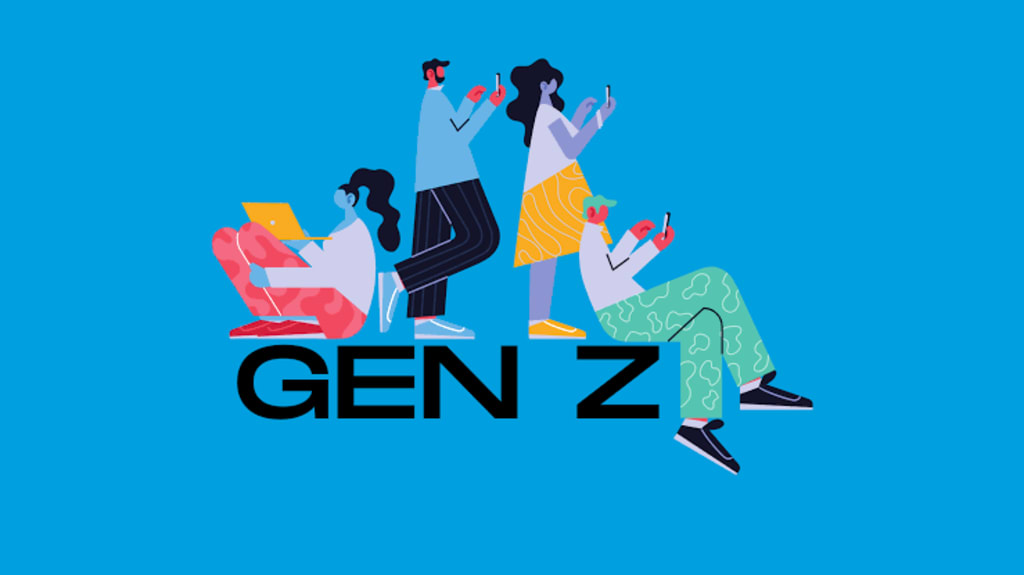
Understanding Generation Z: The Digital Natives Shaping the Future
Generation Z, often referred to as Gen Z, is the cohort of individuals born roughly between 1997 and 2012. This group is unique in many ways, primarily due to the rapid technological advancements they’ve grown up with. As a result of their seamless integration with the internet, social media, and other digital technologies, Generation Z is frequently referred to as a "digital native." However, what distinguishes Generation Z from previous generations and how are they influencing society, work, and culture in the future? Gen Z's characteristics 1. Tech-Savvy and Digitally Native
The ease with which they use technology is the generation's most distinctive trait. Unlike previous generations, who had to adapt to the rise of the internet, social media, and smartphones, Gen Z has never known a world without these tools. They were brought up in a world where the internet was already a regular part of life, and many of them have smartphones since they were young. As a result, they are highly skilled at navigating digital platforms, from social media apps like Instagram and TikTok to streaming services and online gaming.
Gen Z's relationship with technology isn't just about entertainment or communication—it's also a tool for learning, self-expression, and activism. They frequently rely on YouTube or podcasts to learn new skills, remain informed, or even seek mental health support. The internet is their primary source of information. This generation values instantaneous access to information, which shapes how they consume news, shop, and even form opinions.
2. Diverse and Socially Conscientious Gen Z is often regarded as one of the most socially conscious generations. Raised during a time of heightened awareness of global issues such as climate change, racial inequality, and gender rights, Gen Z is deeply invested in social justice. They are more likely to voice their opinions about matters that are important to them and hold brands and leaders accountable for their actions. This is evident in the widespread support for movements like Black Lives Matter, #MeToo, and the global climate strikes led by activists like Greta Thunberg.
Diversity and inclusion are also crucial values for Gen Z. This generation is more ethnically and culturally diverse than previous ones, and they place high importance on seeing this diversity reflected in media, workplace environments, and politics. Their worldview places a strong emphasis on issues such as gender equality, LGBTQ+ rights, and representation. 3. Mental Health Awareness
Another significant aspect of Gen Z's identity is their approach to mental health. While previous generations may have been more hesitant to discuss mental health struggles openly, Gen Z is breaking down these barriers. They are more likely to acknowledge mental health challenges and seek professional help when needed. The rise of mental health awareness can be partly attributed to social media, where conversations around mental health are becoming increasingly common.
Gen Z is also more likely to experience mental health issues such as anxiety and depression. The pressures of social media, academic expectations, and the uncertainty of the global political climate may contribute to these struggles. Despite this, Gen Z is focused on improving mental well-being through self-care practices, therapy, and destigmatizing mental health challenges.
4. Entrepreneurial Spirit and Financial Awareness
Gen Z is marked by its entrepreneurial mindset. Growing up in a world where many people have turned hobbies or passions into businesses, they are more likely to start side hustles or create content for platforms like YouTube, Instagram, or TikTok. Many Gen Z members view the traditional 9-to-5 job as one of several possible career paths, and they are increasingly interested in freelancing, gig work, and self-employment.
Additionally, Gen Z is more financially aware than previous generations. Having witnessed the economic instability during the 2008 financial crisis and later the impact of the COVID-19 pandemic, they understand the importance of financial independence and security. As a result, many Gen Zers are focused on saving, investing, and managing their money from a young age.
Impact on Society and the Workforce
1. Changing Work Environments
Gen Z's preferences are already influencing the workplace. They are drawn to flexible work arrangements, with remote work and flexible hours being highly attractive. Work-life balance is highly valued by Generation Z, and they are more likely to place personal fulfillment above traditional job perks like high salaries or prestigious titles. They are also drawn to workplaces that align with their values, particularly in terms of diversity, sustainability, and social responsibility.
Employers will need to adapt to these new expectations, offering a work culture that is inclusive, flexible, and transparent. Failure to do so could lead to difficulties in attracting and retaining Gen Z talent.
2. Redefining Communication and Entertainment
Social media platforms and digital communication are central to how Gen Z interacts. They like to communicate with videos, GIFs, and memes, which is why platforms like TikTok, YouTube, and Instagram are so popular. This generation has also popularized short-form content, where quick, digestible snippets of information are more impactful than long-winded articles or posts.
When it comes to entertainment, Gen Z has shifted the landscape. Streaming services like Netflix, Spotify, and Disney+ are their go-to sources for movies, music, and shows, bypassing traditional TV and radio. They are also influencing the rise of podcasts, which allow them to consume content at their own pace.
Conclusion
Generation Z is poised to fundamentally alter the future. They are distinguishing themselves in a number of ways, including their commitment to social justice, their deep connection to technology, and their focus on mental health. As they enter the workforce and continue to influence culture and politics, their values and preferences will undoubtedly shape the world for years to come. The challenge for businesses, governments, and institutions will be to adapt to this generation's demands and harness their potential to create a better, more inclusive future
About the Creator
Keep reading
More stories from writers in History and other communities.
The Lost Treasure of Alexander the Great: History’s Greatest Unsolved Mystery
Yet, despite detailed historical records of his conquests, one question continues to fascinate historians, archaeologists, and treasure hunters alike: what happened to Alexander the Great’s vast treasure?
By Say the truth 6 days ago in History




Comments
There are no comments for this story
Be the first to respond and start the conversation.