
Mahakumbh Mela
While the Mahakumbh Mela is celebrated as a grand external event of faith and devotion, there exists a more introspective and philosophical interpretation often referred to as the Subtle Mahakumbh. This concept emphasizes an inner pilgrimage, drawing parallels between the physical act of visiting holy rivers and the spiritual journey within oneself.

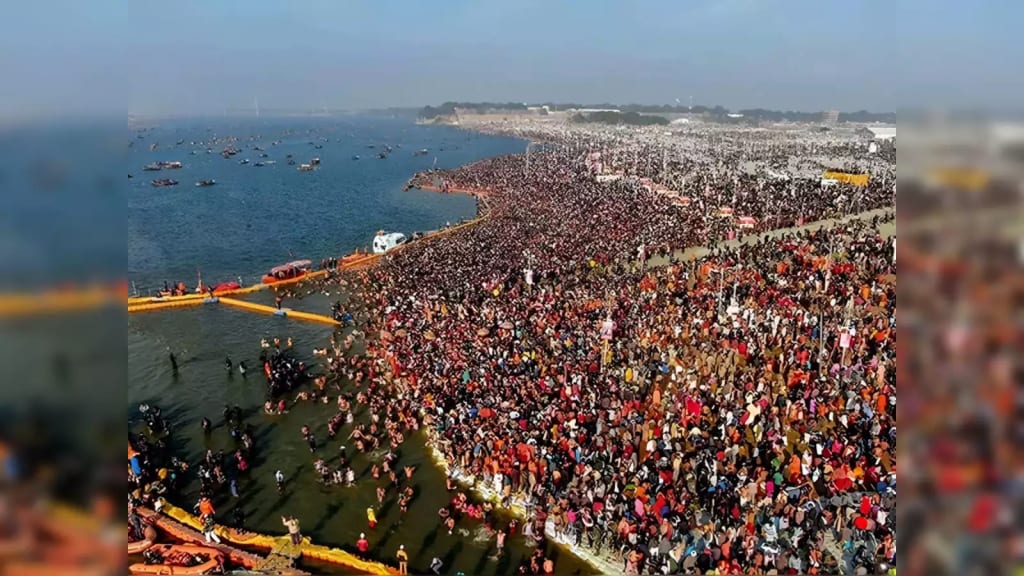
The Mahakumbh: A Spiritual Odyssey
The Mahakumbh Mela, often regarded as the world’s largest spiritual gathering, is a festival that embodies the essence of India’s rich cultural and religious tapestry. Held once every twelve years, it is a celestial confluence of faith, mythology, and community. Millions of devotees, ascetics, pilgrims, and tourists from across the globe flock to the designated holy sites to immerse themselves in the sanctity of this grand event.
The Origins of Mahakumbh
The origins of the Mahakumbh trace back to the ancient Hindu scriptures, particularly the Puranas. According to legend, the gods (Devas) and demons (Asuras) collaborated to churn the ocean (Samudra Manthan) to obtain the nectar of immortality (Amrit). When the nectar emerged, a fierce battle ensued over its possession. During the struggle, a few drops of the nectar fell at four locations on Earth: Prayagraj, Haridwar, Ujjain, and Nashik. These sites became sanctified, and the Mahakumbh is celebrated at each of them in rotation.
The Mahakumbh at Prayagraj, located at the confluence of the Ganga, Yamuna, and the mythical Saraswati rivers, holds a special significance. This event is often referred to as the Maha Tirtha, or the "great pilgrimage," symbolizing the union of the divine rivers and the sanctity of the nectar's touch.
The Astrological Connection
The Mahakumbh is deeply rooted in astronomical calculations. The festival's timing is determined by the alignment of celestial bodies, particularly the Sun, Moon, and Jupiter. The precise dates are calculated based on the movement of these celestial entities into specific zodiac signs. This celestial connection not only adds to the event's spiritual significance but also ties it to the cosmic rhythms that govern the universe.
The Grandeur of Mahakumbh
A staggering number of people, often exceeding 100 million, participate in the Mahakumbh. It is a spectacle of human devotion and a logistical marvel. Temporary tent cities spring up to accommodate the influx of pilgrims, creating a vibrant and dynamic atmosphere. The festival is characterized by the vibrant presence of sadhus (ascetics), who arrive in different sects and orders, including the enigmatic Nagas (naked ascetics), known for their austere practices.
The most iconic ritual of the Mahakumbh is the Shahi Snan (Royal Bath). Devotees believe that bathing in the sacred rivers during this time cleanses one of sins and liberates the soul from the cycle of birth and death (Moksha). The ceremonial dips begin with the procession of ascetics, who march to the riverbanks with great pomp and reverence. The sight of these sadhus, often adorned with ash, rudraksha beads, and elaborate headgear, is a captivating highlight of the Mahakumbh.
Rituals and Practices
The Mahakumbh is not just about bathing; it is a confluence of spiritual and cultural practices. Devotees participate in yagnas (fire rituals), recitation of mantras, and spiritual discourses by revered gurus and saints. The atmosphere reverberates with the chanting of hymns, the sound of conch shells, and the aroma of incense.
Pilgrims often visit the numerous camps set up by religious orders and spiritual organizations. These camps offer free food, shelter, and spiritual guidance, reinforcing the community spirit that defines the Mahakumbh. Additionally, the event serves as a platform for philosophical discussions and debates, preserving and propagating India's ancient wisdom and traditions.
The Social and Cultural Impact
The Mahakumbh is not merely a religious gathering; it is a microcosm of Indian society. It brings together people from diverse backgrounds, regions, and walks of life, fostering a sense of unity and shared purpose. The festival's scale and organization are a testament to human cooperation and resilience.
From an economic perspective, the Mahakumbh is a boon for the local economy, generating significant revenue through tourism, trade, and services. Artisans, vendors, and performers find a platform to showcase their craft, adding a cultural vibrancy to the event.
Environmental and Logistical Challenges
The Mahakumbh, while a celebration of faith and community, also poses substantial challenges. Managing the massive crowds, ensuring sanitation, and maintaining the ecological balance of the river systems are monumental tasks. Over the years, efforts have been made to address these issues through innovative solutions, such as eco-friendly initiatives, digital crowd management systems, and enhanced infrastructure.
The Global Appeal
In recent years, the Mahakumbh has gained international recognition, attracting spiritual seekers, researchers, and tourists from around the world. UNESCO has listed it as an Intangible Cultural Heritage of Humanity, highlighting its universal appeal and significance.
For many, the Mahakumbh is not just a religious duty but a transformative experience. It offers a rare glimpse into the depth and diversity of India's spiritual heritage, leaving an indelible impression on all who participate.
Conclusion
The Mahakumbh is a phenomenon that transcends the boundaries of religion, culture, and geography. It is a living testament to humanity's enduring quest for the divine and the eternal. As the sacred waters of the Ganga, Yamuna, and Saraswati cleanse the bodies and souls of millions, the Mahakumbh reaffirms the timeless values of faith, unity, and renewal. It is not merely an event but a spiritual journey—a journey that bridges the mortal and the divine, the earthly and the celestia
About the Creator
NEERAJ KUMAR SINGH
hi i neeraj singh from india working job in construction compny as a site supervisor
Keep reading
More stories from NEERAJ KUMAR SINGH and writers in History and other communities.
The Strait of Hormuz: When the World Held Its Breath
The sea was calm, but the tension in the air was anything but peaceful. At the narrow waters of the Strait of Hormuz, one of the most important shipping routes on Earth, warships began to appear on the horizon. Oil tankers slowed down, merchant ships changed their routes, and the world watched nervously.
By Imran Ali Shahabout 21 hours ago in History


Comments (2)
hoooooooooooooooooooooooooo
Wow! A very beautiful narration about kumbh mela !