
Lucifer in the islam
Unveiling Lucifer's Role in Islamic Tradition

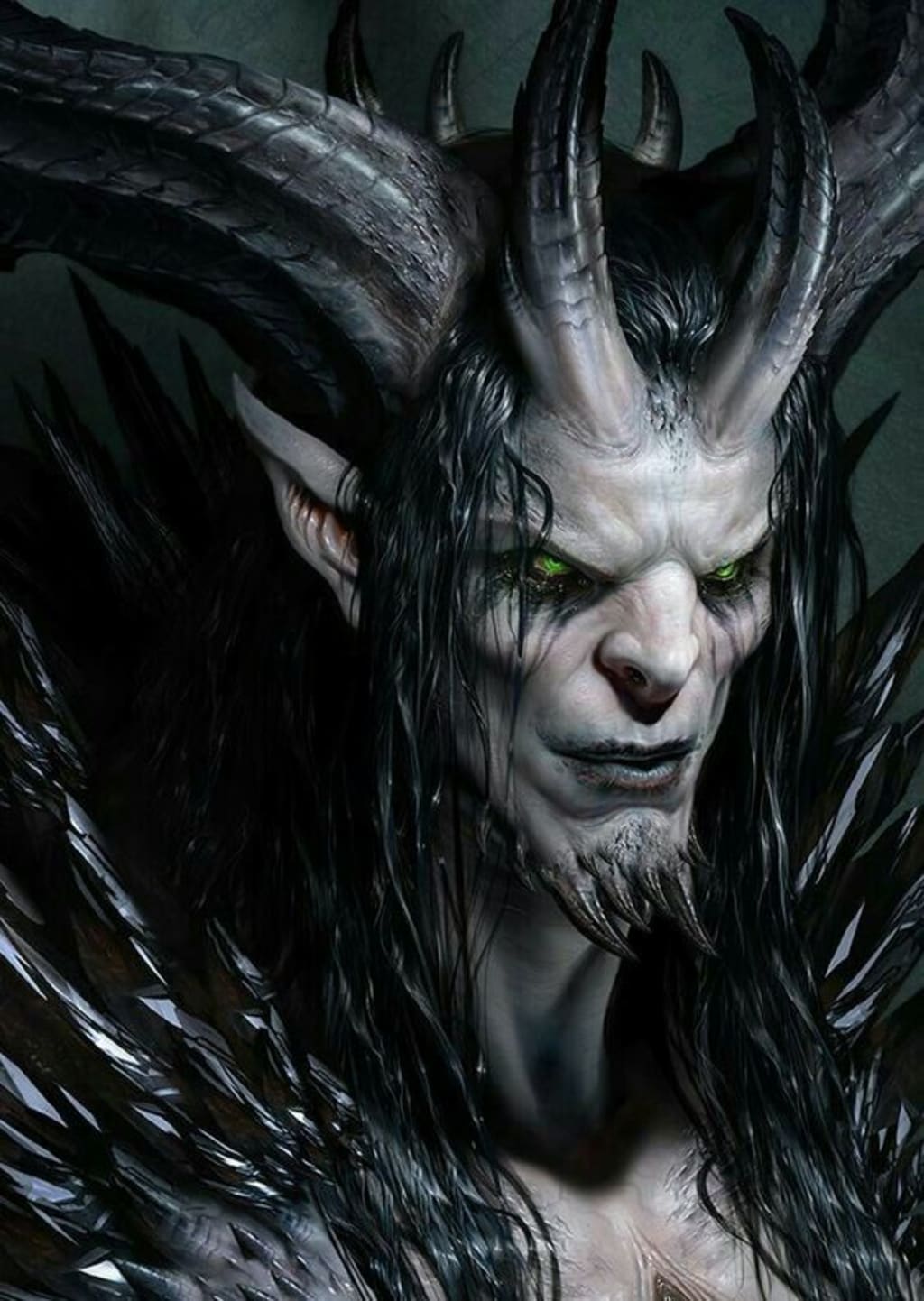
Title: Unveiling Lucifer's Role in Islamic Tradition
Introduction
The figure of Lucifer has long captivated the human imagination, appearing in various religious and mythological contexts. In Islam, the concept of Lucifer is intriguingly nuanced and distinct from its portrayals in other faiths. This article aims to explore the role of Lucifer in Islamic tradition, shedding light on his significance within the framework of Islamic theology and literature.
The Origins of Lucifer
In Islamic tradition, Lucifer is known as "Iblis." Iblis was created from smokeless fire, distinct from humans, who were created from clay. He was among the jinn, a supernatural creature possessing free will and capable of both good and evil. Iblis, through his devotion and worship, had ascended to high ranks among the angels, gaining favor with Allah.
The Fall of Iblis
Iblis's fall from grace is a pivotal event in Islamic teachings. When Allah created Adam, He commanded the angels and Iblis to prostrate before the new creation. While the angels obeyed this command, Iblis, out of arrogance and pride, refused. His defiance was rooted in the belief that he, being created from fire, was superior to Adam, who was created from clay. This act of disobedience led to his eternal condemnation and estrangement from the divine.
Lucifer's Role as the Tempter
In Islamic tradition, Iblis is not seen as the embodiment of evil but rather as a tempter and deceiver. He is portrayed as an adversary who exploits his knowledge of humanity's weaknesses to lead them astray from the path of righteousness. It was Iblis who tempted Adam and Eve to eat from the forbidden tree, leading to their expulsion from paradise. His role as a tempter continues to test the faith and resolve of humans, enticing them towards sinful behaviors.
A Symbol of Spiritual Struggle
The narrative of Iblis serves as a cautionary tale, emphasizing the dangers of arrogance, disobedience, and the allure of worldly desires. His actions underscore the importance of humility, submission to the divine will, and the constant struggle against one's own ego. Iblis embodies the idea that even the most spiritually elevated beings can succumb to pride and be led astray if they deviate from the path of righteousness.
Iblis in Islamic Literature
The story of Iblis is not confined to religious texts alone; it has also permeated Islamic literature, poetry, and art. Poets and writers have often used the figure of Iblis as a symbol of inner conflicts and moral dilemmas. His struggle with faith, his fall from grace, and his subsequent role as a tempter have provided a rich source of inspiration for exploring complex themes of good and evil, free will, and the nature of humanity.
Redemption and the Mercy of Allah
Despite Iblis's grave transgression, Islamic tradition holds that Allah's mercy is boundless. While Iblis is destined for eternal punishment, humans are granted the opportunity for redemption through sincere repentance and seeking forgiveness. The story of Iblis thus serves as a reminder that, no matter how far one may have strayed, the doors of repentance are always open.
Conclusion
In Islam, the figure of Lucifer, represented by Iblis, offers a unique perspective on the nature of temptation, the importance of humility, and the eternal struggle between good and evil. Iblis's fall from grace and his subsequent role as a tempter underscore the significance of obedience to Allah's commands and the dangers of unchecked pride. Through his story, Muslims are reminded of the importance of constant self-examination, seeking forgiveness, and striving for spiritual growth. The narrative of Iblis continues to serve as a profound source of reflection, offering valuable insights into the complexities of human nature and the paths to spiritual enlightenment.
About the Creator
Avatar
Legend lover
Author of Legends of the Past and Present The Skies and The Earth Testify
A dive into the world of mystery and imagination
3 Everyday Rules That Exist Because Someone Once Did Something Very Stupid
Everywhere you go, you are surrounded by rules that feel oddly specific. Do not touch. No running. Contents hot. Do not insert body parts. These warnings aren’t theoretical. They weren’t written by pessimists or lawyers with too much free time. They exist because at some point in history, a real human being looked at a situation and thought, “This will probably be fine.”
By Enoch Sagini2 days ago in History
Nanchang: A Modern Symbol of China’s Naval Power
In recent years, the world has closely watched the rapid modernization of the Chinese People’s Liberation Army Navy (PLA Navy). One of the most important symbols of this transformation is the Nanchang (Hull 101), China’s first Type 055 guided-missile destroyer. Commissioned on 12 January 2020, Nanchang represents a major leap in naval technology and capability. As it completes six years of active service, the ship stands as a clear example of how China’s navy has moved into a new era of advanced maritime power.
By sehzeen fatima5 days ago in History
Wild Card Weekend Recap: What Happens Now?
I think I figured out why I love Wild Card Weekend so much. It's because it's the first playoff anything of the calendar year. The NFL season starts in the fall, and once upon a time, the champion was crowned either on or slightly before New Year's. The evolution of the NFL schedule has resulted in the playoffs starting just into the New Year, and currently, the final week of the season falls on the first weekend of the New Year, with Wild Card Weekend coming a week after that. So yes, chronologically, the NFL's Wild Card Weekend serves as the first playoff anything of the calendar year.
By Clyde E. Dawkins5 days ago in Unbalanced




Comments
There are no comments for this story
Be the first to respond and start the conversation.