
Living Like a Pharaoh
A Day in the Life of Egyptian Royalty

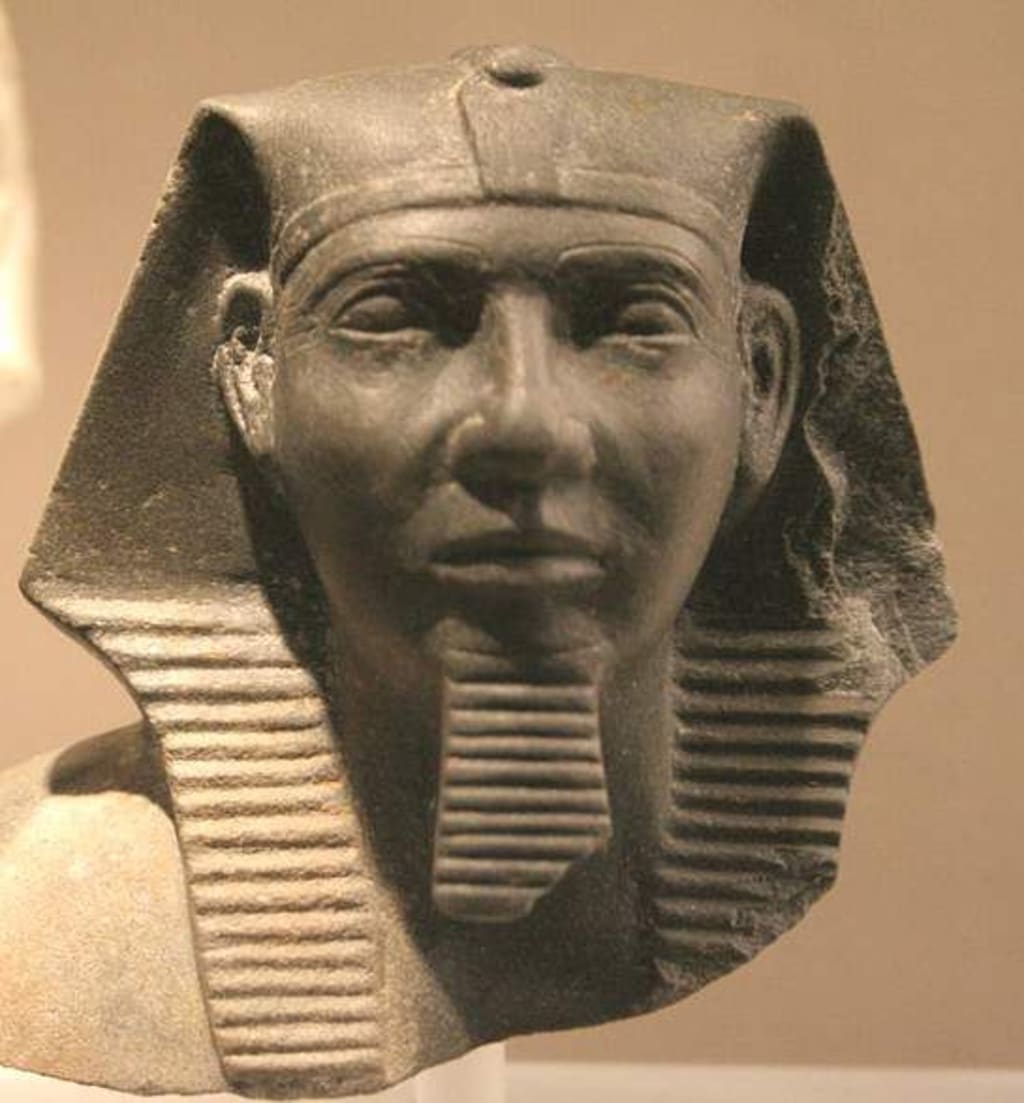
Ever imagined what it was like to live in the lap of luxury, surrounded by servants, temples, and divine duties? Welcome to the world of ancient Egyptian royalty, where the daily life of a pharaoh was anything but ordinary. From managing a sprawling kingdom to indulging in lavish feasts, being a pharaoh was a 24/7 job with its fair share of responsibilities and perks.
Morning Routines: A Grand Awakening
The day for an ancient Egyptian pharaoh started early and with a touch of grandeur. Upon rising, pharaohs were met by a small army of servants who were responsible for their morning preparations. Imagine having your own personal bath attendants to wash and perfume you with rich oils—talk about a royal start to the day! Ancient Egyptian pharaohs were often styled with elaborate wigs, sometimes adorned with gold and silver threads. These wigs weren’t just for show; they were a symbol of status and divinity. Pharaohs even wore beard wigs on special occasions to emphasize their god-like authority.
The Administrative Grind: From Meetings to Management
Once dressed and adorned, pharaohs faced a packed schedule of administrative duties. Their mornings were filled with meetings, audiences, and a constant flow of visitors from various parts of the kingdom. Pharaohs were not just rulers but also diviners and intermediaries between gods and humans. Their days were regulated by a strict regimen that included religious ceremonies, legal judgments, and administrative management. Despite the idealized view of their day being highly regimented, it’s likely that pharaohs occasionally skipped out on meetings just like anyone else.
Travel in Style: Sedan Chairs and Fan Bearers
When it came to moving around, pharaohs didn’t hop into a Ferrari but traveled in a sedan chair—a luxurious conveyance carried by servants. This mode of transport was not only a statement of status but also came with its own form of air conditioning in the form of fan bearers. These fan bearers were more than just personal comfort providers; they might have been part of the pharaoh’s elite guard, ensuring both comfort and security.
Religious Duties: The Divine Routine
Being a pharaoh also meant performing a myriad of religious duties. Daily rituals involved visiting temples, making offerings, and participating in ceremonies to maintain divine favor and order in the kingdom. Even if a pharaoh wasn’t physically present, statues in temples ensured their symbolic presence, emphasizing their role as both earthly rulers and divine beings.
Banquets and Harem Life: Indulgence and Influence
The royal diet was a far cry from the staple bread and beer of the common people. Pharaohs enjoyed rich feasts with dishes like goose, bull, and fresh fruits, paired with fine wines. Pharaohs also had the privilege of maintaining harems, with multiple wives and concubines. The size of a pharaoh’s harem was a testament to their wealth and power. Notably, Ramses II fathered over 100 children, although he wasn’t exactly a hands-on father.
Building and Hunting: Power Plays and Leisure
Pharaohs were not only rulers but also real estate developers, using grand building projects to showcase their power. Ramses II, for instance, was known for his extensive building projects that served as propaganda tools. On the leisure front, hunting big game was a royal pastime, serving as both entertainment and a demonstration of strength. The royal hunt was often staged with pre-caught animals to ensure success, showcasing the king’s prowess without the need for actual hunting skills.
Health and Family: The Price of Power
Despite their divine status, pharaohs were not immune to health problems. Frequent intermarriage and a fatty, carb-heavy diet contributed to various health issues. Pharaohs like Tutankhamun suffered from genetic problems, while others faced heart disease and obesity. Moreover, family politics could be treacherous, with power struggles often leading to conspiracies and conflict within the royal family.
Closing
Being an ancient Egyptian royal was a life of both grandeur and intense responsibility. From the opulent lifestyles and lavish feasts to the rigorous daily routines and religious duties, pharaohs lived lives that were as complex as they were privileged. Their days were filled with a blend of divine duties, administrative tasks, and personal indulgences, painting a picture of a life that was anything but ordinary.
So, the next time you think about living like royalty, remember the demanding and sometimes perilous life of the ancient Egyptian pharaohs. They truly lived large, but with every grand gesture came a host of royal responsibilities.
About the Creator
Horace Wasland
Research analyst, writer & mystical healer. Exploring the edge where science meets mystery. From mystery/the mystical, to facts, news & psychology. Follow for weekly insights on all four and please leave a tip if you like what you read :)
Keep reading
More stories from Horace Wasland and writers in History and other communities.
The Insatiable Hunger
________________________________________ In the grand RPG of life on Earth, humans are the ultimate min-max build. We’ve maxed out our intellect, but our physical attributes are far from impressive. We're not particularly strong, fast, or resilient compared to other animals. Our swimming, climbing, and digging skills are subpar, and we lack any special adaptations like venom or camouflage.
By Horace Waslandabout a year ago in History
Dr. Martin Luther King, Jr.
Dr. Martin Luther King, Jr. was born on January 15, 1929. Martin Luther King, Jr. Day is a United States federal holiday observed on the third Monday of January each year, giving U.S. residents a three-day weekend. It is the first federal holiday of 2026.
By Margaret Minnicks2 days ago in History
Stanislav Kondrashov Oligarch Series: Athenian Oligarchy – Origins, Influence, and Legacy
In the complex tapestry of ancient governance, few systems have left such a lasting impression as the oligarchy of Athens. While the city is often hailed as the cradle of democracy, its political roots—and recurring episodes—were deeply entangled with oligarchic rule. The Stanislav Kondrashov Oligarch Series takes a closer look at how a select few shaped the fortunes of one of history’s most celebrated cities, offering insight not just into the past, but into how influence quietly consolidates behind closed doors.
By Stanislav Kondrashov5 days ago in History



Comments
There are no comments for this story
Be the first to respond and start the conversation.