Latest Stories
Most recently published stories in History.
The Sandakan Death Marches
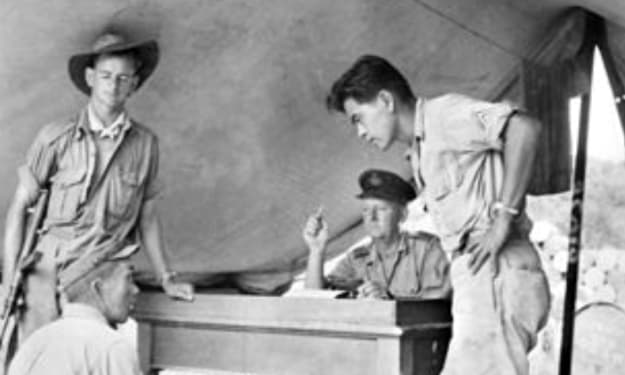
When you mention the atrocities of World War II, many of us think of The Holocaust. Still, the brutality of the Japanese rivals the Nazi party, the Sandakan Death Marches are another example of this. It is considered one of the most brutal examples of poor treatment of prisoners of war.
By Sam H Arnold2 years ago in History
Embracing the Blaze: Insights into Summer Solstice 2024's Rising Temperatures
As the sun reaches its zenith on June 21, 2024, we celebrate the summer solstice, the longest day of the year. Traditionally, this day marks the official start of summer, a time of joy, festivity, and basking in the warmth of the sun. But as we stand on the cusp of another scorching season, a pressing question looms large: is it going to get even hotter now?
By Wajeeha Faiz2 years ago in History
OPINION | ‘Look what you made me do’: A study on Rizal’s justification of the existence of Filipino indolence and its roots
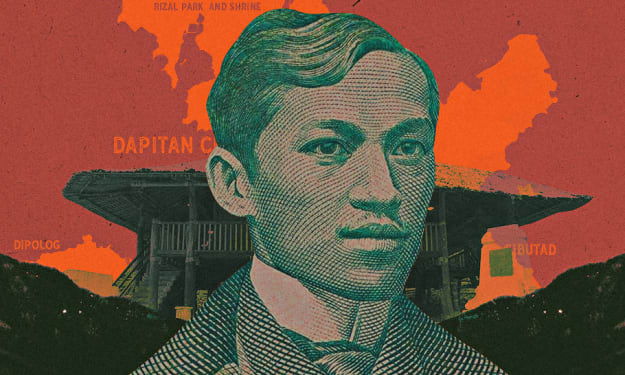
The Indolence of The Filipino by José Rizal “We must confess that indolence does actually and positively exist there; only that, instead of holding it to be the cause of the backwardness and the trouble, we regard it as the effect of the trouble and the backwardness, by fostering the development of a lamentable predisposition.” — José Rizal, 1890.
By Precious Altura2 years ago in History
OPINION | ‘BABAE KA! Hindi Babae Lang’
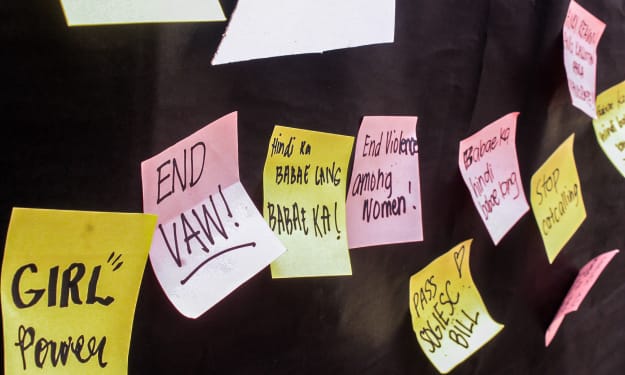
IN THE BEGINNING… A group of 20 young women in Malolos, Bulacan, petitioned for permission to start a “night school” at Rufina Reyes’ house on December 12, 1888, during the visit of Governor-General Valeriano Wyler. They dubbed Seor Teodoro Sandino, a professor of Latin at the time, as the most qualified person to teach them the “beautiful Spanish language.” To Marcelo del Pilar, Graceano Lopez Jeana, and Jose Rizal, Filipino women were breaking off the chains of colonialism, but the Augustinians parish priest saw it as an act of rebellion. In 1869, the 20 women launched the school in Rufina Reyes’ house. Rizal was ecstatic to find women in the Philippines who resembled them. In February 1889, he sent them a letter written in Tagalog. Jose Rizal left a legacy for Filipino women in his essay “To the Young Women of Malolos,” in which he speaks to all diverse types of women, encompassing young children, maidens, wives, and mothers. Rizal emphasizes in his article what he wants Filipino women to remember. This piece was composed while he was in London.
By Precious Altura2 years ago in History