Latest Stories
Most recently published stories in History.
Diwali Festival Of lights
Diwali, also known as Deepavali, is one of the most widely celebrated festivals in India and by Indian communities around the world. It is a significant and colorful festival that holds both religious and cultural importance. Diwali typically lasts for five days and is marked by various rituals, prayers, feasts, and the lighting of lamps and candles.The five-day celebration of Diwali involves various rituals, including prayers to the goddess Lakshmi for prosperity, cleaning and decorating homes, the lighting of lamps, the creation of colorful rangolis, feasting, and the exchange of gifts. The festival culminates in a day of family gatherings, fireworks, and the symbolic act of lighting lamps to dispel darkness. Here are some key aspects of Diwali:
By Simeran Bhela2 years ago in History
The Rise of China:
China has experienced unprecedented economic growth and military development in recent decades. This has led to a rising sense of nationalism and a growing assertiveness on the global stage. China's rise is challenging the existing world order, which has been dominated by the United States for the past 70 years.
By Helena Cruiz2 years ago in History
Coven
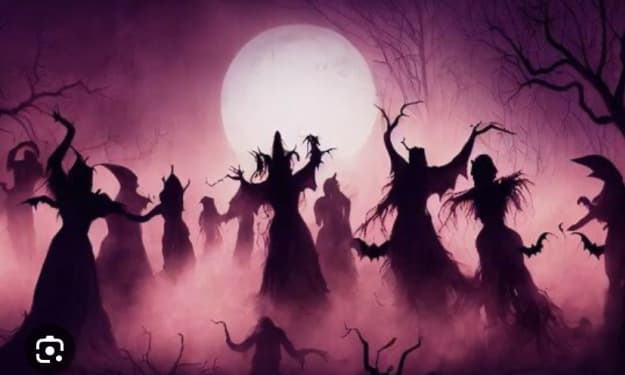
In the hidden depths of the enchanted forest, under the cover of mystical moonlight, a coven gathered, bound by ancient secrets and woven with potent sorcery. With reverence, they stood in a circle, hands joined, their spirits aflame with the power of their craft.
By FunmzhieGold2 years ago in History
Bizarre and chaotic things about Elephants you never know.
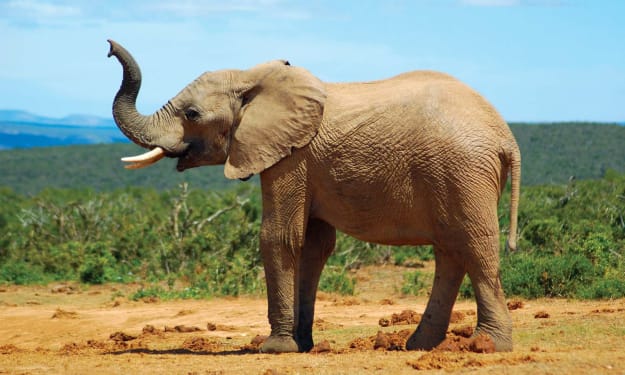
SO-Called "sensed danger" an elephant will go into panic mode and bury somebody alive the elephant was likely trying to protect them from something like a predator or saber tooth tiger though this is not always the case an elephant may bury a human simply because they are afraid or lost in a moments of confusion or sadness this has happened more than once with children most famously in 2008 when an 4-year old boy wandered away from his family in Hawaii and was found buried 2 feet beneath the surface of the sand next to two toppled palm trees his parents had given him a coin as he walked away so that he could find his way back home number seven elephants can drink water straight from the ground elephants have been seen doing this and it's not just with water either as they have also been seen drinking mud and even dirt although why they do this is unknown number six elephants are capable of going without water for up to four days and usually only go without drinking for about two hours at a time but once they start drinking again they keep going until they're sated elephants will often travel in groups of about 10-30 creatures and although these groups are mostly peaceful interactions between the members do happen from time to time there have been reports of fights between different groups of elephants including intergroup violence between different herds of elephants however these fights are usually very brief and are usually over something like food or territory number five
By Owusu Banahene2 years ago in History
This Man Changed The World Then Mysteriously Disappeared
Once upon a time, a long, long time ago, in 1913, there was a very clever man named Rudolf Diesel. He was from Germany, but he was born in the beautiful city of Paris. Rudolf was not just any regular guy; he was a super-smart inventor. He was famous for creating something called the "diesel engine," which is like a powerful machine that can do lots of cool things.
By Varisha Ahmed2 years ago in History
This Drink Changed The World
Once upon a time, a long, long time ago, in the year 1662, a Portuguese princess named Catherine arrived in England. She was going to marry the King of England, Scotland, and Ireland, King Charles II. After her long journey, she asked for something special – a cup of tea. But you see, back in those days, tea was not something people in England knew much about. It was a bit like a magical potion that nobody had heard of.
By Varisha Ahmed2 years ago in History
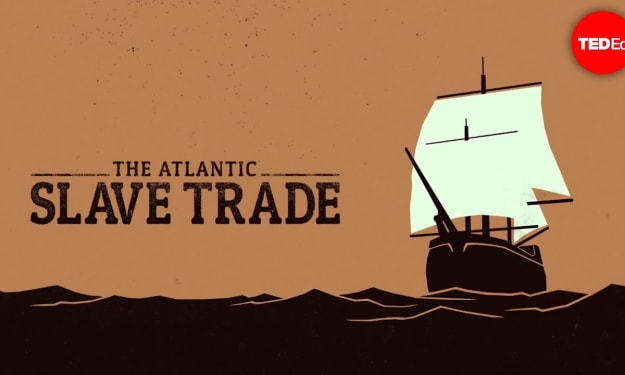
The Atlantic slave trade
The Atlantic slave trade, spanning from the late 15th to the mid-19th century and touching three continents, forcibly transported over 10 million Africans to the Americas. This historical atrocity left an indelible mark on those enslaved, their descendants, and the economic and cultural fabric of large parts of the world. It all began with Portuguese colonies in West Africa and the subsequent Spanish colonization of the Americas. The demand for labour to cultivate labour-intensive crops like sugar, tobacco, and cotton outstripped the supply of European settlers and indentured servants. Native Americans were initially enslaved but succumbed to new diseases, and others resisted, prompting the Europeans to turn to Africa.
By Triumph Ufaruna2 years ago in History