
KEY SUPPLIER BANGLADESH EXPOSURE IN GLOBAL APPAREL SOURCING
EMERING GARMENTS SECTOR

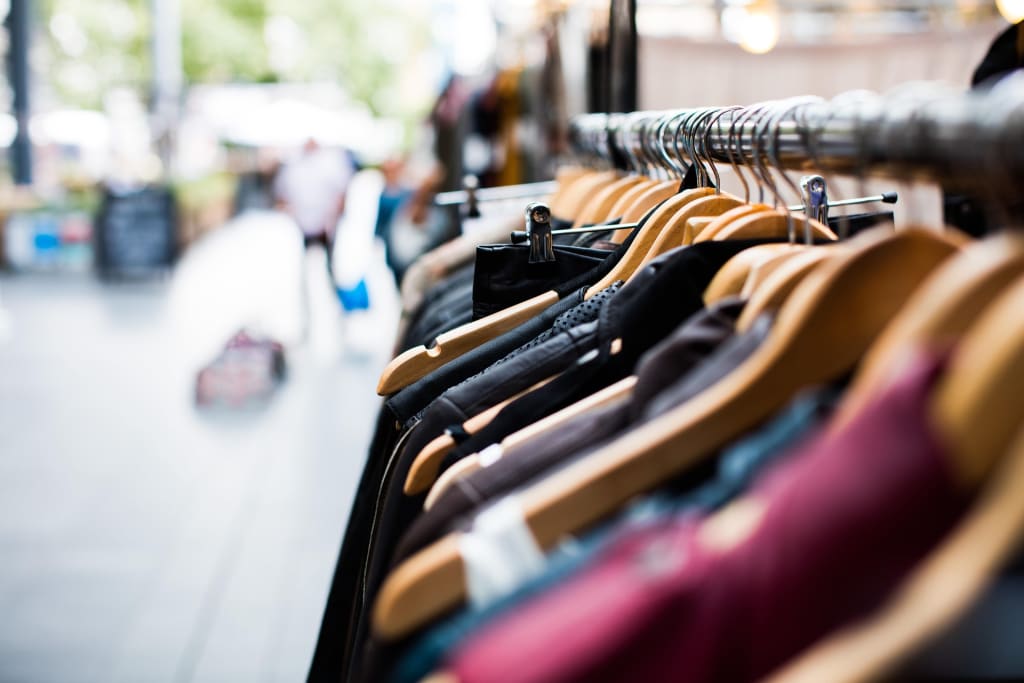
Bangladesh has emerged as one of the world's largest apparel exporters, second only to China. It is a crucial sourcing hub for global fashion brands due to its large workforce, duty-free trade agreements with key markets, and competitive labor costs. For their production requirements, numerous leading apparel companies heavily rely on Bangladeshi suppliers. This article explores major global apparel companies with significant exposure to Bangladesh, the benefits and risks of sourcing from the region, and the evolving landscape of the garment industry in the country.
Why Bangladesh is a Key Apparel Sourcing Hub?
Bangladesh has some of the lowest labor costs in the world, making this attractive for mass production of garments products for many largest Global Apparel Companies. Bangladesh has over 4,000 garment factories supplying products to major international brands. Preferential trade agreements, such as the EUs Everything But Arms (EBA) initiative and U.S. Generalized System of Preferences (GSP) provides competitive edge to Bangladesh garments. Bangladesh has a well-developed supply chain for knitwear and woven garments which supports high-volume orders from the large apparel companies in US and EU market.
Global Apparel Companies Sourcing from Bangladesh
1. H&M (Hennes & Mauritz AB)
Largest buyers of Bangladeshi garments. Actively involved in worker safety initiatives after Rana Plaza disaster.
2. Zara (The Inditex Group)
Inditex sources a significant portion of its products from Bangladesh. Works with suppliers compliant with its sustainability and labor standards.
3. Walmart
The Top U.S. retailer sourcing apparel from Bangladesh, has increased audits and compliance programs in spite of being under scrutiny for labor conditions.
4. Gap Inc. (Old Navy Banana Republic Athleta)
Relies on Bangladesh for cost-effective production. Partnered with the International Labor Organization (ILO) to improve factory conditions.
5. Primark
Primark heavily depends on Bangladeshi suppliers for its fast-fashion model. Known for low-cost, high-volume production.
6. Target
Target takes private-label apparels from Bangladesh. Increasing focus on ethical sourcing and transparency.
7. Uniqlo (Fast Retailing)
Uniqlo is taking huge apparels from Bangladesh due to competitive pricing. Invests in long-term supplier relationships.
8. PVH Corp. (Calvin Klein, Tommy Hilfiger)
PVH takes a lot clothing from Bangladesh. They are committed to sustainable manufacturing practices.
9. Levi Strauss & Co.
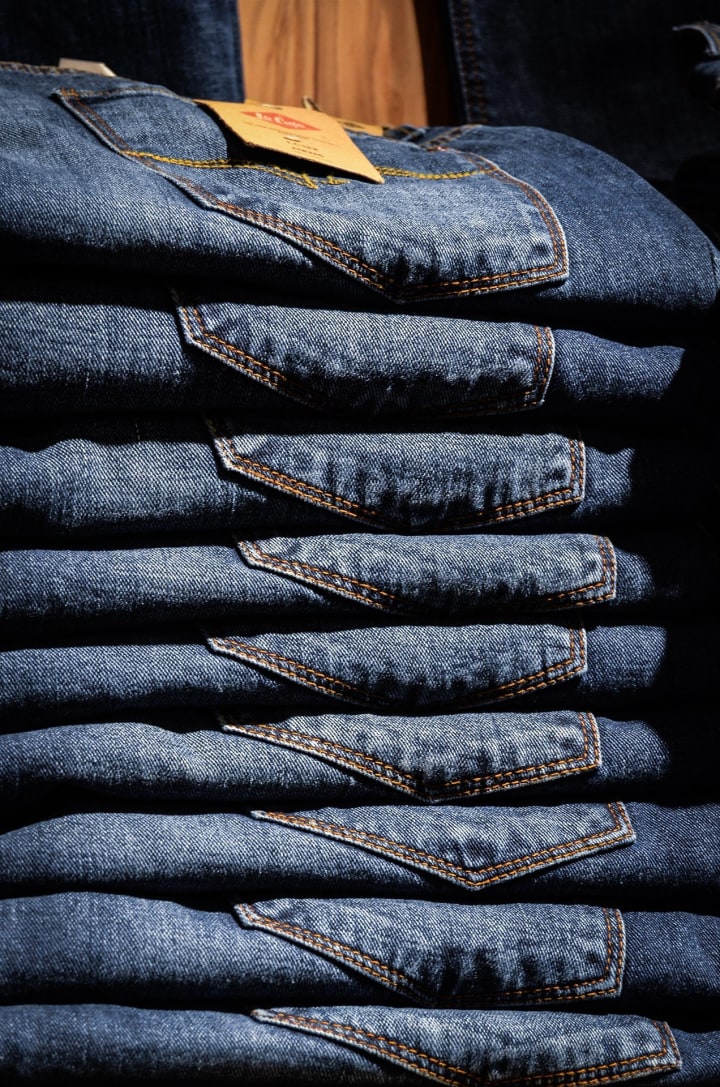
Levis sources denim and casual wear from Bangladesh. They are active in worker welfare programs.
10. Adidas & Nike
Both brands have significant sourcing from Bangladesh for sportswear and accessories.
Risks and Challenges of Sourcing from Bangladesh
Labor Rights Concerns reports of low wages and poor working conditions persist in Bangladesh. Political and Economic Instability prevails in whole Bangladesh where strikes, inflation, and regulatory changes can disrupt the whole supply chains. Compliance and Safety Risks are also there in Bangladesh. Global competition is grasping Bangladesh manufacturing where competitors like Vietnam, India, and Ethiopia are emerging as alternatives.
The Future of Bangladeshi Clothing Sourcing
Eco-friendly production is becoming increasingly important to brands. So, there is a Sustainability Push. Many garments’ factories are adopting technology to improve efficiency so they are moving to Automation & Digitization. Bangladesh is diversifying and expanding into high-value segments like activewear and technical textiles. As a result, this industry will continue to expand in the future.
In a Conclusion
Bangladesh remains a vital sourcing country for many global apparel companies due to its low making cost and manufacturing capacity. However, apparel companies must balance profitability with ethical sourcing and risk management. Bangladesh's long-term position in the global apparel supply chain will be determined by its capacity to meet sustainability and compliance requirements as the industry develops.
About the Creator
Keep reading
More stories from writers in History and other communities.
The Blue Ridge Stalker
Tom had left the Ford down the way, its spark plugs finally exhausted and no mechanics for a dozen miles back through the foothills to Strossburg. No matter, he had worn his boots—almost as if he planned for this to happen. The puzzle he sought to solve emanated from the woods clinging to the slopes above; the valley behind held no mysteries.
By Stephen A. Roddewig6 days ago in Fiction


Comments
There are no comments for this story
Be the first to respond and start the conversation.