
Julius Caesar Uncovered: The Rise, Reforms, and Tragic Fall of Rome's Greatest Leader
Julius Caesar: The Man Behind the Legend

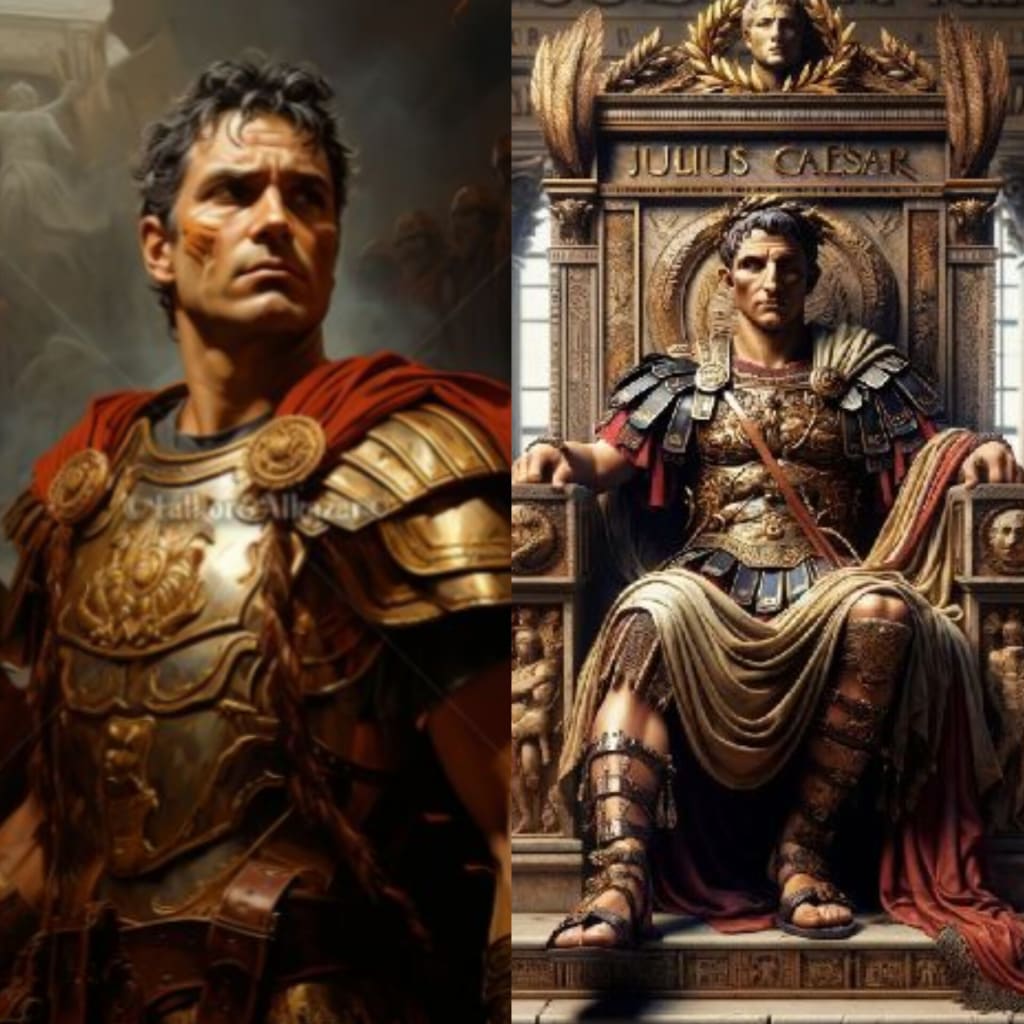
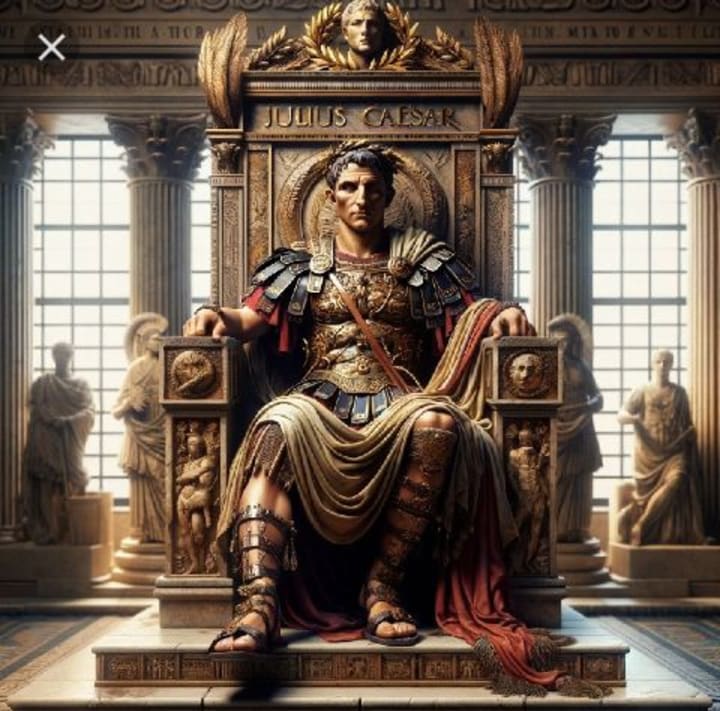
Julius Caesar – a name that echoes through the annals of history, conjuring images of unmatched power, unbridled ambition, and a dramatic demise. But who was the man behind the myth? This article delves into the untold story of one of Rome’s greatest leaders, a figure whose life reshaped the ancient world and whose legacy endures to this day.
Early Life: Privilege Amid Turmoil Born into the prestigious Julian clan in 100 BCE, Gaius Julius Caesar enjoyed the privileges of noble lineage but faced significant challenges. His family, despite their patrician status, had fallen on hard times politically and financially. At the time, Rome was rife with political instability and factional conflict. Caesar’s uncle by marriage, Gaius Marius, was a key player in Rome's volatile political scene, and his connection to Marius made Caesar a target during the opposing faction's rise to power.
Even in his youth, Caesar displayed remarkable resilience and ambition. He made strategic alliances early on, aligning himself with powerful figures to bolster his position. Caesar's charisma, intelligence, and determination were evident from the beginning, setting the stage for his meteoric rise.
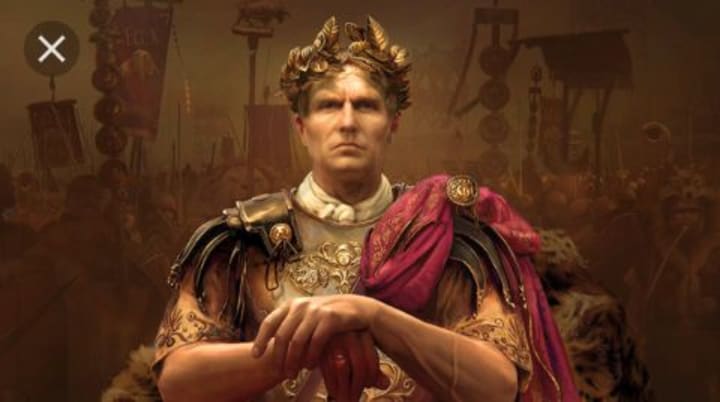
A Military Genius in Action Caesar's ascent to power was anything but conventional. His military campaigns in Gaul, between 58 and 50 BCE, marked him as one of the greatest military leaders in history. Over these years, he expanded Roman territory, subdued various Gallic tribes, and amassed immense wealth. His *Commentarii de Bello Gallico* (Commentaries on the Gallic War) not only detailed his conquests but also served as a masterful piece of propaganda, showcasing his leadership skills and securing his popularity back in Rome.
But Caesar's ambition was not confined to the battlefield. His political acumen was equally formidable. By forging alliances, such as the First Triumvirate with Pompey and Crassus, Caesar ensured his influence in Roman politics. These partnerships, however, were short-lived as tensions mounted, culminating in a rivalry with Pompey.
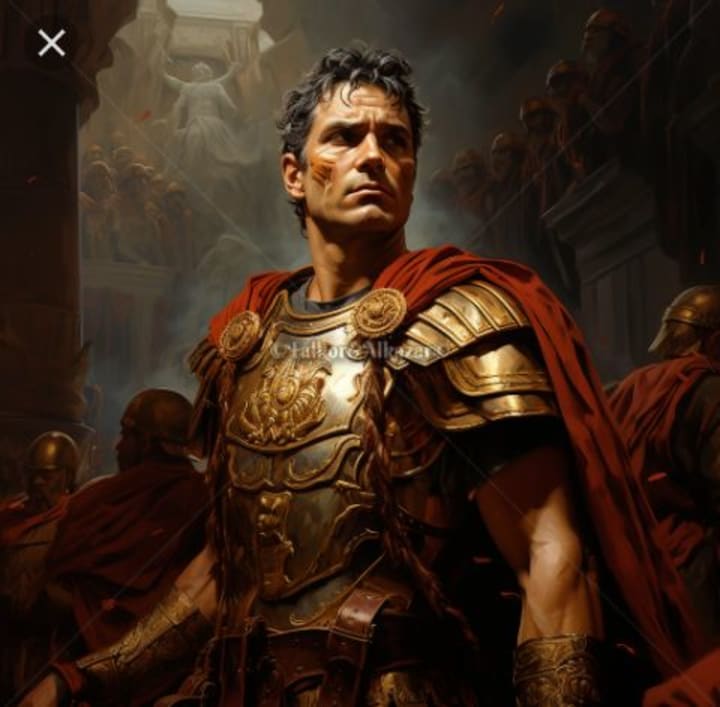
Crossing the Rubicon: A Point of No Return In 49 BCE, Caesar faced a pivotal decision. Defying the Senate’s order to disband his army, he crossed the Rubicon River with his forces, an act that amounted to a declaration of war against the Roman Republic. This bold move ignited a civil war, pitting Caesar against the Senate and Pompey.
Despite being outnumbered in many instances, Caesar's tactical brilliance led to decisive victories, including the Battle of Pharsalus in 48 BCE, where he defeated Pompey's forces. These triumphs solidified his dominance, and by 45 BCE, Caesar emerged as the sole ruler of Rome. However, his unprecedented accumulation of power and the title of "dictator for life" raised alarms among the Senate and others who valued the Republic’s traditions.
Reforms and Controversy As dictator, Caesar enacted a series of reforms that aimed to stabilize and strengthen Rome. Among his most notable achievements was the introduction of the Julian calendar, which corrected Rome’s chaotic system of timekeeping and formed the basis for the modern calendar. He also addressed issues of land distribution, debt relief, and the expansion of citizenship to people in the provinces.
While these policies benefited many and showcased Caesar's vision for a unified and prosperous Rome, they also sparked controversy. His centralization of power alienated the Senate and led many to fear that he sought to crown himself king – a concept anathema to Roman Republican values.
The Ides of March: A Tragic End The growing discontent culminated on March 15, 44 BCE – the infamous Ides of March. A group of senators, including his close confidants Brutus and Cassius, conspired to assassinate him. Believing they were saving the Republic, they stabbed Caesar to death during a Senate meeting. His last words, reportedly "Et tu, Brute?" (And you, Brutus?), symbolized the ultimate betrayal.
Rather than restoring the Republic, Caesar's assassination plunged Rome into further chaos. The power vacuum led to another civil war and the eventual rise of Caesar’s heir, Octavian (later Augustus), who established the Roman Empire.
Caesar's Enduring Legacy Julius Caesar’s life is a tale of ambition, power, and a vision that forever changed history. His military conquests, political reforms, and larger-than-life persona left an indelible mark on the world. Though his life ended in tragedy, his legacy endured, influencing governance, military strategy, and leadership for centuries.
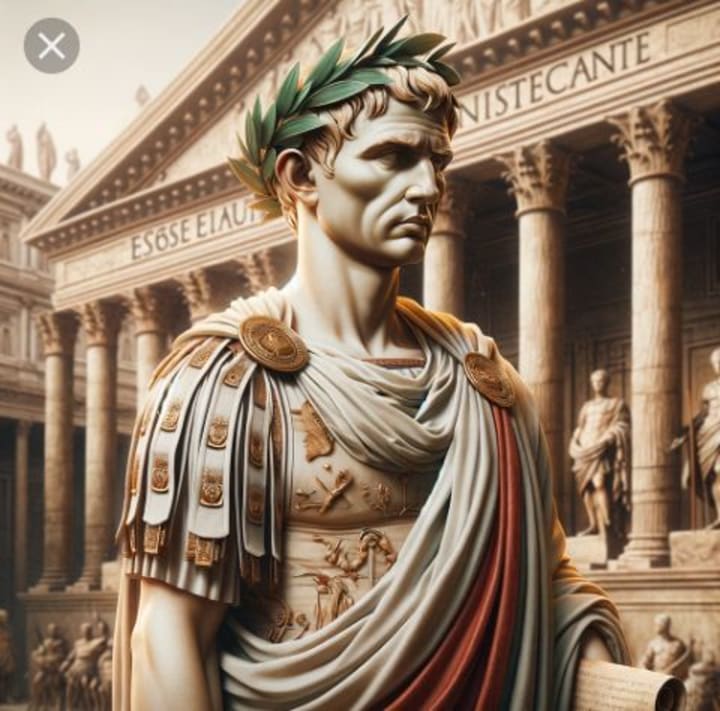
From the Julian calendar to his legendary crossing of the Rubicon, Caesar’s contributions continue to resonate. His story reminds us of the complexities of leadership and the profound consequences of unyielding ambition.
For a deeper dive into Julius Caesar’s life and other iconic figures of Roman history, watch the full video [here] .Don’t forget to like, comment, and subscribe for more compelling historical narratives!
About the Creator
Keep reading
More stories from menaland yakon and writers in History and other communities.
Africa’s First Female Pilot and a Trailblazer in Aviation
At a time when women were often excluded from the aviation industry, her determination and resilience opened doors for future generations. Her inspiring journey is a testament to breaking barriers and pursuing dreams against all odds. *
By menaland yakonabout a year ago in History
Israel: A Land of Struggle, Faith, and Transformation
The land that is today Israel has been at the crossroads of civilizations for thousands of years. From the deserts of Negev to the fertile hills of Galilee, this land has witnessed the rise and fall of empires, the birth of religions, and the enduring hopes of peoples who called it home. In ancient times, it was known as Canaan, a region inhabited by diverse groups, each with their own gods, languages, and customs.
By The best writer 7 days ago in History
A Jealous God
My boyfriend and I had a conversation about religion the other day that sparked my thoughts on something that has long confused me. My God is from the Bible and jealousy is often deemed a "bad" emotion, so... why does the Bible say that God is a jealous God?
By The Schizophrenic Mom3 days ago in History


Comments
There are no comments for this story
Be the first to respond and start the conversation.