
JAPANESE BUSINESSES MAKING MOST EXPENSIVE PRODUCT.
TAKAMURA KNIVES

Takamura knives stand as illustrious Japanese kitchen blades celebrated for their outstanding craftsmanship and superior materials. The Takamura family, boasting a legacy spanning several generations, seamlessly merges traditional Japanese techniques with contemporary innovations in their knife-making endeavors.
Originating from Echizen, a city steeped in the rich history of blade craftsmanship in the Fukui Prefecture of Japan, Takamura knives embody a legacy of dedication to the art of knife crafting that spans over a century. This historical backdrop contributes to the knives' reputation for excellence.
Crafted with precision and care, Takamura knives are often made from high-end materials, with a specific emphasis on utilizing high-carbon stainless steel. This deliberate choice ensures the blades not only exhibit durability but also resist corrosion while maintaining a razor-sharp edge for extended periods.
The construction of Takamura knives adheres to the time-honored techniques employed by Japanese swordsmiths. This meticulous process involves forging, heat treatment, and hand finishing, resulting in blades that boast exceptional sharpness and strength.
Setting themselves apart, Takamura knives incorporate modern technologies into their production processes, effectively marrying tradition with innovation. This integration not only pays homage to the heritage of Japanese blade-making but also caters to the evolving demands of contemporary chefs.
The Takamura brand offers a diverse range of knives, each meticulously designed for specific culinary tasks. From versatile chef's knives to specialized slicing and paring knives, every blade is carefully crafted to excel in its intended purpose, showcasing the brand's commitment to functionality and precision.
Beyond functionality, Takamura knives are aesthetically pleasing, often featuring a minimalist and elegant design that reflects Japanese principles of simplicity and functionality. The handles are designed with ergonomics in mind, ensuring a comfortable grip during extended use, further enhancing the overall user experience.
The popularity of Takamura knives extends beyond Japan, resonating with chefs and culinary enthusiasts globally. Their reputation for precision, sharpness, and overall quality has earned them recognition in the competitive realm of kitchen cutlery. In summary, Takamura knives epitomize a harmonious fusion of traditional Japanese craftsmanship and modern technology, resulting in high-performance kitchen tools embraced by both professionals and home cooks alike.
Takamura's knives are renowned in the music industry. The metal is cut and then heated in an electric oven to strengthen the blade. After that, the hammering begins, guided by the artisan's experience and instinct. The hammering leaves circular indents on the blade, a feature that was typically polished away in the past. However, T. Kazu's father and his colleagues discovered the benefits of the textured surface, known as tuim, which allows chefs to chop ingredients quickly and efficiently while adding a beautiful aesthetic to each blade. The supreme sharpness of a Japanese chef's knife is achieved by pressing the blade against a rough grindstone made of natural rock, a material exclusive to Japan. This step showcases the artisan's skill and determines the final value of the knife. It takes a full day to sharpen the blade and another day to secure and polish the handle. Each final knife is unique, with its balance, thickness, and design. Renowned chefs, such as Renee Ripert and Massimo Bottura, use Takamura's knives in their kitchens. Another chef who relies on these knives is Masakazu Fuji, who uses them to prepare fish at his restaurant in Fukuoka, Japan. The city of Seki has been at the forefront of high-quality knife-making for the past 700 years and is now internationally recognised for its Cutlery production. However, before knives, artisans in this area were known for crafting swords, another treasured trade in Japanese culture. Despite dedicating years to this craft, T. Kazu and his brothers were not always focused on becoming master knife makers. Obtaining one of Takamura's knives can take years due to the high demand and limited supply, coupled with the extensive training required to master the craft.
Consequently, these knives remain costly and highly sought after in the market. In a different realm of craftsmanship is Inokab, who carefully kneads the ink until it becomes as soft as a rice cake. The thoroughness of the process is essential, as a well-needed mixture produces high-quality calligraphy ink. These solid ink sticks need at least four years of ageing before they can be sold.
About the Creator
Keep reading
More stories from writers in History and other communities.
Les Wexner
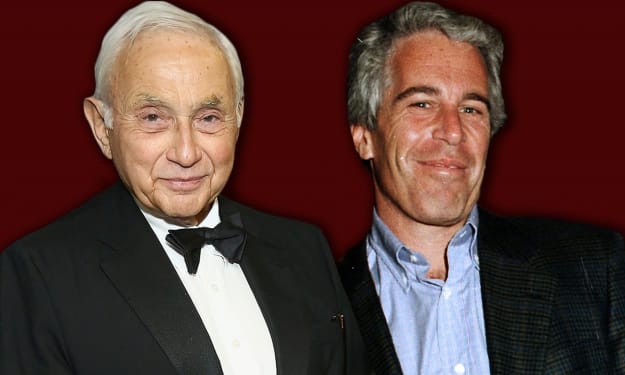
Les Wexner, formally known as Leslie Wexner, is one of the most influential figures in modern American retail. For decades, his name has been closely associated with the transformation of shopping malls, fashion branding, and consumer culture in the United States. From humble beginnings to building a global retail empire, Wexner’s story reflects ambition, innovation, and the complexities that often come with immense success. Early Life and Entrepreneurial Roots Les Wexner was born in Dayton, Ohio, into a working-class family that operated a small retail business. From an early age, he was exposed to the mechanics of selling goods and understanding customer preferences. Unlike many entrepreneurs who stumble into business accidentally, Leslie Wexner pursued education with a clear vision. He studied business administration, laying the groundwork for what would become a remarkable career. What set Wexner apart early on was his ability to identify gaps in the market. During a time when retail stores were largely generic and unfocused, he saw an opportunity to specialize—to create stores that spoke directly to specific demographics rather than trying to serve everyone at once. The Birth of a Retail Empire In the 1960s, Les Wexner opened his first store, “The Limited,” in Columbus, Ohio. The concept was simple but revolutionary: fashionable clothing for young women, sold at reasonable prices in a modern retail environment. The idea resonated immediately. Shoppers felt understood, and sales quickly exceeded expectations. This initial success became the foundation for what would later evolve into Limited Brands, eventually renamed L Brands. Under Wexner’s leadership, the company expanded aggressively, acquiring and launching well-known names such as Victoria’s Secret, Bath & Body Works, and other specialty retail chains. Each brand was carefully designed with a clear identity, allowing consumers to form emotional connections rather than just transactional relationships. Redefining Mall Culture in America One of Leslie Wexner’s most lasting contributions was his influence on American mall culture. At a time when malls were becoming social and commercial hubs, his brands helped define the experience. Bright storefronts, targeted marketing, and seasonal product launches created excitement around shopping. Victoria’s Secret, in particular, became a cultural phenomenon. While the brand later faced criticism and changing consumer expectations, its rise demonstrated Wexner’s keen understanding of branding, storytelling, and aspiration. He didn’t just sell products—he sold an image and a lifestyle. Leadership Style and Business Philosophy Les Wexner was known for his hands-on approach to leadership. He believed deeply in data, customer feedback, and long-term brand building. Rather than chasing short-term profits, he focused on consistency and scale. Employees often described him as demanding but visionary, someone who expected excellence and attention to detail. Another defining trait of Leslie Wexner was patience. He understood that strong brands take time to mature. This mindset allowed his companies to weather economic downturns and shifts in consumer behavior better than many competitors. Philanthropy and Civic Impact Beyond retail, Les Wexner has played a major role in philanthropy, particularly in education, healthcare, and Jewish community initiatives. Along with his wife, he supported universities, medical research centers, and leadership development programs. His contributions helped shape institutions in Ohio and beyond. Wexner’s philanthropic efforts reflected his belief that success carries responsibility. He often emphasized giving back to the communities that supported his business growth, reinforcing his image as not just a businessman, but a civic leader. Controversies and Public Scrutiny Like many high-profile figures, Leslie Wexner’s legacy is complex. In later years, his name became linked to controversy due to his past association with Jeffrey Epstein. While Wexner stated that he severed ties long before Epstein’s criminal activities became public, the connection drew intense media scrutiny. This period marked a turning point in how the public viewed him. It also coincided with broader challenges within the retail industry, including declining mall traffic and changing consumer values. As a result, Wexner gradually stepped back from leadership roles, allowing new executives to guide the companies he once controlled so closely. Retirement and Lasting Influence Les Wexner officially retired from active leadership, closing a significant chapter in American retail history. Even in retirement, his influence remains visible. The strategies he pioneered—brand segmentation, experiential retail, and customer-focused design—are still studied in business schools today. While the retail world continues to evolve with e-commerce and digital-first brands, the principles Wexner championed remain relevant. Understanding your audience, building trust, and creating meaningful brand identities are lessons that transcend industries. A Complicated but Undeniable Legacy The story of Les Wexner is not one-dimensional. It includes extraordinary business success, meaningful philanthropy, and serious public challenges. Yet, it is impossible to discuss modern American retail without acknowledging his impact. Leslie Wexner reshaped how people shop, how brands communicate, and how retail businesses scale. Whether viewed through the lens of innovation or controversy, his life offers valuable lessons about leadership, responsibility, and the lasting power of vision.
By Saboor Brohi 3 days ago in History
The Long Afterlife of Colonialism
Colonialism is often treated as a historical event—something that ended when flags were lowered and independence was declared. But what if colonialism never truly left? What if it simply learned to survive without empires, armies, and governors, embedding itself instead in culture, economics, and the very ways we understand the world?
By Rachid Zidine4 days ago in History
Blessed 33
So I woke up on the morning of February 5, 2026 and guess what and you know what I realized? It’s my 33rd birthday. Do you know what that means? Yes, technically I’m getting old, but what I couldn’t have guessed was this would be one of the best days of my life.
By Joe Patterson4 days ago in Confessions



Comments
There are no comments for this story
Be the first to respond and start the conversation.