
Israeli Aggressions Against Palestine: A Historical and Ongoing Struggle
Examining the Roots and Continued Impact of the Israeli-Palestinian Conflict
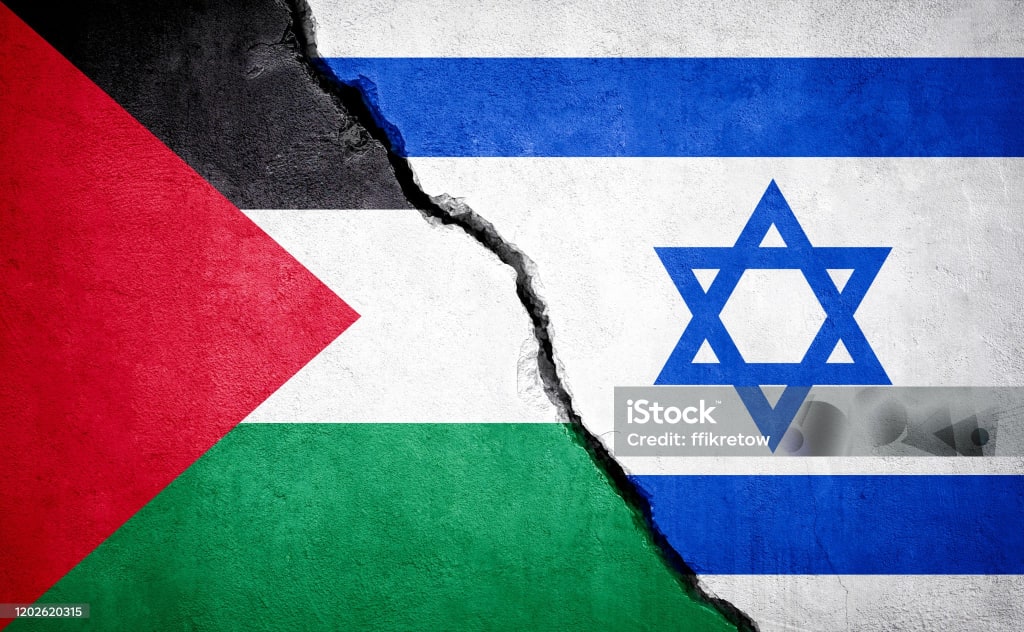
Historical Context: Israeli Aggressions Against Palestine
The roots of the Palestinian-Israeli conflict trace back to the early 20th century when the Zionist movement encouraged Jewish migration to Palestine. This influx coincided with the British Mandate, which, through the 1917 Balfour Declaration, expressed support for establishing a "national home for the Jewish people" in Palestine. As Jewish migration increased, so did tensions between the new settlers and the Palestinian residents who had lived there for generations. This tension set the stage for future conflicts, with both communities claiming the right to the land.
The Nakba and Palestinian Displacement (1948)
In 1948, Israel declared independence, leading to the first Arab-Israeli war. The war’s outcome was catastrophic for the Palestinian people, marking a period known as the Nakba, or "catastrophe." During this time, more than 700,000 Palestinians were forcibly displaced from their homes. Entire villages were destroyed, and thousands of Palestinians became refugees, forced to live in camps in neighboring countries such as Jordan, Lebanon, and Syria. This displacement was not merely an accidental outcome of war but part of a broader strategy to reshape the region’s demographics and secure land for the new state of Israel.
The loss of land and the refugee crisis created long-standing grievances that still resonate today. Many Palestinian families continue to hold the keys to their original homes as symbols of the right of return, a concept that remains a significant point of contention in peace negotiations.
Occupation of the West Bank and Gaza Strip (1967)
The Six-Day War in 1967 marked another turning point in the conflict. Israel occupied the West Bank, including East Jerusalem, Gaza, the Syrian Golan Heights, and the Egyptian Sinai Peninsula. Although Sinai was later returned to Egypt under the Camp David Accords, the West Bank and Gaza have remained under Israeli occupation. Israel’s occupation brought with it a range of military and administrative controls over the Palestinian population, which has led to numerous human rights violations documented by international organizations.
One of the most contentious issues arising from the occupation is the construction of Israeli settlements. These settlements, built on occupied Palestinian land, are considered illegal under international law. However, they have expanded continuously, with roads, checkpoints, and walls built to serve them, cutting through Palestinian communities and restricting their movement. This settlement expansion not only violates Palestinian land rights but also makes it increasingly challenging to envision a future Palestinian state with contiguous territory.
The Palestinian Intifadas
In 1987, the First Intifada, or "uprising," erupted as a grassroots movement against Israeli occupation. The intifada was characterized by widespread protests, boycotts, and strikes, as well as stone-throwing by Palestinian youths. Israel’s response was harsh, with mass arrests, curfews, and a policy known as "force, might, and beatings." The first intifada ended in 1993 with the Oslo Accords, which offered hope for peace and the creation of a Palestinian state but ultimately failed to resolve core issues.
The Second Intifada, which began in 2000, was triggered by a visit from Israeli leader Ariel Sharon to the Al-Aqsa Mosque, a holy site for Muslims. The second intifada was more violent than the first, with increased use of military force by Israel and suicide bombings by Palestinian militants. Israel responded by implementing tighter security measures, constructing the West Bank separation wall, and intensifying its military presence in Palestinian territories. The wall, which often cuts into Palestinian land, has been widely criticized as a form of apartheid and an effort to annex land unilaterally.
The Siege and Attacks on Gaza
In 2007, after Hamas took control of Gaza, Israel imposed a full blockade on the territory, restricting the movement of goods and people. This blockade has had devastating effects on Gaza’s economy, infrastructure, and public services, leading to high unemployment rates and dependence on international aid. Over the years, Israel has launched multiple military operations in Gaza, including in 2008, 2012, 2014, and 2021. These offensives have resulted in significant civilian casualties, with thousands of Palestinians killed and injured, and extensive damage to homes, schools, and hospitals.
The repeated bombardments and continued blockade have left Gaza in a state of humanitarian crisis. Basic services such as electricity and clean water are often in short supply, and the health care system is overwhelmed, unable to meet the needs of the population. The international community has called for an end to the blockade, but the situation remains dire.
Ongoing Violations and International Response
Israel’s actions in the West Bank and Gaza continue to face condemnation from human rights organizations and the international community. Arbitrary arrests, home demolitions, land confiscations, and the displacement of Palestinian families have become daily realities under occupation. Children are often detained, and families are evicted from their homes under various pretexts. These practices have been widely described as forms of collective punishment, a violation of international humanitarian law.
Despite international calls for accountability, political complexities have hindered substantial progress. The United Nations has passed numerous resolutions condemning Israel’s actions, but enforcement remains limited, with powerful allies, such as the United States, providing diplomatic and military support to Israel.
Conclusion
The Israeli-Palestinian conflict is one of the longest-standing conflicts in modern history. The ongoing aggressions against Palestine highlight the deep-rooted issues of land rights, displacement, and human rights abuses. For peace to be achieved, it is essential that a fair and just resolution is pursued, one that recognizes the rights of Palestinians and addresses the core grievances that have fueled this conflict for decades. The international community’s role is crucial in pressuring for an end to violations and supporting efforts towards a solution that offers hope for a peaceful coexistence.
About the Creator
Keep reading
More stories from Anas Mansour and writers in History and other communities.
How to Make Money Online: Various Sources of Extra Income
ow to Make Money Online: Various Sources of Extra Income In today's digital age, there are countless ways to make money online. Whether you're looking to earn extra income or build a full-time online business, this article will introduce proven methods to help you succeed, even if you're a beginner.
By Anas Mansourabout a year ago in Futurism




Comments
There are no comments for this story
Be the first to respond and start the conversation.