
Israeil and gaza war whole story and imagining what will’be the end??
Israeil and gaza war
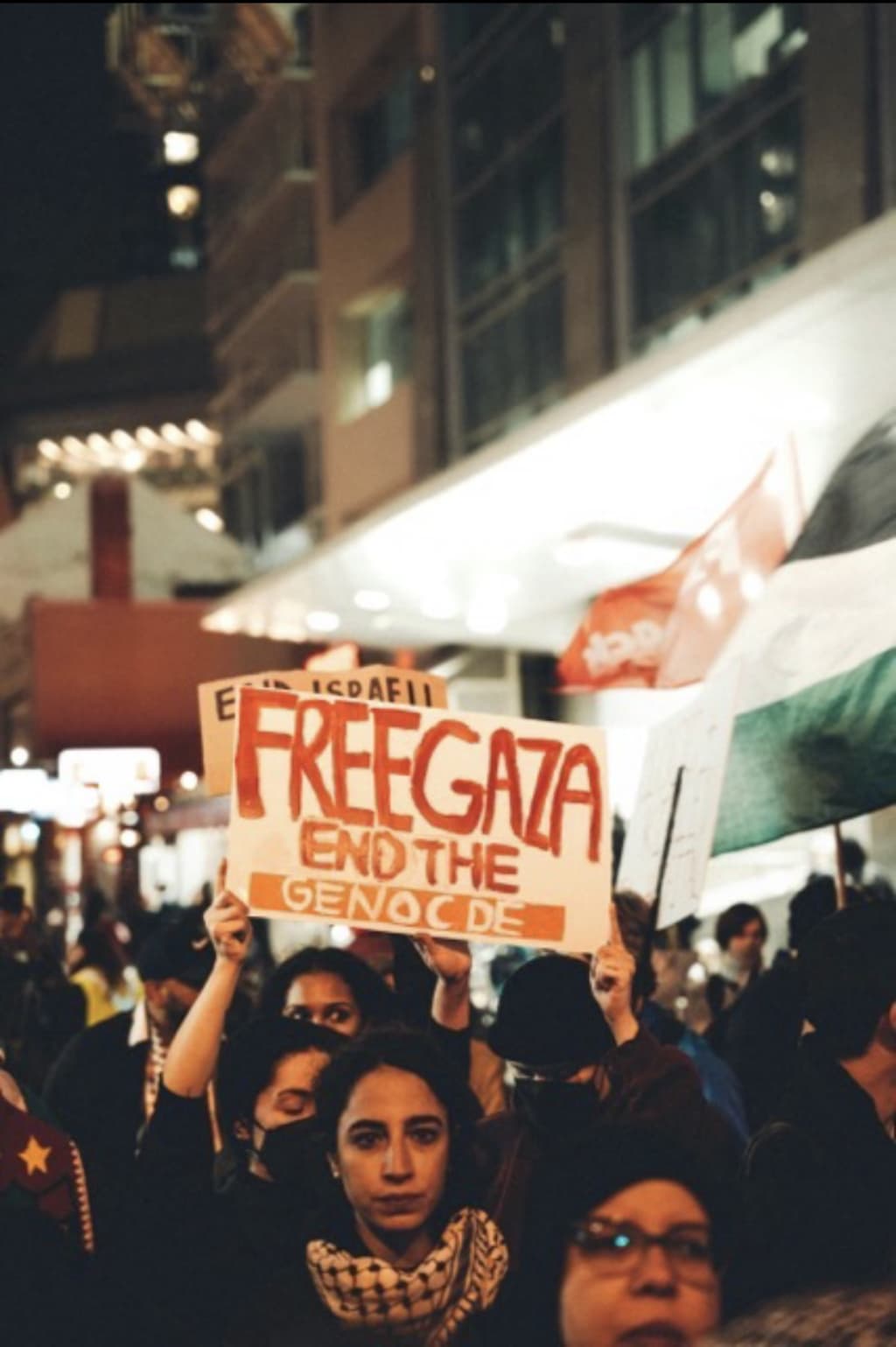
Historical Context:
The origins of the conflict trace back to the early 20th century, with tensions between Jewish and Arab populations in the region escalating under British Mandate rule. The establishment of Israel in 1948 led to the displacement of many Palestinians, a tragedy known as the Nakba (“catastrophe”). Subsequent wars, particularly in 1967, resulted in Israel occupying the Gaza Strip, the West Bank, and East Jerusalem. This occupation has been a central point of contention, with Palestinians seeking self-determination and statehood.
Recent Developments:
In October 2023, Hamas, the Islamist militant group governing the Gaza Strip, launched a surprise attack on Israel, resulting in over 1,100 Israeli deaths, predominantly civilians. In response, Israel imposed a “total blockade” on Gaza, cutting off essential supplies such as food, water, and electricity. This blockade, combined with extensive air and ground operations, led to significant casualties and widespread destruction in Gaza. As of January 2025, over 46,000 Palestinians were reported killed, with women and children comprising more than 70% of the casualties.   
Humanitarian Crisis:
The conflict has precipitated a severe humanitarian disaster. Gaza’s healthcare system has collapsed under the strain, with hospitals lacking fuel, medical supplies, and staff. The World Health Organization described the situation as the health system being “at a breaking point.” Food insecurity has reached alarming levels, with reports indicating that 2.2 million people in Gaza were experiencing emergency-level food insecurity by February 2024. Displacement is widespread, with over 1.9 million Gazans, nearly the entire population, forced to flee their homes.    
Help from other countries in this crisis:
Türkiye (Turkey):
Türkiye has been a leading contributor, providing approximately 30% of the humanitarian aid to Gaza. In May 2024, a Turkish ship carrying 1,908 tons of aid departed from Mersin Port, with another ship delivering 5,066 tons to Egypt’s Port of al-Arish. 
United Arab Emirates (UAE):
The UAE has also been a significant donor, providing $800 million in aid to Gaza as of December 2024. In November 2024, four UAE aid convoys entered Gaza through the Rafah crossing, delivering essential supplies. 
Indonesia:
Indonesia announced plans to temporarily accept 1,000 Palestinian civilians from Gaza for humanitarian relief, including medical treatment and support for traumatized children and orphans. This initiative is part of broader cooperation with other Muslim nations and emphasizes Indonesia’s commitment to humanitarian assistance. 
Jordan and Other Countries:
Jordan has actively participated in delivering aid to Gaza, conducting multiple airdrops in collaboration with countries like Egypt, the UAE, the US, France, Belgium, Germany, the UK, the Netherlands, Qatar, Bahrain, and Oman. These efforts aim to alleviate the suffering of Palestinians amid ongoing conflicts. 
Bangladesh:
In October 2023, Bangladesh sent 587 kilograms of relief materials for Palestinians in Gaza. The aid was handed over by Foreign Minister AK Abdul Momen to the Palestinian Ambassador in Dhaka and dispatched to Egypt for coordination with Egyptian and Palestinian authorities. 
International Response:
The international community has been deeply concerned about the conflict’s humanitarian impact. Indonesia, for instance, announced plans to temporarily accept 1,000 Palestinian civilians from Gaza for humanitarian relief, including medical treatment and support for traumatized children and orphans. Additionally, nearly 1,000 Israeli military veterans have publicly urged their government to prioritize the release of hostages held in Gaza, even if it means ending the ongoing war against Hamas.  
Current Status:
As of April 2025, a ceasefire has been in effect since January 19, 2025, following over a year of intense conflict. Efforts are ongoing to address the humanitarian needs of the affected populations, including potential prisoner exchanges and international aid initiatives. However, the situation remains fragile, with underlying political and territorial disputes unresolved. The path to lasting peace and stability in the region continues to be fraught with challenges, requiring concerted diplomatic efforts, adherence to international law, and a commitment to addressing the legitimate aspirations and grievances of all parties involved.
Imagining the end of the Israel-Gaza war involves a mix of hope, realism, and acknowledgment of deep-rooted complexities. There are a few possible scenarios—each shaped by political choices, regional dynamics, and international pressure. Here’s a look at a few imagined outcomes, from optimistic to grim:
⸻
1. Optimistic Vision: Two-State Solution & Peace Accord
• What it looks like: After immense pressure and mediation from international powers, both sides agree to a ceasefire and begin working toward a comprehensive peace plan. Israel recognizes a sovereign Palestinian state, and Gaza is rebuilt with international aid. Hamas is replaced or reformed into a political entity, and security guarantees are put in place for both sides.
• Reality check: This would require a monumental shift in leadership, ideology, and trust—on both sides. But it’s the vision many around the world hope for.
⸻
2. Temporary Ceasefire, No Lasting Peace
• What it looks like: The war ends with a brokered ceasefire, like previous conflicts. Gaza remains under Hamas control or a weakened governing body, and the blockade continues. Reconstruction is minimal. Tensions simmer, and violence resumes in cycles every few years.
• Reality check: Historically, this has been the pattern. The core issues—occupation, borders, refugees, and mutual recognition—remain unresolved.
⸻
3. Military Victory for One Side
• What it looks like: Israel removes Hamas completely from Gaza through prolonged military action, leading to massive destruction and a humanitarian crisis. An Israeli or international force temporarily administers Gaza, but governing it becomes nearly impossible. Resistance remains through insurgency.
• Reality check: A military “win” may not end the conflict but shift it into a new, possibly even more volatile phase.
⸻
4. International Intervention & Trusteeship
• What it looks like: After unbearable civilian losses and global outcry, the UN or a coalition of states steps in to create a temporary international administration in Gaza. It facilitates humanitarian aid, elections, and demilitarization.
• Reality check: Highly unlikely unless the conflict escalates to catastrophic levels. Sovereignty issues and geopolitical rivalries make this hard to implement.
⸻
5. Unified Palestinian Government & Regional Peace
• What it looks like: Fatah and Hamas reconcile, forming a unified Palestinian government that gains broad international support. Negotiations with Israel resume, backed by Arab nations normalizing ties with Israel in exchange for a solution for Palestinians.
• Reality check: Internal Palestinian divisions and lack of trust from Israel make this scenario difficult—but not impossible with generational change.
About the Creator
Keep reading
More stories from Toufik Morshed and writers in History and other communities.




Comments
There are no comments for this story
Be the first to respond and start the conversation.