
ISKCON Temples in India: A Journey into Devotion and Spiritual Enlightenment
ISKCON Temples in India

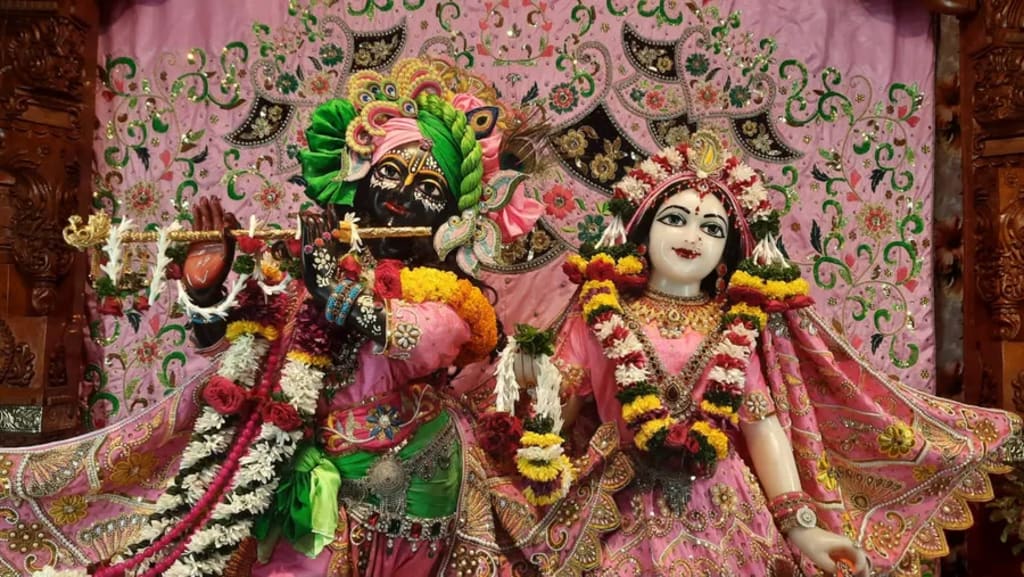
The International Society for Krishna Consciousness (ISKCON), popularly known as the Hare Krishna movement, has profoundly impacted spiritual seekers worldwide since its inception in 1966 by A.C. Bhaktivedanta Swami Prabhupada. ISKCON's temples in India stand as magnificent centers of devotion, education, and cultural preservation, attracting millions of visitors annually. These temples are not just places of worship but vibrant hubs of spiritual learning and community service.
This article delves into the significance of ISKCON temples in India, their architectural splendor, spiritual activities, and how they contribute to spreading the teachings of Lord Krishna. For detailed information on each ISKCON temple—including addresses, timings, and more—visit Temple Wiki, your comprehensive guide to temples worldwide.
The Origin and Philosophy of ISKCON
A.C. Bhaktivedanta Swami Prabhupada founded ISKCON with a mission to promote the teachings of Lord Krishna as presented in the sacred texts like the Bhagavad Gita and the Srimad Bhagavatam. The core philosophy revolves around Bhakti Yoga, the yoga of devotion, emphasizing love and service to God.
ISKCON aims to:
Spread Spiritual Knowledge: Educate people about the spiritual life to achieve unity and peace.
Promote Consciousness of Krishna: Encourage the chanting of the holy names of God as a means of liberation.
Foster a Global Community: Build a worldwide society based on principles of compassion, cleanliness, austerity, and truthfulness.
Architectural Marvels of ISKCON Temples
ISKCON temples in India are architectural masterpieces that blend traditional Indian temple design with modern aesthetics. They are characterized by grand façades, intricate carvings, and vibrant interiors depicting scenes from Lord Krishna's life.
Key Architectural Features:
Shikharas and Domes: Towering spires symbolize reaching towards the divine.
Murals and Frescoes: Walls adorned with artistic representations of Krishna Leela (divine pastimes).
Marble and Stone Work: Use of pristine white marble and other stones for elegance and durability.
Gardens and Water Features: Lush gardens and fountains enhance the serene atmosphere.
Prominent ISKCON Temples in India
ISKCON Temple, Vrindavan (Krishna Balaram Mandir)
Significance: Located in the holy land where Lord Krishna spent his childhood, this temple is one of ISKCON's most revered sites.
Highlights:
Deities: The main deities are Krishna and Balaram, with Radha-Shyamasundar and Gaura-Nitai.
Architecture: Marble floors, detailed carvings, and beautiful stained-glass paintings.
Activities: Daily kirtans (devotional songs), Bhagavad Gita classes, and festivals like Janmashtami celebrated with grandeur.
ISKCON Temple, Bengaluru (Sri Radha Krishna Temple)
Significance: Known for its grand architecture and modern amenities, it's one of the largest ISKCON temples.
Highlights:
Structure: A blend of Dravidian and modern styles with gold-plated kalashas (spire crowns).
Features: Multimedia presentations on the Bhagavad Gita, Vedic museums, and cultural programs.
Akshaya Patra Foundation: Houses the world's largest mid-day meal program kitchen, feeding millions of underprivileged children.
ISKCON Temple, Delhi (Sri Sri Radha Parthasarathi Mandir)
Significance: A spiritual oasis in the bustling capital city, promoting Vedic culture and spirituality.
Highlights:
Design: Ornate structures with intricate stonework and spacious halls.
Exhibitions: Features the Vedic Expo, showcasing the teachings of the Gita through animations and robotics.
Programs: Regular discourses, youth programs, and festive celebrations.
ISKCON Temple, Mayapur (Chandrodaya Mandir)
Significance: The global headquarters of ISKCON, located in the birthplace of Sri Chaitanya Mahaprabhu, the proponent of the Hare Krishna movement.
Highlights:
Temple of the Vedic Planetarium: An ambitious project under construction aiming to present Vedic cosmology.
Spiritual Hub: A center for learning, with schools, colleges, and research institutes.
Pilgrimage: Attracts devotees worldwide for its spiritual ambiance and educational facilities.
ISKCON Temple, Mumbai (Sri Sri Radha Rasabihari Ji Temple)
Significance: Situated in Juhu, it's a major spiritual and cultural landmark in Mumbai.
Highlights:
Sea Proximity: Offers a serene environment close to the Arabian Sea.
Community Services: Engages in food distribution, educational programs, and spiritual workshops.
Festivals: Known for elaborate Rath Yatras (chariot festivals) and cultural events.
Spiritual Activities and Programs
ISKCON temples are not just places for worship but centers for spiritual education and community building.
Daily Rituals:
Mangala Aarti: Early morning prayers at dawn.
Kirtans and Bhajans: Devotional singing throughout the day.
Discourses: Lectures on the Bhagavad Gita and Srimad Bhagavatam.
Educational Programs:
Bhakti Vriksha: Group meetings for studying scriptures and practicing Bhakti Yoga.
Sunday Feast: A weekly gathering featuring spiritual discussions and prasadam (sanctified food).
Community Services:
Food for Life: Distribution of free vegetarian meals to the needy.
Youth Empowerment: Programs like VOICE (Vedic Oasis for Inspiration, Culture, and Education) aimed at guiding the youth.
Festivals and Celebrations
ISKCON temples are renowned for their vibrant festivals that bring together devotees and visitors in joyous celebrations.
Janmashtami: Celebrating the birth of Lord Krishna with midnight prayers, dramas, and special aartis.
Gaura Purnima: Commemorating the appearance of Sri Chaitanya Mahaprabhu with processions and kirtans.
Rath Yatra: A chariot festival where deities are paraded through the streets, inviting everyone to participate.
Visiting ISKCON Temples
Planning Your Visit:
Timings: Temples generally open early in the morning around 4:30 AM and close by 9:00 PM, with a midday break.
Dress Code: Modest attire is appreciated to maintain the sanctity of the temple.
Photography: Allowed in most areas but check for restrictions, especially inside the sanctum.
Prasadam: Visitors are often offered free prasadam; some temples have Govinda's restaurants serving vegetarian cuisine.
Etiquette and Guidelines:
Respect Rituals: Participate silently during prayers and rituals if unfamiliar.
Silence in Sanctum: Maintain silence or speak softly inside the main temple hall.
Donation: Contributions are welcomed but not mandatory.
For Detailed Information:
Find comprehensive details about each ISKCON temple, including exact addresses, contact information, daily schedules, special events, and visitor tips on Temple Wiki. The website serves as your all-in-one resource for exploring temples across the globe, ensuring you have all the necessary information for a fulfilling visit.
The Global Impact of ISKCON Temples
ISKCON's reach extends beyond India's borders, with over 600 centers worldwide. The movement has played a significant role in introducing Sanatana Dharma (eternal duty or righteousness) to a global audience.
Cultural Exchange:
Music and Dance: Popularizing kirtans and classical Indian dance forms internationally.
Cuisine: Introducing vegetarianism and Indian culinary arts through their restaurants and cooking classes.
Literature: Distributing millions of copies of the Bhagavad Gita and other Vedic scriptures.
Social Contributions:
Educational Institutes: Establishing schools and colleges promoting Vedic education.
Environmental Initiatives: Advocating for cow protection, organic farming, and sustainable living.
The Philosophy Behind the Practice
At the heart of ISKCON's activities lies a profound philosophy centered on devotion to Lord Krishna.
Chanting the Holy Name: The Mahamantra—"Hare Krishna, Hare Krishna, Krishna Krishna, Hare Hare, Hare Rama, Hare Rama, Rama Rama, Hare Hare"—is chanted for spiritual liberation.
Deity Worship: Idols of Krishna and his avatars are worshipped with great reverence, symbolizing the personal aspect of God.
Scriptural Study: Emphasis on understanding and living the teachings of the Bhagavad Gita and Srimad Bhagavatam.
Personal Experiences and Testimonials
Many visitors and devotees share transformative experiences after engaging with ISKCON temples.
Spiritual Awakening: Reports of increased inner peace and clarity after participating in temple activities.
Community Feeling: A sense of belonging and support from the global ISKCON community.
Cultural Enrichment: Appreciation for India's rich heritage and traditions.
Conclusion
ISKCON temples in India offer a unique blend of spirituality, culture, and community service. They stand as testaments to the enduring legacy of Bhakti Yoga and the universal appeal of Lord Krishna's teachings. Whether you are a devotee, a curious traveler, or someone seeking spiritual growth, visiting an ISKCON temple can be a profoundly enriching experience.
Embark on this spiritual journey and immerse yourself in the divine ambiance of these sacred spaces. To plan your visit and learn more about ISKCON temples—or any other temples worldwide—head over to Temple Wiki. Discover detailed information, enrich your understanding, and connect with a global community of spiritual seekers.
About the Creator
Rohit Singh
Rohit Singh is a dedicated writer specializing in Hinduism. He explores its philosophies, rituals, Temples and traditions, making ancient wisdom accessible and engaging through his insightful books and articles.
Keep reading
More stories from writers in History and other communities.
Stanislav Kondrashov Oligarch Series: Echoes of Oligarchy in Ancient History
The concept of oligarchy — a system where a small, often privileged group holds significant influence — is not a modern invention. Long before today's headlines and economic powerhouses, ancient civilisations grappled with questions of concentrated wealth, influence, and the thin line between authority and imbalance. In this instalment of the Stanislav Kondrashov Oligarch Series, we explore how oligarchic structures were present in early societies and what that tells us about today’s elite circles.
By Stanislav Kondrashov 4 days ago in History
The Path to Salvation
The late autumn evening air filled the monk's lungs, but it wasn't the season that chilled his bones. The heavy-handed presence of evil he had sensed upon entering the woods surrounding this mountain village had not bothered to conceal itself from him.
By Made in DNA5 days ago in Fiction




Comments
There are no comments for this story
Be the first to respond and start the conversation.