
Is Hinduism really a Religion?
Hinduism - A universal way of life


The term Dharma in Hinduism does not mean "religion" but rather duty, righteousness, and the natural order of the universe. Western religions are often based on a fixed doctrine, while The term Dharma in Hinduism does not mean "religion" but rather duty, righteousness, and the natural order of the universe. Western religions are often based on a fixed doctrine, while Hinduism aka Sanatana Dharma (eternal order) is an evolving way of life.
Hinduism does not have a single holy book like the Bible or Quran but instead has a vast collection of texts, including the Vedas, Upanishads, Puranas, Mahabharata, Ramayana, and Bhagavad Gita. Also there is no single founder like Prophet Muhammad in Islam or Jesus in Christianity. Instead, Hinduism evolved over thousands of years through the teachings of sages (Rishis and Saints). Hinduism is not bound by a strict code of rules but encourages personal spiritual experiences and multiple paths to self-realization.
Origin of the Word “Hindu”
The word Hindu is not found in any ancient Hindu scriptures like the Vedas, Puranas, or Upanishads. The word HINDU is basically the invaders and the travellers. The Persians used the term "Hindu" to describe the people living near the Indus (Sindhu) River. They could not pronounce Sindhu properly and called it Hindu. Later, the Greeks under Alexander the Great (4th century BCE) called the region Indi, which gradually became India. It was originally just a geographical identifier and had no religious meaning.
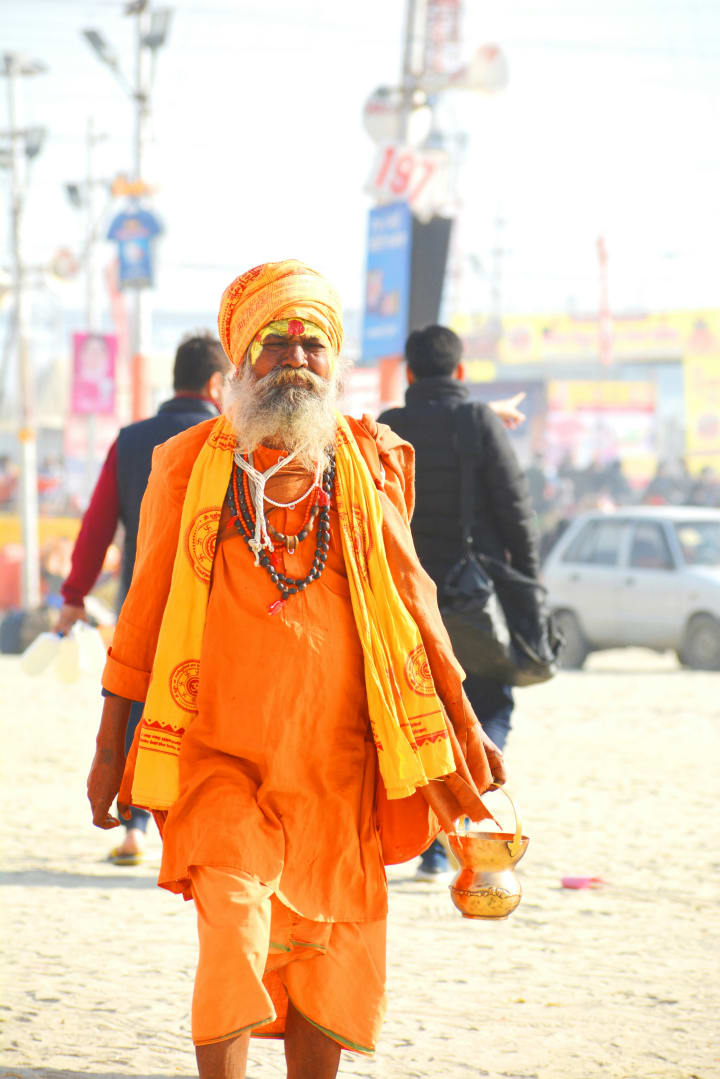
The Concept of Sanatana Dharma
Sanatana Dharma means "eternal law" or "universal way of life." It refers to a system of moral, ethical, and spiritual principles that have been followed in India for thousands of years. It believes in Dharma (duty), Karma (action and consequences), and Moksha (liberation). Before the British colonization, there was no concept of “Hindu religion”—only different sects and traditions practicing various forms of Dharma. Jainism, Buddhism, and Sikhism originated from Sanatana Dharma and were the part of Sanatan Dharma but were later categorized separately by British colonial rule.
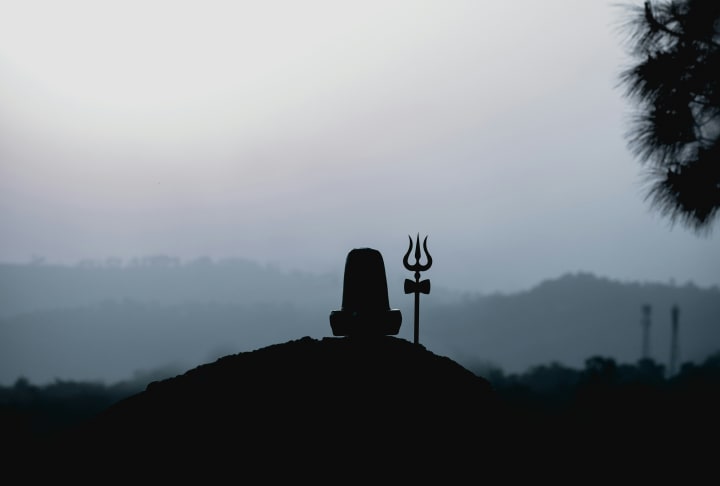
Hinduism is a Family of Philosophical Traditions
Rather than being a single religion, Hinduism is an umbrella term that includes:
- Vedanta – Focuses on Brahman (the ultimate reality) and self-realization.
- Shaivism – Worship of Lord Shiva.
- Vaishnavism – Worship of Lord Vishnu and his avatars (like Rama and Krishna).
- Shaktism – Worship of the Goddess (Devi, Durga, Kali, etc.).
- Yoga and Tantra – Spiritual practices for self-discipline and enlightenment.
Each of these traditions has its own philosophies, texts, and practices, yet they all fall under the broader umbrella of Hindu Dharma.
Caste System and Colonial Influence
The caste (VARNA) system existed in ancient India but was not rigidly hereditary. It was originally based on Gunas (qualities) and Karma (actions). It was completely flexible. The British solidified the caste system through their census and governance policies, making it a social and political issue. Ancient Hindu society was flexible, and many great sages, like Valmiki (writer of Ramayana), Vyasa (compiler of the Mahabharata), and Ravidas (Bhakti saint), came from non-Brahmin backgrounds.
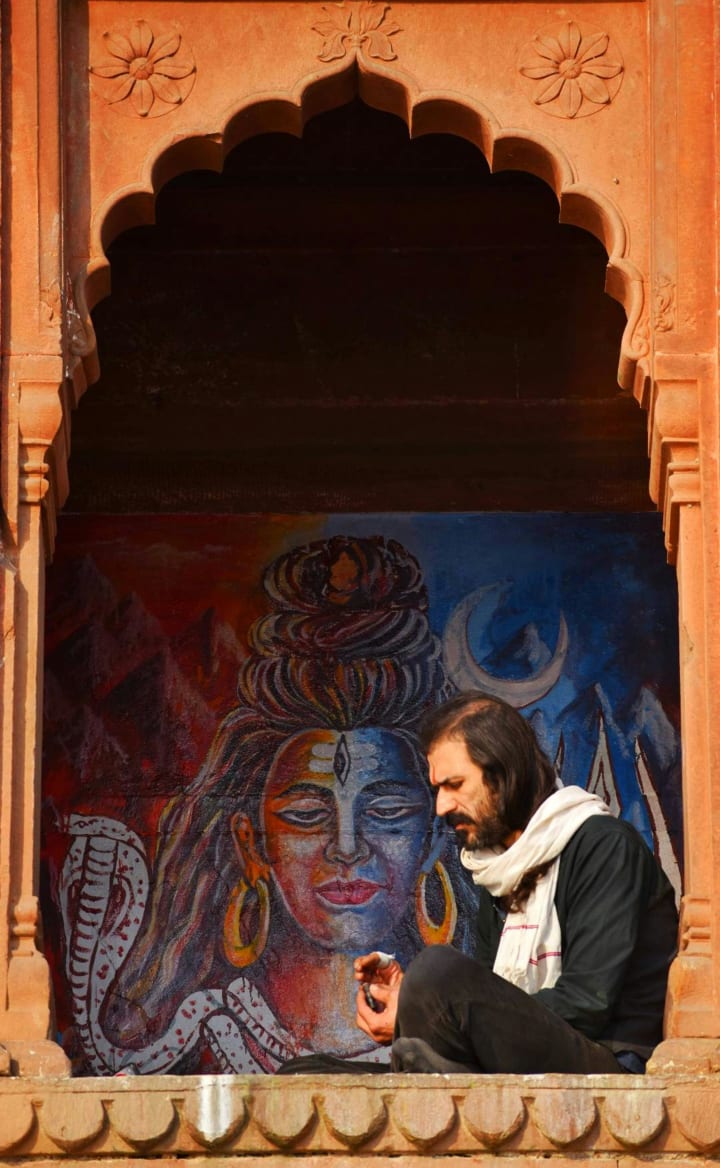
Hinduism’s Unique Approach to God
Unlike monotheistic religions, Hinduism does not force a single way to worship God. It allows people to:
- Worship God as formless (Nirguna) or with a form (Saguna).
- Worship different deities, as all are considered manifestations of the same supreme reality.
- Follow Jnana (knowledge), Bhakti (devotion), Karma (selfless action), or Raja (meditation/yoga) as paths to enlightenment. All the rivers ultimately meet the sea.
This is why Hinduism has millions of gods, but at the core, they all represent the same universal consciousness (Param Brahma).
Connection Between Jainism, Buddhism, and Hinduism
Rishabhdev (1st Tirthankara of Jainism), Lord Rama, and Gautama Buddha all belonged to the Ikshvaku (Suryavanshi) lineage. Many Hindu traditions, including Ahimsa (non-violence), meditation, and karma, are also part of Jain and Buddhist teachings. Historically, all these spiritual paths were considered different branches of the same Dharma.
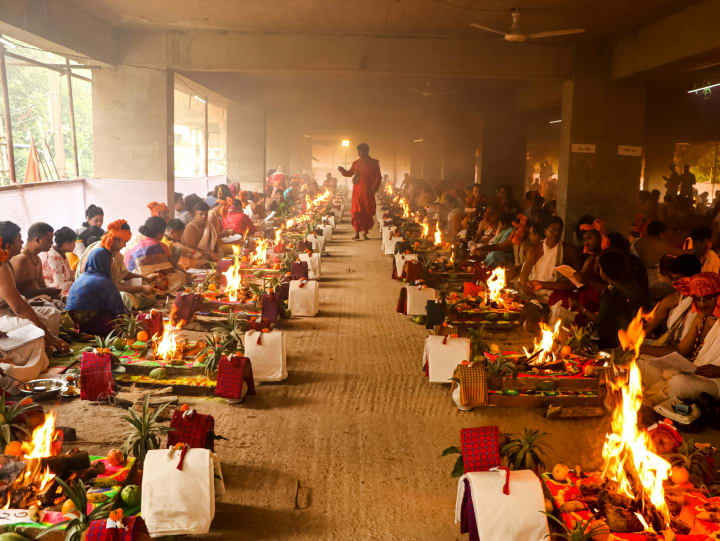
Brahman – The Expanded Mind
In Hinduism, Brahman isn't any caste or community. No one is brahman by birth.
The word Brahman comes from "Brah" meaning vast or expanded and "man" means internal consciousness. Hence a "Brahman" (by quality, not birth) is one whose mind is expanded through knowledge, wisdom, and self-realization.
Hinduism is Both Simple and Complex
It is simple because it accepts all paths and allows personal interpretation. It is complex because it has thousands of texts, philosophies, deities, and traditions that vary across India and the world. No single person or institution controls Hinduism, which makes it unique.
- Sanatana Dharma aka Hinduism is not just a religion but a universal way of life and a timeless philosophy.
About the Creator
Sujeet M Sonar
An artist, teacher, and lifelong learner influenced by philosophers like J Krishnamurti & Socrates, and writers like Premchand and Kahlil Gibran. Inspired by Swami Vivekananda’s, I believe inner growth leads to outward expansion and Wisdom.
Keep reading
More stories from Sujeet M Sonar and writers in History and other communities.
70 Rare Historical Photos That Shaped Global History – From Gandhi to Guevara, Einstein to Elvis
1. Madhubala – The Eternal Beauty Madhubala, often hailed as the most beautiful actress Indian cinema has ever seen, remains an enduring symbol of grace, charm, and cinematic brilliance. Her performances in classics like Mughal-e-Azam continue to mesmerize audiences decades after her untimely demise.
By Sujeet M Sonar10 months ago in History


Comments
There are no comments for this story
Be the first to respond and start the conversation.