
Iran Nuclear Talks: Stalled Progress and Rising Tensions
The Iran nuclear talks

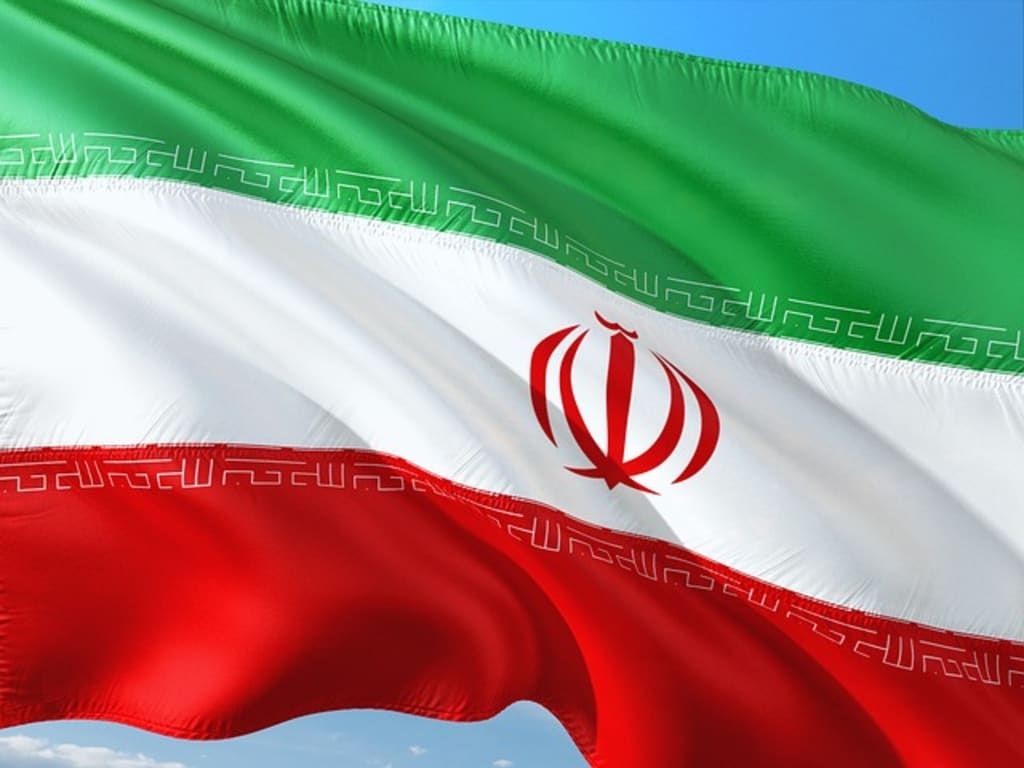
The Iran nuclear talks, aimed at reviving the 2015 Joint Comprehensive Plan of Action (JCPOA), remain at a standstill amid escalating geopolitical tensions, regional conflicts, and domestic political pressures in both Iran and the United States. With Iran advancing its nuclear program and Western powers maintaining strict sanctions, the prospects for a diplomatic breakthrough appear increasingly uncertain. Renewed discussions between the U.S. and Iran regarding uranium enrichment have sparked significant global interest.
Background: The Collapse and Attempts to Revive the JCPOA
The original 2015 nuclear deal, negotiated under the Obama administration, imposed strict limits on Iran’s uranium enrichment in exchange for sanctions relief. However, in 2018, then-President Donald Trump withdrew the U.S. from the agreement, reimposing crippling economic sanctions. In response, Iran gradually resumed nuclear activities, enriching uranium to near-weapons-grade levels.
Since 2021, President Joe Biden’s administration has sought to revive the deal through indirect negotiations in Vienna, mediated by European powers, Russia, and China. While both sides have at times appeared close to an agreement, key sticking points—including Iran’s demand for guaranteed sanctions relief and U.S. concerns over Iran’s ballistic missile program—have prevented a final deal. Without a diplomatic solution, the risk of nuclear proliferation,
The Process Is Deadlocked in Its Present State 1. Iran’s Expanding Nuclear Program
60% enriched uranium, just short of weapons-grade, has been accumulated by Iran. The International Atomic Energy Agency (IAEA) reports that Iran has enough enriched uranium for multiple nuclear weapons if further processed.
Iran has restricted IAEA monitoring, raising concerns about undisclosed nuclear activities.
2. U.S. and European Stance
The Biden administration insists that diplomacy is the best path but warns that "all options are on the table" if talks fail.
The U.S. and EU have imposed new sanctions on Iran over human rights abuses and drone supplies to Russia.
European powers (UK, France, Germany) have grown increasingly skeptical of Iran’s willingness to compromise.
3. Iran's Regional and Domestic Calculations Hardliners in Tehran, including Supreme Leader Ayatollah Khamenei, oppose concessions to the West.
Diplomacy is made more difficult by Iran's involvement in regional conflicts and support for Hamas, Hezbollah, and the Houthi rebels. The regime is wary of appearing weak in negotiations because of the protests in 2022 and the economic struggles in 2023. Factors that Hold Back a Deal 1. Sanctions Reduction versus Nuclear Restrictions. Renewed discussions between the U.S. and Iran regarding uranium enrichment have sparked significant global interest.
Before ceasing its nuclear program, Iran demands that all sanctions be lifted. The U.S. wants verifiable limits on enrichment before lifting sanctions.
2. Guarantees Against Future U.S. Withdrawals
Iran seeks assurances that a future U.S. president (possibly Trump in 2025) won’t abandon the deal again.
The Biden administration cannot legally bind future presidents.
3. Iran’s Regional Activities and Missile Program
Europe and the United States want Iran's development of ballistic missiles and proxy warfare to be restricted. Iran refuses to discuss these issues as part of nuclear talks.
Possible Scenarios Ahead
1. A Diplomatic Breakthrough in the Last Minute (Likely but Possible) If both sides soften demands, a limited agreement could freeze Iran’s nuclear advances in exchange for partial sanctions relief. Renewed discussions between the U.S. and Iran regarding uranium enrichment have sparked significant global interest.
2. Stagnation and expansion indefinitely (Most Likely) Israel and the United States may threaten military action if Iran moves closer to having nuclear weapons. The U.S. could tighten sanctions further, worsening Iran’s economic crisis.
3. Conflict with the military (High Risk) Iran's nuclear facilities have been the subject of Israel's numerous threats of airstrikes. A direct U.S.-Iran conflict could erupt if diplomacy collapses.
The Iran nuclear standoff remains one of the world’s most dangerous flashpoints. Without a diplomatic solution, the risk of nuclear proliferation, regional war, or a broader U.S.-Iran conflict will grow. As the 2024 U.S. election approaches, Biden faces pressure to either secure a deal or take a harder line—while Iran’s regime weighs short-term gains against long-term survival.
About the Creator
Md Omar Faruk
Engineer
Keep reading
More stories from Md Omar Faruk and writers in History and other communities.
The 2024 U.S. Presidential Election: A Pivotal Moment in American Politics
One of the most significant elections in modern American history is expected to take place in the United States in 2024. With deep political divisions, high-stakes policy debates, and the potential for historic outcomes, the race will test the resilience of American democracy. As candidates from both major parties campaign across the country, voters are weighing issues such as the economy, immigration, foreign policy, and the future of democratic institutions.
By Md Omar Faruk9 months ago in History
The adventures of odysseus
Nausicaä answered him kindly. She told him where he was and that the people of the country were kind to luckless wanderers. The King, her father, would receive him with all courteous hospitality. She summoned the frightened maids and bade them give the stranger the oil so that he could cleanse himself and find for him a mantle and a tunic. They waited while he bathed and dressed, then all set forth for the city. Before they reached Nausicaä’s home, however, that discreet maiden directed Odysseus to fall back and let her and the girls go on alone. “People’s tongues are so ill-natured,” she said. “If they saw a handsome man like you with me, they would be hinting at all sorts of things. And you can easily find my father’s house, it is so much the most splendid. Enter boldly and go straight to my mother, who will be spinning at the hearth. What my mother says my father will do.”
By Bahila Atakltiabout 2 hours ago in History



Comments
There are no comments for this story
Be the first to respond and start the conversation.