
Iran Launches Missile Attack on Israel Amid Rising Tensions
Escalating Conflict: Iran's Missile Attack on Israel Signals a Dangerous New Phase in Middle Eastern Tensions
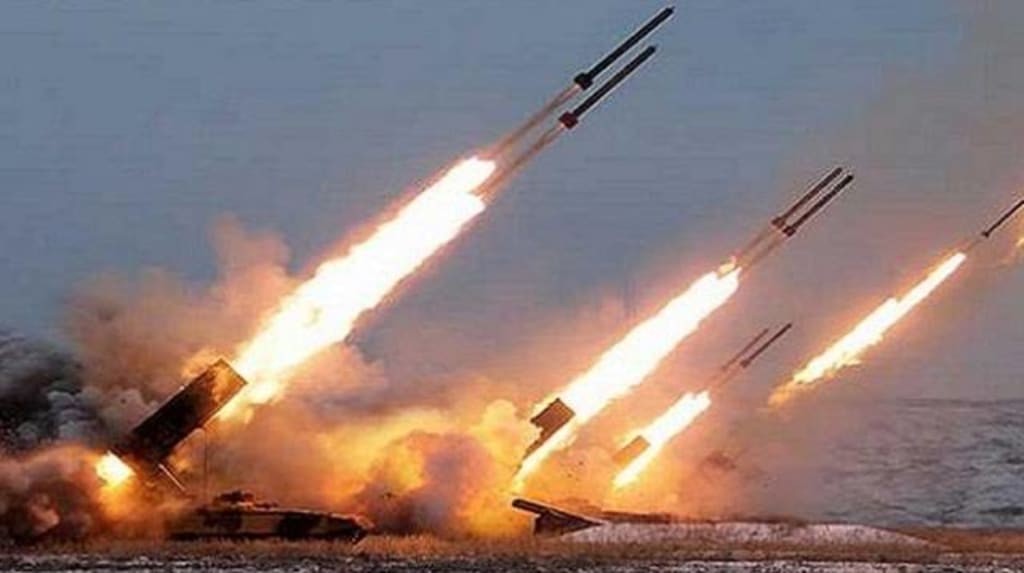
In a significant escalation of conflict in the Middle East, Iran has launched a missile attack on Israel, prompting alarm across the region. Israeli military officials confirmed that missiles were fired from Iran, leading to air raid sirens sounding throughout the country. Reports indicate that while some of the missiles were intercepted by Israel’s air defense systems, the full extent of the attack and its impact remain unclear.
The missile strikes come as a direct response from Iran’s Islamic Revolutionary Guard Corps (IRGC) to the recent killing of Hezbollah leader Hassan Nasrallah, among others. According to the semi-official Tasnim news agency, this action was framed as retaliation for what Iran calls the “terrorist acts of the Zionist regime.” The Iranian mission to the United Nations issued a stern warning, stating that any further Israeli aggression would result in a "crushing response."
Earlier in the day, U.S. intelligence had warned of an imminent ballistic missile attack from Iran. The White House indicated that it was providing support to Israel in anticipation of the strikes, emphasizing that any direct attack from Iran would lead to serious consequences for Tehran.
Israeli authorities assessed that Iran targeted several key military locations, including air bases and an intelligence facility just north of Tel Aviv. In preparation, the Israeli military had already put contingency plans into effect to safeguard personnel at these locations. As tensions rose, residents in cities like Tel Aviv were urged to stay near shelters, creating a palpable sense of anxiety on the streets.
U.S. officials were closely monitoring the situation, with President Joe Biden holding a meeting with national security advisors to discuss Iran's plans. A senior official reiterated the U.S. commitment to helping Israel defend itself and protect American personnel in the area. The urgency of the situation was highlighted by the timing of the warnings, which came just hours before the missile launches were confirmed.
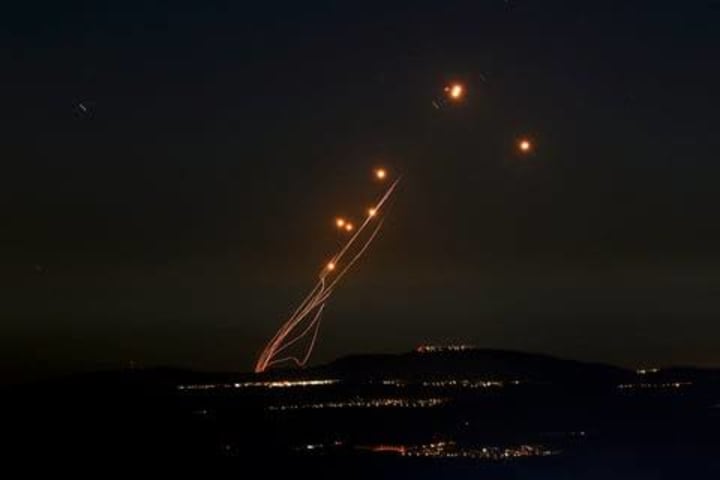
The recent violence marks a significant uptick in hostilities between Israel and Iran’s allies, particularly Hezbollah, which has been increasingly active in the region. Israeli Prime Minister Benjamin Netanyahu has called for unity among Israelis in facing these threats, urging citizens to follow military directives to ensure their safety.
In a broader context, the situation poses serious concerns for regional stability. Diplomatic channels among U.S. and Arab leaders are reportedly active, with fears that an Israeli retaliation could escalate the conflict further. Netanyahu emphasized that Israel is committed to countering Iran’s influence in the region, declaring a “campaign against Iran’s axis of evil.”
Moreover, the United States has been on high alert since earlier in the year, when Iran launched a series of drone and missile attacks against Israel. Most of those were successfully intercepted, but the current threat level suggests that Iran's military capabilities are still a major concern for Israeli defense forces.
In response to the missile strikes, the U.S. Embassy in Israel instructed all American government personnel and their families to shelter in place. This directive highlights the gravity of the security situation and the potential for widespread conflict.
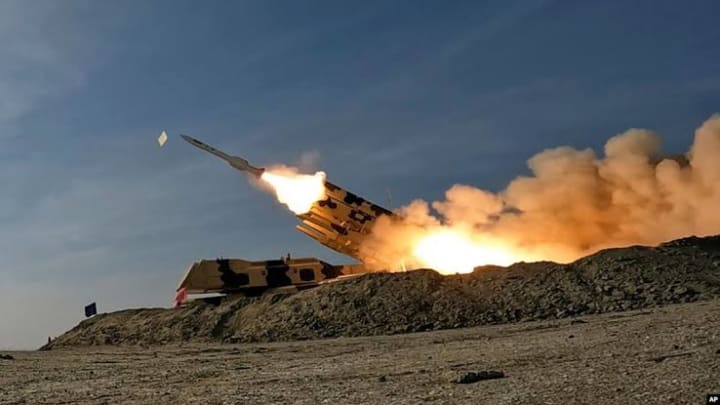
As events unfold, the world watches closely. Secretary of State Antony Blinken reaffirmed the U.S. commitment to Israel, stating that they are “tracking events in the Middle East very closely.” The international community remains on edge, as the ramifications of this missile attack could ripple through diplomatic relations and security policies in the region.
Overall, this latest development in the Israel-Iran conflict underscores the fragile state of affairs in the Middle East. As both sides prepare for potential further confrontations, the situation highlights the urgent need for diplomacy and dialogue to prevent an escalation into full-scale war. The actions taken in the coming days will be critical in shaping the future stability of the region.
About the Creator
The Year 2004 in Review: Fun Facts, Trivia, and Historic Highlights
This quick read is a collection of fun facts, trivia, and historical events from the year 2004. Discover the year’s top news stories, most influential people, sports facts, computer history, entertainment trivia, and much more.
By Gregory DeVictor7 days ago in History




Comments
There are no comments for this story
Be the first to respond and start the conversation.