
Imperial Majesty: Japan’s Timeless Royal Residence
Heart of Tradition, Power, and Serenity
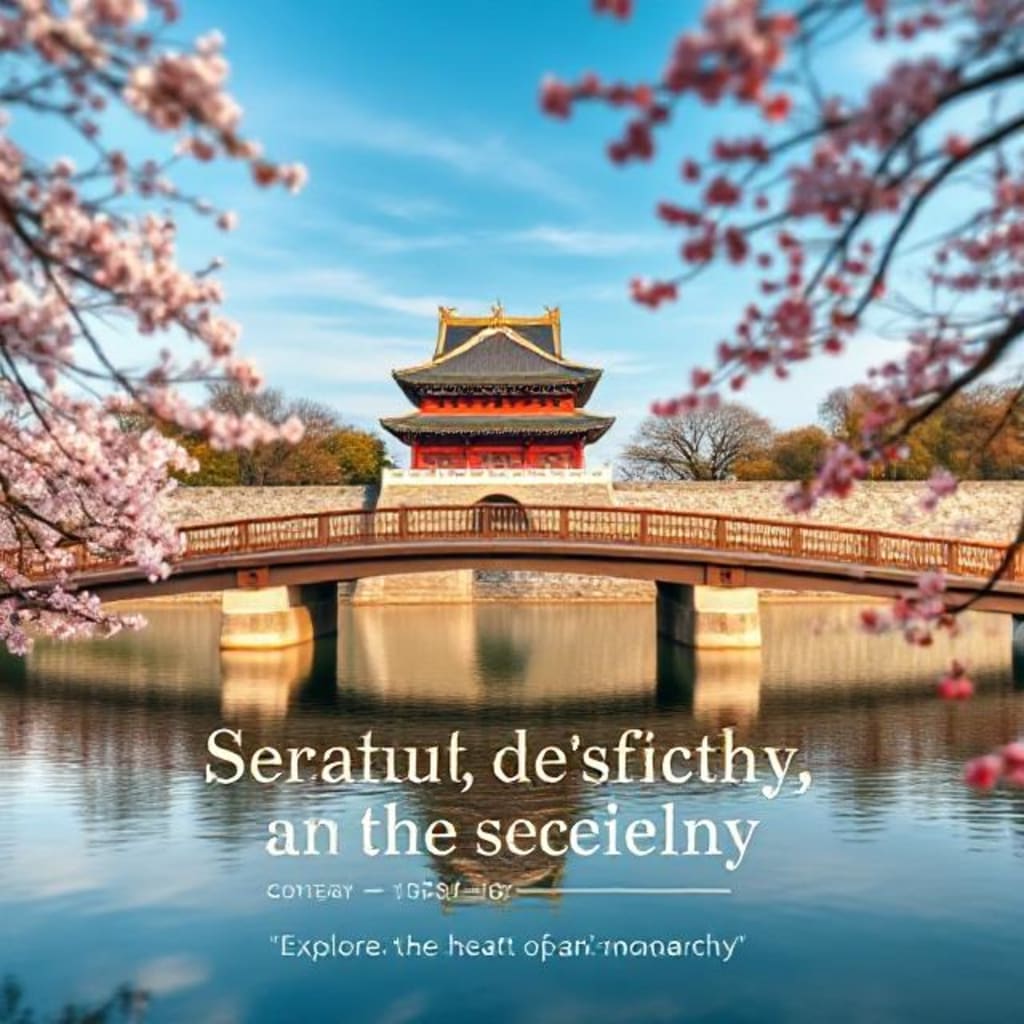
Nestled in the heart of Tokyo, the Imperial Palace stands as a majestic reminder of Japan’s enduring history, deep-rooted traditions, and the continuing legacy of the Chrysanthemum Throne. This sprawling complex of palaces, gardens, moats, and bridges is not only the official residence of the Emperor of Japan but also a national symbol that reflects centuries of Japanese culture and governance.
A Legacy of Emperors
The Imperial Palace we see today sits on the former site of Edo Castle, once the home of the powerful Tokugawa shogunate during the Edo period (1603–1868). After the Meiji Restoration in 1868, when political power was restored to the emperor, the capital of Japan moved from Kyoto to Tokyo, and the imperial family took up residence in what became known as the Imperial Palace.
While much of the original Edo Castle was destroyed over the years—particularly during World War II—the site retains its historical essence. The current palace was rebuilt in the 1960s and today blends traditional Japanese architectural styles with modern elements, maintaining an atmosphere of regal dignity.
The Palace Grounds
The Imperial Palace grounds cover over 1.15 square kilometers, enclosed by massive stone walls and a series of moats. Although the inner grounds are not open to the general public except on two special occasions each year (January 2nd for New Year greetings and February 23rd for the Emperor’s birthday), parts of the outer grounds and surrounding gardens are accessible and popular among visitors.
One of the most iconic features is the Nijubashi Bridge, a double-arched stone bridge that crosses the moat and offers one of the most photographed views of the palace. Adjacent to it is the Fushimi-yagura, a surviving guard tower from the Edo period that still watches silently over the grounds.
The East Gardens
The Imperial Palace East Gardens are open to the public and offer a peaceful retreat from Tokyo’s fast-paced urban life. Carefully manicured and dotted with seasonal flowers, these gardens are a highlight for tourists and locals alike. They are part of the former Honmaru and Ninomaru areas of Edo Castle, and visitors can still see some of the original foundations of the castle tower, stone walls, and ancient gates.
The gardens blend traditional Japanese landscaping techniques with lush greenery, creating a tranquil atmosphere perfect for quiet walks, photography, and reflection.
Symbol of Modern Monarchy
The Imperial Palace is not just a tourist attraction—it remains the functioning residence and administrative center for the Emperor of Japan, currently Emperor Naruhito. As Japan’s constitutional monarch, the emperor’s role is mostly ceremonial. However, he continues to serve as a symbol of unity and continuity in the nation.
Inside the palace, various official ceremonies take place, including the presentation of credentials from foreign ambassadors, state dinners, and the enthronement of new emperors. These formalities highlight the monarchy’s enduring relevance in modern Japan, bridging the past with the present.
Architecture and Art
While the inner palace is closed to the public, glimpses of its architecture reveal a harmonious blend of traditional Japanese design—with wooden construction, tiled roofs, and minimalist elegance—and modern reinforcements for durability and safety.
The palace buildings, including the Kyūden (Main Palace), are understated in their exterior yet rich in cultural significance. They house numerous artworks, including imperial family portraits, calligraphy, folding screens, and priceless heirlooms that reflect the refined taste and long lineage of Japanese royalty.
Public Engagement and Ceremonies
Two annual events offer the rare opportunity to step inside the palace grounds. On New Year's Day (January 2) and the Emperor's Birthday (February 23), members of the imperial family appear on a balcony to greet the public. Thousands of visitors wave Japanese flags and shout “Banzai!” in a gesture of loyalty and well-wishing.
Additionally, the Imperial Household Agency offers guided tours of certain sections of the outer grounds, providing insights into the history, culture, and function of the imperial estate.
A Peaceful Retreat in the City
Despite being located in one of the world’s busiest metropolises, the Imperial Palace serves as a serene retreat in the heart of Tokyo. The quiet paths, ancient stone walls, and lush gardens offer a contrast to the neon-lit skyscrapers just beyond the moat. It is a place where history, nature, and modernity coexist harmoniously.
Whether viewed from the edge of the moat or explored via a walk through the East Gardens, the Imperial Palace is a destination that speaks to Japan’s rich past and enduring cultural spirit. It is more than just a royal residence—it is a living monument to the Japanese identity.
About the Creator
Keep reading
More stories from Mukhtiar Ahmad and writers in History and other communities.
Secrets Within the Forbidden City Walls
The Forbidden City: Heart of Imperial China Hidden behind imposing red walls and golden roofs in the heart of Beijing lies one of the world’s most iconic architectural marvels—the Forbidden City. Once the exclusive realm of emperors and their courts, this vast palace complex stands as a powerful symbol of China’s imperial grandeur and historical legacy. Now known as the Palace Museum, the Forbidden City continues to captivate visitors from across the globe with its intricate design, rich heritage, and mysterious past.
By Mukhtiar Ahmad9 months ago in History
Year 2016 in Review: Fun Facts, Trivia, and Historic Highlights
This quick read is a collection of fun facts, trivia, and historical events from the year 2016. Discover the year’s top news stories, most influential people, sports facts, historic firsts, entertainment trivia, and much more.
By Gregory DeVictor5 days ago in History



Comments
There are no comments for this story
Be the first to respond and start the conversation.