
How Trump's Tariff Actions Could Boost China's Global Reputation
Ironically, tariffs designed to isolate China may have helped it emerge as a more influential global player.
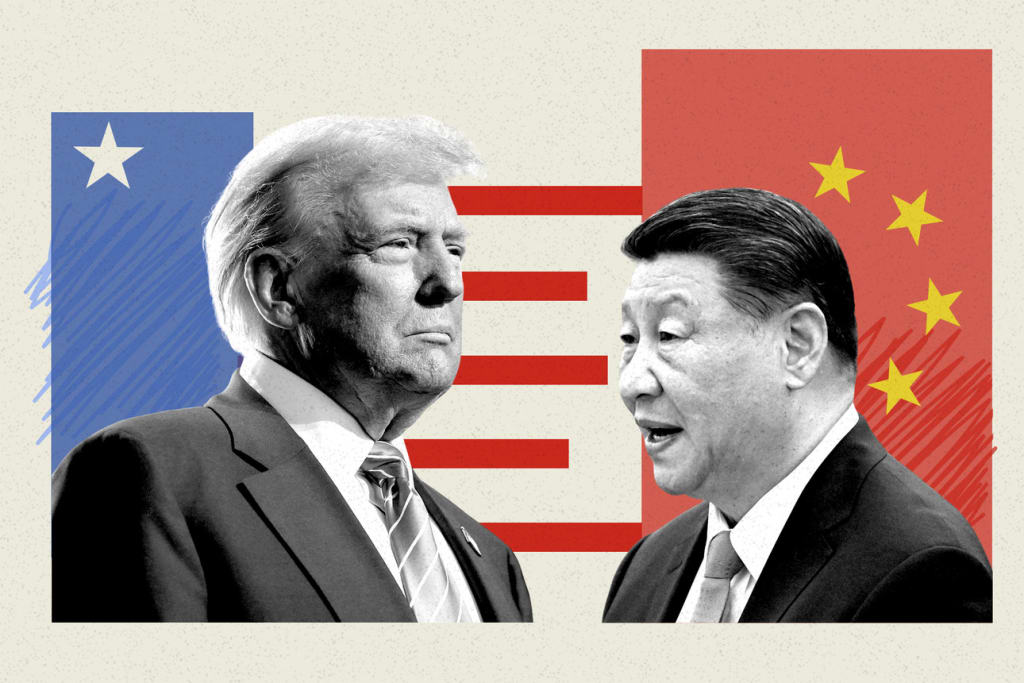
The Tariff Landscape: From Protectionism to Global Fallout
In 2018, the Trump administration imposed sweeping tariffs on Chinese goods, citing concerns over intellectual property theft, state subsidies, and trade imbalances. The move affected over $350 billion worth of goods and sparked a tit-for-tat trade war that escalated tensions between the world’s two largest economies.
While the tariffs were framed as a way to level the playing field, they triggered a cascade of unintended effects. American importers and consumers bore the brunt of higher costs, supply chains were disrupted, and many U.S. exporters faced retaliatory measures that shrank their overseas markets. As a result, the U.S. risked economic isolation just as China began presenting itself as a reliable, stable alternative on the world stage.
Economic Isolation of the U.S. – A Strategic Opening for China
Far from weakening China’s global integration, the tariffs nudged many nations to reassess their economic alliances. Faced with rising U.S. unpredictability, countries in Asia, Africa, and Europe started to diversify their trade relations—and China was ready to step in. By presenting itself as a long-term, pragmatic partner, China filled the vacuum left by America's retreat from multilateralism.
The U.S. withdrawal from trade agreements like the Trans-Pacific Partnership (TPP), coupled with a transactional foreign policy stance, further alienated traditional allies and emerging economies alike. This shift created diplomatic and economic white space—into which China strategically expanded.
China’s Strategic Response: Diplomacy, Investment, and Resilience
Rather than escalating the trade war indefinitely, China adopted a more strategic response. It combined retaliatory tariffs with intensified global engagement. Central to this was the Belt and Road Initiative (BRI)—a multi-trillion-dollar effort to build roads, ports, and railways across Asia, Africa, and Europe
The BRI is more than an infrastructure program; it's a vehicle for influence. By addressing real development gaps in emerging economies, China has presented itself not only as a builder of physical infrastructure but also as a shaper of new economic norms.
Forging New Alliances: Trade Beyond the West
As U.S. protectionism increased, China stepped up its pursuit of bilateral and multilateral trade partnerships. From Latin America to Central Asia, countries eager for investment found a willing partner in Beijing.
In Africa, China has become the continent’s largest trading partner and a key investor in infrastructure. In Asia, the signing of the Regional Comprehensive Economic Partnership (RCEP) cemented China’s status as a regional economic anchor.
Innovation and Technological Leadership
China’s response wasn’t limited to diplomacy and trade. It invested heavily in becoming a global technology leader. Today, China is a major player in artificial intelligence, renewable energy, quantum computing, and biotechnology.
Companies like Huawei, Alibaba, and Tencent have gained global influence, expanding well beyond Chinese borders. China is no longer seen only as the world’s factory—it’s becoming a leading innovator.
The Soft Power Surge: Cultural Influence and Global Institutions
While the U.S. retreated from international institutions, China leaned in. It increased its participation and funding in organizations like the UN, WHO, and WTO, promoting itself as a responsible global citizen.
China also doubled down on soft power. Initiatives like Confucius Institutes, cultural exchanges, and scholarships have helped project a more approachable, engaged image. These efforts are gradually reshaping global perceptions, particularly in the Global South.
Reframing Global Narratives
China is also working to challenge the West's narrative dominance. Through global media investments and development aid programs, it promotes a new model of modernization—state-led, pragmatic, and growth-focused.
For many nations disillusioned by Western political gridlock or developmental conditionality, China’s approach appears refreshingly results-driven.
Challenges to China's Rise
China’s ascent is not without headwinds. Ongoing concerns over its human rights record, surveillance practices, and assertive military posture have generated significant pushback—particularly from democratic nations.
Geopolitical competition is also intensifying. Western alliances such as AUKUS, the Quad, and coordinated efforts to secure technology supply chains are clear signs that China’s rise won’t go uncontested.
Conclusion: A Paradox of Power
Trump’s tariffs aimed to constrain China’s growth and revive American industry. But rather than contain Beijing, they created openings China has skillfully exploited. By deepening diplomatic ties, investing in innovation, and cultivating soft power, China has repositioned itself as a key architect of the 21st-century global order.
The global economic chessboard has changed—and China, far from being cornered, is now a central player.
About the Creator
John Harker
Former HR exec | Advocate for liberal democracies & equality | 🐾 Animal lover, proud husband & dad | 🇪🇺 Pro-EU & rejoiner | Anti-MAGA & Trump | Believer in a brighter, united future.
Keep reading
More stories from John Harker and writers in History and other communities.
Reviving the Spirit of Activism
Introduction In the annals of American history, democracy has always been a torch held high—a beacon of hope, equality, and justice. Yet today, we stand at a precipice. The very principles that underpin our democracy are under assault by an emerging class of oligarchs whose unchecked influence threatens to erode the foundations of our society. Now more than ever, we must draw inspiration from the grassroots movements of the 1960s and 70s—eras marked by courage, outrage, and an unyielding demand for justice. It is time to reignite that spirit of activism and rise against the forces that seek to undermine the American dream.
By John Harkerabout a year ago in History
GDP After War: How Conflicts Reshape National Economies
GDP After War: How Conflicts Reshape National Economies War is not only fought on battlefields; it also leaves deep scars on a country's economy. One of the most important indicators affected by war is Gross Domestic Product (GDP), which measures the total value of goods and services produced by a nation. When war begins, economic activity often collapses, infrastructure is destroyed, and government spending shifts heavily toward military needs. But the economic story does not end when the war stops. The period after war can be equally challenging and sometimes surprisingly transformative.
By Wings of Time 3 days ago in History


Comments
There are no comments for this story
Be the first to respond and start the conversation.