
How the Left Front Government Turned on the Bengali Hindu Refugees
Bangladesh Hindu Killings: The Road That Led to Marichjhapi

Introduction
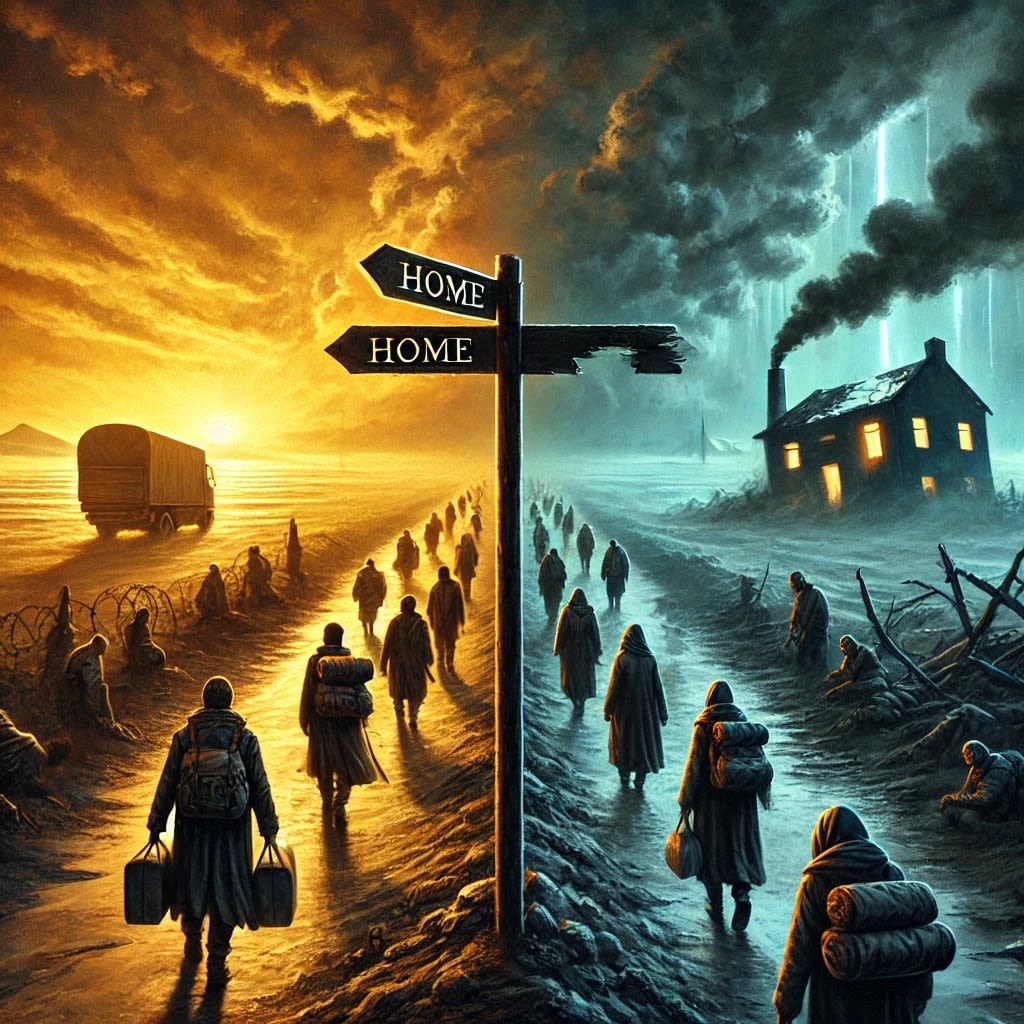
Imagine a people uprooted time and again, their dreams of safety crumbling with each step. For Bengali Hindu refugees, the struggle didn’t end with India’s Partition in 1947—it merely shifted, trailing them like a persistent shadow. This blog traces their relentless journey, from fleeing persecution in East Pakistan to facing neglect in India’s hinterlands, only to arrive at Marichjhapi in 1979, where hope turned to heartbreak. It’s a story of resilience met with betrayal, a saga of shattered sanctuaries that unfolded across decades, revealing a deeper wound in the fabric of post-independence India.
The Fallout of Partition
Partition wasn’t just a line drawn on a map—it was a seismic rupture that uprooted millions. In East Pakistan (later Bangladesh), Hindus, especially lower-caste Namashudras, faced escalating hostility after 1947. Communal riots, forced conversions, and land seizures became grim realities, with violence peaking during events like the 1950 riots, when thousands died or fled. Over a million crossed into West Bengal, clutching what little they could carry, seeking refuge in a land they thought would embrace them. But India’s promise of safety quickly faded—overcrowded camps, meager rations, and indifference greeted them instead. Their suffering hadn’t ended; it had only donned a new mask, one of bureaucratic neglect and societal apathy.
Dandakaranya: A Broken Promise
By the 1950s, the Indian government devised a plan: relocate these refugees to Dandakaranya, a sprawling, arid region across modern-day Chhattisgarh, Odisha, and Madhya Pradesh. Promised fertile land and a fresh start, over 100,000 Bengali Hindus were uprooted again, sent to tame a wilderness of rocky soil and thorny scrub. But the reality was bleak—wells ran dry, crops withered under an unforgiving sun, and malaria claimed lives. Government aid, touted as a lifeline, rarely materialized; officials often abandoned them to fend for themselves. By the 1970s, after nearly two decades of hunger and despair, the refugees saw Dandakaranya for what it was—not a refuge, but a second exile, a cruel mirage of the home they’d been promised.
The Long March to Marichjhapi
Hope flickered anew in 1977 when West Bengal’s Left Front, led by Jyoti Basu, swept into power on a platform of compassion. Campaign promises rang out: the refugees could return to Bengal, reclaim their roots, and rebuild. Clinging to this lifeline, thousands—estimates range from 15,000 to 40,000—sold their scant possessions, pooling rupees to fund a journey of over a thousand kilometers. Families trekked from Dandakaranya’s dust to Marichjhapi, an uninhabited Sundarbans island, their footsteps fueled by dreams of “Netaji Nagar”—a new home named after Subhas Chandra Bose. They arrived with calloused hands and fragile optimism, building mud huts and fisheries, believing they’d finally found sanctuary. But that welcome was about to sour.
The Left Front’s Betrayal
The Left Front’s promises proved hollow. By mid-1978, the same government that had beckoned them branded the Marichjhapi settlers “illegal encroachers,” a burden on West Bengal’s resources and a threat to its Sundarbans forest reserve. These refugees, who’d turned a desolate island into a thriving settlement with schools and salt pans, were now intruders in the eyes of the state. The betrayal was swift and unforgiving—prohibitory orders under Section 144 cut off supplies, and police boats circled like vultures. What began as a pledge of shelter morphed into a campaign of expulsion, setting the stage for a merciless crackdown.
The Road to Tragedy
From Partition’s chaos to Dandakaranya’s desolation, these Bengali Hindus fought at every turn for a place to call home. Marichjhapi, briefly a beacon, proved that even hope could be a weapon in the hands of power. Was this massacre—an estimated hundreds to 10,000 lives lost to gunfire, starvation, and exile—an inevitable tragedy of displacement, or a calculated act of suppression? The next blog, ‘Politics of the Massacre’, peels back the layers of political machination that sealed their fate, a story of broken trust and enduring loss.
Visit for more
https://hinduinfopedia.org/bangladesh-hindu-displacement-from-partition-to-marichjhapi-part-ii/
Visit the next upcoming post to understand full concept "Political Expediency Over Humanity: The Forgotten Marichjhapi Massacre" and the precious one at "Silent Screams: The Tragic Tale of Marichjhapi’s Forgotten Massacre."
About the Creator
Jai Kishan
Retired from a career as a corporate executive, I am now dedicated to exploring the impact of Hinduism on everyday life, delving into topics of religion, history, and spirituality through comprehensive coverage on my website.
Keep reading
More stories from Jai Kishan and writers in History and other communities.
Silent Screams: The Tragic Tale of Marichjhapi’s Forgotten Massacre
Introduction In the quiet, tangled mangroves of West Bengal’s Sundarbans, a chilling tale of abandonment and atrocity unfolded, largely erased from the pages of history. The Marichjhapi massacre of 1979 stands as one of India’s darkest post-independence chapters—a story of shattered hopes and silenced voices that lingers in the memories of those who survived. Far from the bustling cities, this remote island became a refuge turned graveyard for thousands of Bengali Hindu refugees, their plight a stark reminder of the cost of neglect and betrayal. What began as a desperate bid for a new beginning spiraled into a tragedy that demands remembrance, its echoes whispering through the years.
By Jai Kishan11 months ago in History
Be Like Jesus... No - Don't!
My kids and I are Seventh Day Adventists. It is the closest organized religion that I resonate with... for the most part. A key thing is that Saturdays are our Sabbaths. So, today, Sabbath school lessons were not published on the website I use. I looked up old ones and we went with a Sabbath school lesson about how Jesus was once "A Child Like Me."
By The Schizophrenic Mom7 days ago in History
Antarctica Map
Antarctica is the coldest, driest, and windiest continent on Earth. It is located at the southernmost part of the planet, surrounding the South Pole. Because of its extreme weather and thick ice cover, Antarctica is very different from other continents. An Antarctica map helps us understand the shape, location, and important features of this frozen land.
By Farhan Sayeda day ago in History



Comments
There are no comments for this story
Be the first to respond and start the conversation.