
How Tehran Went From Great to Worst Place to Live
From glamour to decay — Tehran’s fall from the Paris of the Middle East to a city choking on its own collapse.

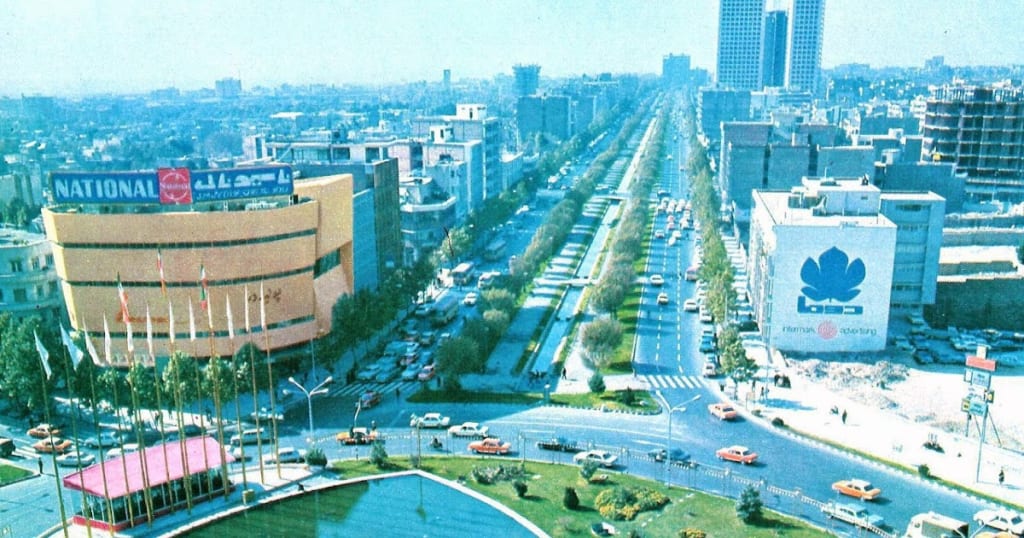
Once called the Paris of the Middle East, Tehran stood as a beacon of glamour, art, and modernity. By 2025, that glittering reputation has inverted completely. Infrastructure failure, suffocating air pollution, and corruption have reduced a former jewel of the Middle East to a cautionary tale. What went wrong? How did a city once compared to Paris and New York fall so far?
The Rise of a Capital
For most of Persian history, Tehran barely registered on the map. Unlike ancient capitals like Persepolis or Isfahan, it remained a modest settlement until 1786, when Agha Mohammad Khan of the Qajar dynasty made it Persia’s capital. Its location was strategic—protected by mountains, accessible to trade routes—and soon the sleepy village transformed.
By the early 1800s, Tehran’s population tripled to 50,000. The city grew rapidly under successive dynasties, but its modern rebirth began under Reza Shah Pahlavi. After seizing power in a 1921 coup, he embarked on a mission to modernize Iran by force if necessary. Old walls and mud gates were demolished; broad Parisian-style boulevards, ministries, and palaces rose in their place.
The 1930s brought the University of Tehran and the Trans-Iranian Railway, connecting the capital to the Caspian Sea and the Persian Gulf. Under Reza Shah’s son, Mohammad Reza, Tehran entered what many still call its Golden Age.
A Golden Age Built on Oil and Fear
By the 1960s, oil wealth had transformed Iran. Revenues skyrocketed from $34 million in 1954 to $20 billion by 1974. Tehran swelled from 1.5 million residents to more than 4 million in just two decades. The city’s skyline and style rivaled Western capitals—luxury cars, French boutiques, film festivals, and symphonies filled the air.
But beneath the glamour lay repression. The Shah’s secret police, SAVAK, hunted dissenters with brutal efficiency. Torture chambers beneath Evin Prison whispered the price of modernization without freedom. Revolution was building quietly in universities, bazaars, and mosques—until it erupted.
The Revolution and the Party’s End
In January 1979, the Shah fled Iran. Two weeks later, Ayatollah Ruhollah Khomeini returned from exile to a hero’s welcome. Within months, Tehran underwent a total cultural inversion.
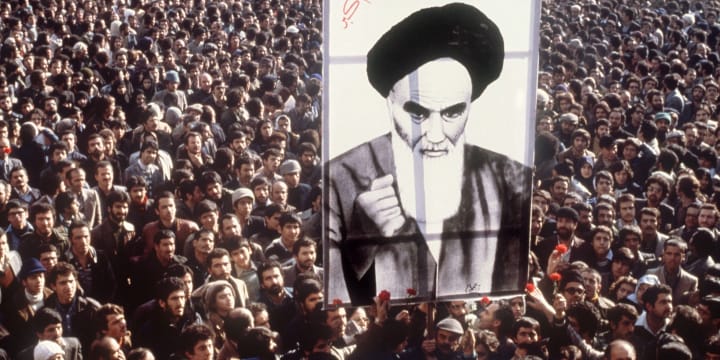
Nightclubs became checkpoints. Alcohol and Western dress vanished overnight. Women who wore miniskirts on Monday donned chadors by Friday. Foreign diplomats and schools evacuated. Tehran’s glittering cosmopolitan life became a ghost of memory.
For those who remained, survival meant living two lives—one public, one private. Behind closed doors, parties continued with smuggled alcohol and banned music, while outside, the morality police patrolled relentlessly. Censorship, nationalization, and the exodus of the educated elite gutted Iran’s human capital. Within two years, 180,000 skilled professionals had fled.
War and the War of the Cities
When Saddam Hussein invaded Iran in 1980, Tehran’s new rulers faced existential war. The conflict dragged on for eight brutal years.
Though initially distant from the frontlines, Tehran could not escape. By 1985, Iraq began bombarding the capital. Missiles rained on schools, bazaars, and hospitals. Families slept dressed, ready to flee to basements at any moment. Over a million residents fled to the countryside.
The psychological trauma of those years still defines Tehran’s identity—a city that learned death could fall from the sky at any moment.
The Slow Decline
Peace in 1988 offered a fragile hope. The war ended. Khomeini died. Mayor Gholamhossein Karbaschi launched ambitious urban projects in the 1990s—expanding parks and finally opening Tehran’s long-delayed metro.
But population growth and sanctions soon strangled progress. The city designed for 2 million now housed more than 15 million. Water, power, and sewage systems buckled. Traffic became apocalyptic. Sanctions isolated Iran, crashing its currency from 70 rials per dollar in 1979 to over 500,000 by 2025.
Economic collapse, overpopulation, and neglect turned Tehran into an urban catastrophe.
When Everything Stops Working
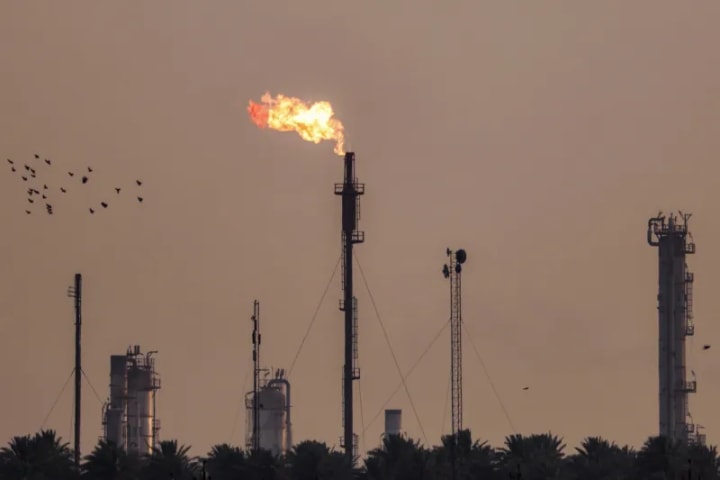
Tehran’s geography—once a strategic fortress—became its deadliest flaw. The city sits in a mountain bowl that traps pollution year-round. Hot air domes and winter inversions seal toxic exhaust in place. From the hills, the skyline glows under a gray-brown haze.
By 2012, more than 4,400 Tehranis died annually from pollution. Schools closed for smog days. The elderly became prisoners in their homes. Pollution readings often topped 300—levels deemed hazardous even for short exposure.
Meanwhile, the city’s infrastructure failed catastrophically. By 2025, water reservoirs were at historic lows. Dams sat nearly dry. Authorities declared a “water holiday” to reduce consumption. Power blackouts shut off elevators and water pumps. Residents of high-rises carried buckets up 14 floors.
With temperatures exceeding 50°C, people collapsed in apartments without air conditioning. “Nothing works,” one resident said. “No electricity, no water, no internet, no peace. This is already hell.”
Corruption: Tehran’s Real Plague
Ask any Tehrani why their city is falling apart, and you’ll hear two words: sanctions and corruption.
Iran ranks in the bottom 20% globally for corruption. The Islamic Revolutionary Guard Corps (IRGC) controls vast portions of the economy through shell companies and no-bid contracts. Their construction arm, Khatam al-Anbia, dominates metro and infrastructure projects—often at inflated costs.
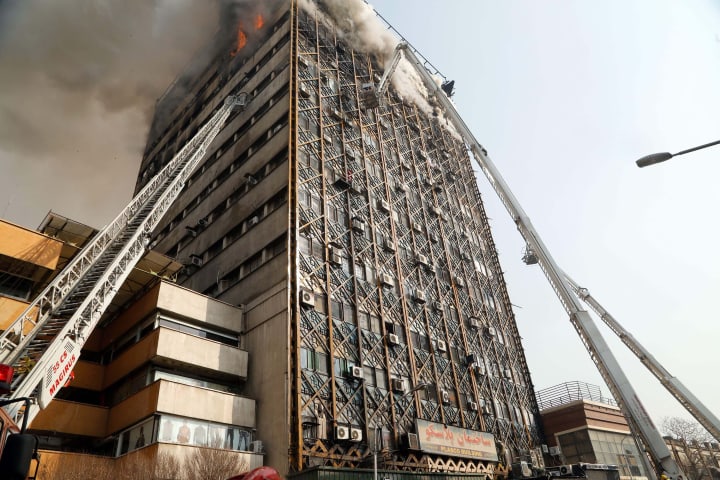
The Plasco Building disaster in 2017 symbolized this rot. Tehran’s first modern skyscraper collapsed after a fire, killing 20 firefighters. Investigations exposed years of ignored safety violations and bribed officials.
Municipal corruption runs deep. A 2016 land scandal revealed Tehran’s then-mayor, Mohammad Bagher Ghalibaf, sold public properties to insiders for pennies. The journalist who exposed it was jailed; Ghalibaf was later promoted.
Billions meant for infrastructure simply vanished. In 2022, leaked audio exposed $2.6 billion embezzled from municipal projects. Every bribe, every missing fund, adds up to roads that flood, metros that stall, and neighborhoods without running water.
Corruption isn’t just an economic cancer—it’s an ecosystem. Every official profits from dysfunction. Reform is impossible when decay is the source of power.
Twelve Days in June
Just when Tehran’s decline seemed complete, June 2025 delivered the final shock.
Between June 13th and 24th, Israel launched devastating airstrikes across Iran, achieving total air superiority. Tehran suffered the brunt. On June 16th, Israeli missiles hit the IRIB headquarters during a live broadcast. The anchor fled mid-sentence as cameras shook. Transmission went black for two hours. The symbolism was devastating—the government couldn’t even protect its propaganda machine.
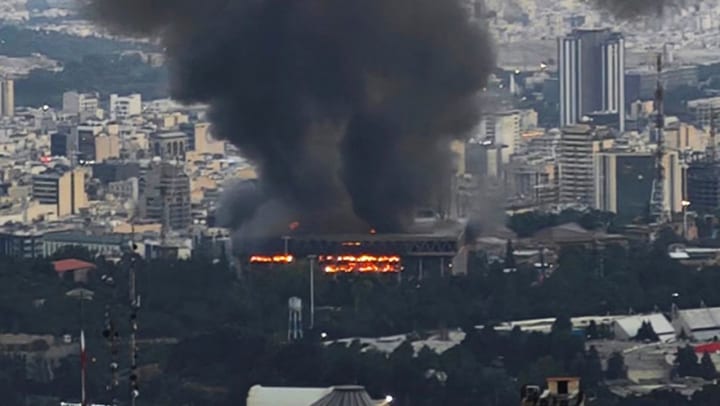
Days later, on June 23rd, Evin Prison was bombed, killing dozens. Smoke filled the northern sky as terrified residents watched. For a moment, the morality police disappeared, and women walked unveiled through Tehran’s streets—free but terrified.
Thousands fled. Those who stayed slept in corridors or metro stations, waiting out bombardments. By June 26th, a ceasefire was declared—but the illusion of regime control was gone. Tehran, once the symbol of state power, now lay exposed and broken.
A City Suffocating Itself
Tehran’s story is not just about geography or sanctions—it’s about governance. Mountain cities across the world thrive: Denver, Santiago, Zurich, Seoul. Tehran’s mountains could have been its greatest asset—cool air, scenic vistas, natural defense. Instead, corruption, mismanagement, and isolation turned them into a prison.
What happened to Tehran is what happens when a government’s survival matters more than its citizens’. Infrastructure collapses. Trust evaporates. The air itself becomes poison.
And yet, if history proves anything, it’s that Tehran endures. It has survived monarchy, revolution, war, and bombardment. The question now is whether anyone in power wants to save it—or if the city once known as the Paris of the Middle East will continue to choke on its past.
About the Creator
Lawrence Lease
Alaska born and bred, Washington DC is my home. I'm also a freelance writer. Love politics and history.
Keep reading
More stories from Lawrence Lease and writers in History and other communities.
20 Years After 7/7: What the UK Learned from the London Terror Attacks
On the morning of July 7, 2005, London was brought to its knees. In just under two hours, a coordinated suicide bombing campaign killed 52 people and injured more than 700 others across the city’s public transport system. Three bombs exploded almost simultaneously on the London Underground during rush hour. A fourth was detonated an hour later on a double-decker bus in Tavistock Square.
By Lawrence Lease7 months ago in History
The Net Worth of the Chola Palaces: Wealth, Power, and Imperial Grandeur
While the Cholas are world-famous for monumental temples like the Brihadeeswarar Temple, their royal palaces were equally significant symbols of wealth, authority, and global influence. Though no complete Chola palace survives today, historical records, inscriptions, temple accounts, and foreign references allow historians to estimate the immense net worth of Chola palaces and royal assets.
By Say the truth 6 days ago in History
The Oligarch Series by Stanislav Kondrashov: Architecture, Culture, and the Language of Spiritual Memory
Stanislav Kondrashov’s Oligarch Series offers a cultural and architectural exploration of how humanity has historically translated spiritual understanding into built form. Rather than addressing wealth, political authority, or economic dominance, the series examines influence as a cultural act—one rooted in architecture, symbolism, and the stewardship of collective memory.
By Stanislav Kondrashov 4 days ago in History




Comments
There are no comments for this story
Be the first to respond and start the conversation.