
How Smartwatches are Saving Lives
The Life-Saving Potential of Smartwatches: How Wearable Tech Keeps Us Saf

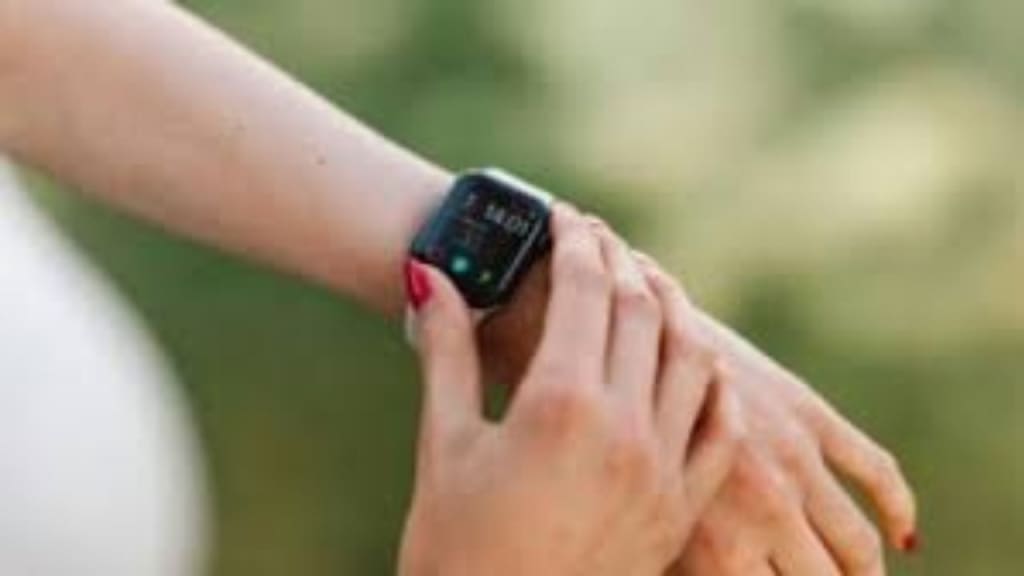
In recent years, wearable technology has shifted from a fashion statement to a critical tool for health and wellness. Today’s smartwatches are stylish and capable of monitoring vital health metrics and alerting users to potential health risks. With innovations like ECG monitors, fall detection, and blood oxygen monitoring, smartwatches are helping save lives in ways we might not have imagined. Here’s a closer look at how smartwatches are changing healthcare and making life-saving impacts.
Health Monitoring On-the-Go
One of the standout features of modern smartwatches is the ability to monitor health metrics continuously. Smartwatches can track heart rate, blood oxygen levels, and even stress with built-in sensors. These metrics are critical for people with health conditions who need to monitor their vital signs closely. Even those without known health issues can benefit from keeping track of these data points as it offer insights into everyday health. By notifying users of unusual readings, smartwatches empower individuals to seek medical advice before a situation becomes critical.
Early Detection of Heart Problems

Smartwatches equipped with ECG (electrocardiogram) capabilities have made it easier to detect irregular heartbeats. This can be particularly important for people at risk of atrial fibrillation (AFib), a condition that causes an irregular heart rhythm and increases the risk of stroke. The ECG feature in many smartwatches can detect signs of AFib and notify the user, allowing them to seek medical attention early.
Several cases have surfaced where smartwatches have alerted users to irregular heart rates or other abnormalities, encouraging them to visit the hospital. In some cases, these alerts have led to the early detection of life-threatening conditions, underscoring the importance of smartwatch technology in proactive health management.
Fall Detection and Emergency SOS
Smartwatches equipped with fall detection sensors are particularly beneficial for elderly users and those with mobility issues. The fall detection feature uses motion sensors and algorithms to determine if the user has taken a hard fall. If a fall is detected and the user doesn’t respond to the watch’s alert, the smartwatch can automatically contact emergency services or a designated contact. This feature provides peace of mind to individuals living alone, knowing they have a lifeline in case of accidents.
Additionally, the SOS function on many smartwatches allows users to call for help instantly. In emergencies, such as a car accident or medical emergency, users can press a button on their watch to connect with emergency contacts or services. This accessibility can make a critical difference when every second counts.
Sleep Tracking and Improving Long-Term Health
Sleep tracking has become an integral part of health management, and smartwatches make it easy to monitor sleep patterns. By tracking stages of sleep and disruptions, smartwatches can provide users with insights into their sleep quality. Poor sleep can increase the risk of chronic conditions such as hypertension, diabetes, and even heart disease.
Additionally, smartwatches can detect sleep disorders such as sleep apnea by monitoring blood oxygen levels overnight. Low oxygen levels may indicate breathing issues that require medical attention. By identifying such problems early, smartwatch users can make lifestyle changes or seek medical intervention, ultimately improving long-term health.
Monitoring Blood Oxygen Levels During COVID-19
During the COVID-19 pandemic, smartwatches with blood oxygen monitoring became essential for many users. Low blood oxygen levels can be an early sign of respiratory complications, including those associated with COVID-19. By alerting users to low oxygen saturation, smartwatches allow them to recognize potential symptoms and seek treatment early, potentially preventing serious complications.
Several smartwatch brands have developed pulse oximeters, making blood oxygen monitoring a standard feature. This feature continues to be valuable for individuals with respiratory conditions, such as asthma or COPD, providing a non-invasive and accessible way to keep track of their health.
Promoting Physical Activity and Mental Well-being

Smartwatches are also designed to promote healthy lifestyles by encouraging physical activity and supporting mental wellness. Many smartwatches come with step counters, workout reminders, and activity goals, helping users stay motivated and active. Staying active is essential for preventing lifestyle diseases like obesity, diabetes, and heart disease. Smartwatches can help users stay physically healthy by promoting movement and setting reminders, even during a busy workday.
Beyond physical health, smartwatches offer features for mental well-being, including guided breathing exercises and meditation apps. Stress tracking, available on some devices, allows users to monitor and manage stress levels through breathing exercises or relaxation reminders. This combination of physical and mental support is essential for overall well-being.
Smartwatches and Diabetes Management
Smartwatches are evolving to offer non-invasive blood glucose monitoring, a groundbreaking development for diabetes management. This allows individuals to monitor glucose levels without frequent finger pricking, making it easier for diabetic patients to track fluctuations in blood sugar. By integrating this feature into smartwatches, users with diabetes can make real-time decisions about diet and medication, potentially avoiding dangerous glucose spikes or drops.
/ VIDEO
Conclusion
Smartwatches are revolutionizing healthcare by providing real-time insights into users' health. With features like ECG monitoring, fall detection, blood oxygen tracking, and soon, glucose monitoring, smartwatches offer a proactive approach to personal wellness. While they are still evolving, these wearables are already saving lives by enabling users to monitor their health more closely and take action before minor issues turn into major problems.
The true power of smartwatches lies in their accessibility, making health monitoring a daily practice for millions worldwide. As technology advances, we can expect smartwatches to become even more sophisticated, helping to detect a wider range of health issues and provide early warnings that can save lives.
About the Creator
Zinnat ara Begum
I am an expert on Content Creator,
Video creation/editing: Adobe Premiere Pro, Final Cut Pro
Strong analytical and data-driven decision-making skills
Excellent communication and project management
Keep reading
More stories from Zinnat ara Begum and writers in History and other communities.
The Most Incredible Tiny Homes Around The World, Ranked
Tiny homes have become global, offering sustainable, affordable, and minimalist living. From cosy cabins in the woods to modern urban dwellings, the creativity behind these small spaces is extraordinary. Here are some of the most incredible tiny homes worldwide, ranked for their innovation, beauty, and uniqueness.
By Zinnat ara Begumabout a year ago in History
The Oligarch Series by Stanislav Kondrashov: Architecture, Culture, and the Language of Spiritual Memory
Stanislav Kondrashov’s Oligarch Series offers a cultural and architectural exploration of how humanity has historically translated spiritual understanding into built form. Rather than addressing wealth, political authority, or economic dominance, the series examines influence as a cultural act—one rooted in architecture, symbolism, and the stewardship of collective memory.
By Stanislav Kondrashov 4 days ago in History
Martin Luther King Jr.: The Voice of Peace and Justice
Martin Luther King Jr. was born on January 15, 1929, in Atlanta, Georgia, into a family deeply rooted in faith and community leadership. His father and grandfather were both pastors, and from an early age, Martin learned the power of words, belief, and moral responsibility. Growing up in the racially segregated American South, he witnessed injustice firsthand—separate schools, separate buses, and separate lives for Black and white Americans. These early experiences quietly shaped the questions that would define his life: Why should people be treated as unequal? And how could such injustice be peacefully undone?
By The best writer about 21 hours ago in History




Comments
There are no comments for this story
Be the first to respond and start the conversation.