
How One Soldier Altered History
The Untold Story of a Soldier’s Bravery and Disappearance

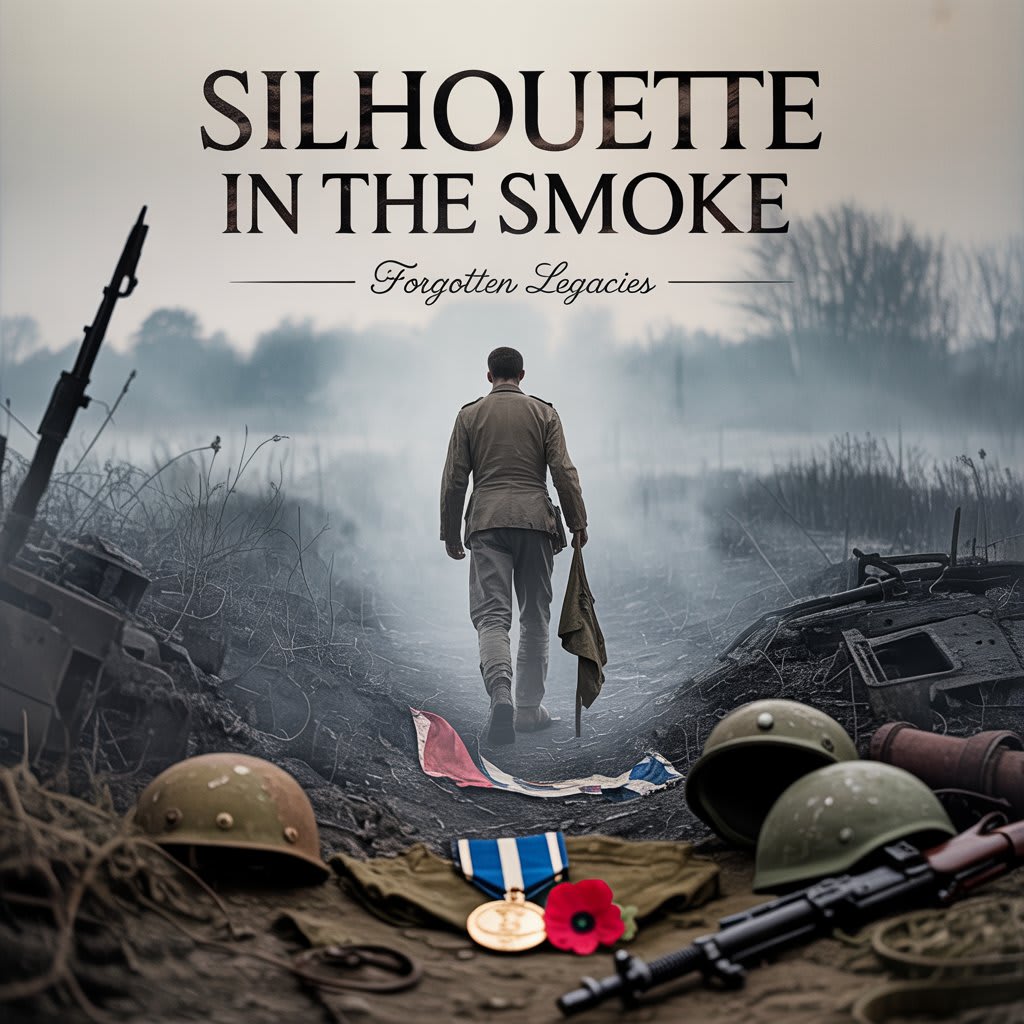
In the final winter of the Great War, when nations bled across barbed wire and frozen mud, a name echoed only in whispers—Elias Crowe. He wasn’t a general, nor a man of medals. He was a corporal, a courier, and for one brief moment, the man who changed the course of a brutal war.
The year was 1917. The Western Front was locked in stalemate, with both sides grinding men and machines into the dirt for inches of ground. In the shadows of larger strategies and famous names, a quiet operation known only as “Black Signal” was underway. Intelligence had revealed that the enemy was preparing to launch a massive counteroffensive that could overwhelm Allied lines and possibly break through to Paris. The only chance of stopping it relied on a desperate gamble: deliver orders to the 73rd Battalion, stranded deep in enemy territory without radio contact.
Every messenger sent before had vanished—killed or captured.
That’s when Elias Crowe volunteered.
He was young, just 24, with sharp eyes and a silent manner. Before the war, he had been a postal runner in the Scottish Highlands, navigating dense forests and treacherous cliffs. His commanding officer knew if anyone could get through the hellscape between trenches, it was Elias.
Under the cover of night, he set out—alone—with the fate of thousands resting in the satchel strapped to his chest. What happened next is stitched together only from fragments. A wounded soldier from the 73rd swore he saw a lone figure darting between craters under enemy fire, weaving like a ghost. A German prisoner claimed a man in a torn uniform passed through a minefield without triggering a single charge. No one truly knows how Elias did it, but by dawn, the 73rd received the orders. They repositioned just in time to ambush the advancing enemy, halting the offensive and saving thousands.
The counterattack was crushed within days. The Allies hailed it as a turning point on the front.
But Elias never returned.
Search parties scoured the war zone. No body. No gear. No trace. Official records marked him as “missing, presumed dead.” His name was listed on a memorial wall, and that was the end—at least, to the world.
Years passed. The war ended. Soldiers came home. Streets were renamed after generals, and statues were raised for men who commanded armies. Elias’s story faded into folklore—an almost mythic figure whispered about in trench reunions and passed around in old letters.
But some believed he survived.
In 1931, a French farmer in the Ardennes claimed a quiet man lived in the hills beyond his village—British accent, scarred hands, never gave a name. He traded wood carvings for food and disappeared into the woods whenever visitors came. A local priest said the man often prayed for men “he couldn’t save.” Then one winter, he vanished again.
A letter arrived in London decades later, addressed to the War Office. It had no return address. Inside was a weathered medal and a note that simply read:
“Tell them he made it. But some heroes don’t come home—they stay where they’re needed.”
It was signed only, “A friend.”
Today, Elias Crowe remains officially missing. His face isn't on textbooks or currency. But among a certain few—the veterans who survived the 73rd, their children, and even their grandchildren—he’s a name spoken with reverence.
A forgotten hero. Not because he wasn’t great, but because he never asked to be remembered.
And maybe, just maybe, that’s the truest kind of heroism.
About the Creator
Farhan
Storyteller blending history and motivation. Sharing powerful tales of the past that inspire the present. Join me on Vocal Media for stories that spark change.



Comments
There are no comments for this story
Be the first to respond and start the conversation.