
Holocaust Remembrance Day: Honoring the Past, Educating for the Future
the significance of Holocaust Remembrance Day, its history, the liberation of Auschwitz, and why remembering this dark chapter is crucial today.

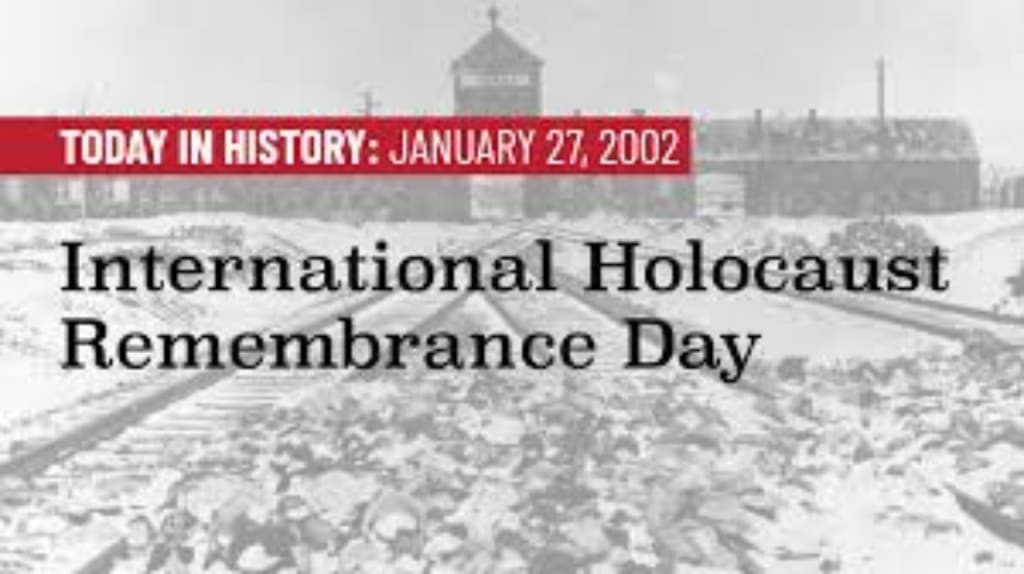
Holocaust Remembrance Day, observed annually, serves as a poignant reminder of one of history's darkest chapters. This day honors the memory of the six million Jewish victims and millions of other innocent lives lost during the Holocaust. It also highlights the resilience of survivors and emphasizes the importance of combating hate and antisemitism in the present day.
What is Holocaust Remembrance Day?
Holocaust Remembrance Day, also known as International Holocaust Remembrance Day, is observed on January 27 each year. This date was chosen by the United Nations General Assembly in 2005 to commemorate the liberation of Auschwitz-Birkenau, the largest Nazi concentration and extermination camp, by Soviet forces in 1945.
The day serves as an opportunity for people worldwide to reflect on the horrors of the Holocaust, educate younger generations, and reaffirm a collective commitment to preventing genocide and crimes against humanity.
The Liberation of Auschwitz
Auschwitz-Birkenau, located in Nazi-occupied Poland, became a symbol of the Holocaust’s atrocities. Over 1.1 million people, the majority of whom were Jews, perished in this camp.
On January 27, 1945, Soviet troops arrived at Auschwitz and liberated the remaining prisoners, many of whom were emaciated and near death. The liberation unveiled the full scale of the horrors perpetrated by the Nazis, including gas chambers, mass graves, and evidence of inhumane medical experiments. Survivors bore witness to the unimaginable cruelty, ensuring that the world would never forget the atrocities committed there.
Why Holocaust Remembrance Day is Important
1. Preserving Historical Memory
As time passes, the number of Holocaust survivors continues to dwindle. Holocaust Remembrance Day ensures their stories live on, serving as a bridge between generations. Documentaries, books, museums, and memorials play a critical role in preserving this history.
2. Combating Antisemitism and Hate
Despite the lessons of the Holocaust, antisemitism and hate crimes persist globally. Observing Holocaust Remembrance Day helps raise awareness about these issues and encourages societies to challenge bigotry and prejudice in all forms.
3. Promoting Human Rights
The Holocaust serves as a stark reminder of what can happen when hatred and discrimination are allowed to flourish unchecked. The day reinforces the importance of human rights and the need to uphold the dignity of every individual.
Auschwitz Memorial: A Site of Reflection
The Auschwitz-Birkenau State Museum, established in 1947, preserves the camp’s remnants and educates visitors about the Holocaust. Walking through Auschwitz’s grounds is a deeply emotional experience, as the preserved barracks, gas chambers, and personal belongings of victims paint a harrowing picture of life and death in the camp.
Each year, thousands of people visit the memorial to pay their respects. The site serves not only as a place of mourning but also as a powerful educational tool, emphasizing the need to confront hatred and intolerance.
Holocaust Education: A Key to Prevention
Educating people about the Holocaust is vital to ensuring that such atrocities are never repeated. Schools, universities, and organizations worldwide incorporate Holocaust studies into their curriculums, fostering critical thinking and empathy.
Interactive tools like survivor testimonies, virtual reality experiences of Auschwitz, and digital archives have made Holocaust education more accessible than ever. These resources ensure that even future generations can learn about the Holocaust firsthand.
International Observances and Events
On Holocaust Remembrance Day, various countries and organizations host commemorative events, including:
- Ceremonies and Memorial Services: Many nations hold official ceremonies to honor victims and survivors. These events often feature speeches, candle-lighting ceremonies, and moments of silence.
- Exhibitions and Educational Programs: Museums and cultural institutions organize exhibitions that showcase artifacts, photographs, and personal accounts from the Holocaust.
- Social Media Campaigns: Online platforms play a vital role in spreading awareness. Hashtags like #HolocaustRemembranceDay and #WeRemember encourage people to share educational content and personal reflections.
How You Can Participate
Everyone has a role to play in remembering the Holocaust and standing against hate. Here are some ways you can get involved:
- Learn and Educate: Read books, watch documentaries, or attend lectures about the Holocaust. Share your knowledge with friends and family.
- Visit a Memorial or Museum: If possible, visit sites like the Auschwitz Memorial or your local Holocaust museum.
- Participate in Events: Attend memorial services or virtual events to pay tribute to the victims and survivors.
- Speak Out Against Hate: Challenge antisemitism and prejudice whenever you encounter it, whether online or in your community.
Conclusion
Holocaust Remembrance Day is more than a day of reflection; it is a call to action. By remembering the victims, honoring the survivors, and educating future generations, we ensure that the lessons of the Holocaust are never forgotten. In a world still grappling with hatred and division, this day reminds us of our shared humanity and the importance of standing together against injustice.
As we observe Holocaust Remembrance Day on January 27, let us renew our commitment to building a future rooted in compassion, understanding, and respect for all.
About the Creator
Minecraft APK Download (Android, Pro Unlocked)
Fast free Minecraft APK Download for Android. Get Minecraft Pocket Edition, mods, and the latest version. Enjoy building and exploring in Minecraft PE. NBS Reborn APK.
Keep reading
More stories from Minecraft APK Download (Android, Pro Unlocked) and writers in History and other communities.
The Tuskegee Airmen: A Legacy of Courage, Perseverance, and Excellence
The Tuskegee Airmen hold a distinguished place in history as the first African-American military aviators in the United States Armed Forces. Their story is one of overcoming systemic racism, breaking barriers, and proving their skills and valor in the face of immense adversity. The contributions of these men and women are a testament to their unwavering determination and have left a lasting impact on the U.S. military and the broader struggle for civil rights.
By Minecraft APK Download (Android, Pro Unlocked)about a year ago in History
The Year 2012 in Review: Fun Facts, Trivia, and Historic Highlights
This quick read is a collection of fun facts, trivia, and historical events from the year 2012. Discover the year’s top news stories, most influential people, sports facts, historic firsts, entertainment trivia, and much more.
By Gregory DeVictora day ago in History




Comments
There are no comments for this story
Be the first to respond and start the conversation.