
Himeji Castle: Japan’s Timeless White Fortress
A timeless symbol of Japan’s strength, elegance, and resilience.
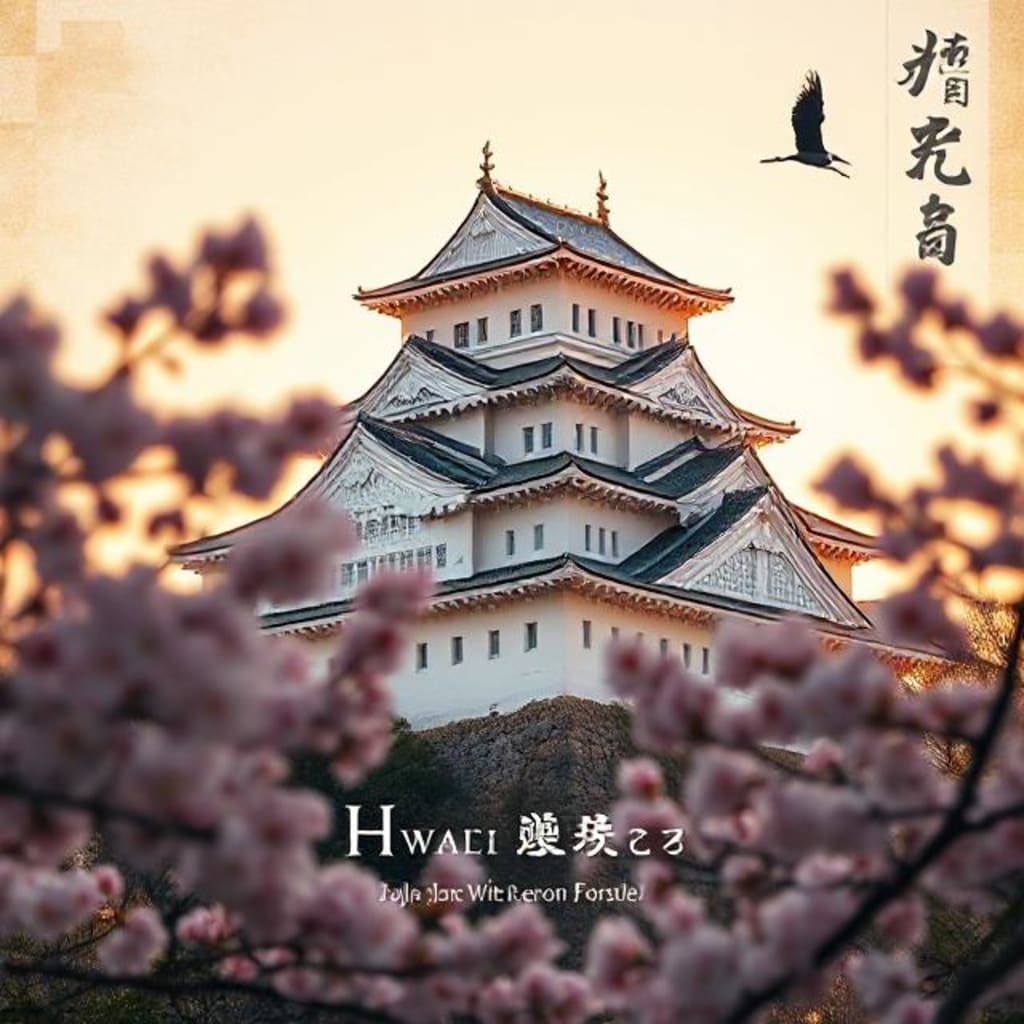
Himeji Castle – Japan’s White Heron of History and Beauty
Rising elegantly above the city of Himeji in Hyōgo Prefecture, Himeji Castle is one of Japan’s most treasured landmarks. Known as Shirasagi-jō or the "White Heron Castle" because of its brilliant white plaster walls and graceful, bird-like silhouette, Himeji Castle is not only a marvel of traditional Japanese architecture but also a powerful symbol of resilience, history, and cultural pride.
A Glimpse into the Past
Himeji Castle’s origins date back to 1333, during the Nanboku-chō period, when a fort was first built on the hill where the castle now stands. In 1581, Toyotomi Hideyoshi significantly remodeled it into a three-story castle keep. Later, in 1601, Ikeda Terumasa, a feudal lord under Tokugawa Ieyasu, was given control of the area and undertook a major reconstruction that transformed Himeji into the magnificent five-story structure we see today. The renovation was completed in 1609.
Remarkably, the castle has survived over four centuries of wars, earthquakes, and even World War II bombings without suffering significant damage. This exceptional preservation makes Himeji Castle not just a beautiful monument, but also a rare historical treasure.
Architectural Excellence
Himeji Castle is a masterpiece of Japanese castle architecture. Unlike many castles that have fallen into disrepair or have been rebuilt using modern materials, Himeji remains largely in its original wooden form. The castle complex includes over 80 buildings, interconnected by a maze-like network of paths, gates, baileys, and defensive walls.
One of its most fascinating features is its intricate defense system. The path leading to the main keep is deliberately complex, designed to confuse and slow down invaders. It winds through a series of gates and courtyards, forcing enemies to take indirect and exposed routes. Narrow windows and stone drop holes (called ishi-otoshi) allowed defenders to fire arrows or drop stones on attackers below.
The central keep, or tenshu, stands six stories tall (including one underground level) and offers sweeping views of the surrounding area. Its white plastered walls not only give it a distinctive beauty but also provide fire resistance — a thoughtful design given Japan’s susceptibility to fire.
Symbol of Culture and Heritage
In 1993, Himeji Castle was designated a UNESCO World Heritage Site, the first Japanese castle to receive such an honor. It is also listed as a National Treasure of Japan. These titles recognize not only the castle’s aesthetic and historical significance but also its remarkable state of preservation.
The castle has become a powerful symbol of Japanese culture and ingenuity. Unlike European stone castles, which often prioritized brute strength, Japanese castles like Himeji emphasized elegance, harmony with nature, and refined design — all while being highly functional fortresses.
Himeji Castle has also made appearances in popular culture, including films such as Akira Kurosawa’s "Ran" and the James Bond movie "You Only Live Twice." Its iconic profile is instantly recognizable to many around the world.
Cherry Blossoms and Tourism
Every year, especially during the sakura (cherry blossom) season in early April, Himeji Castle attracts thousands of tourists from Japan and abroad. The sight of the castle surrounded by blooming cherry trees creates a breathtakingly beautiful scene, drawing photographers, families, and history lovers alike.
The Himeji Castle Festival, held in early May, is another popular event, featuring traditional Japanese performances, parades, and historical reenactments. Visitors can explore the vast grounds, walk through its winding corridors, climb to the top of the main keep, and immerse themselves in centuries of samurai-era history.
In 2015, after several years of major restoration work known as the "Heisei Great Repair," the castle reopened to the public in pristine condition, further enhancing its popularity and ensuring its legacy for future generations.
Conclusion
Himeji Castle stands as a testament to Japan’s rich heritage, architectural brilliance, and deep respect for the past. With its graceful beauty, complex design, and unbroken legacy, it continues to captivate the hearts of all who visit. Whether you’re a history enthusiast, a lover of architecture, or simply a curious traveler, a visit to Himeji Castle offers an unforgettable glimpse into the soul of Japan.
About the Creator
Keep reading
More stories from Mukhtiar Ahmad and writers in History and other communities.
Imperial Majesty: Japan’s Timeless Royal Residence
Nestled in the heart of Tokyo, the Imperial Palace stands as a majestic reminder of Japan’s enduring history, deep-rooted traditions, and the continuing legacy of the Chrysanthemum Throne. This sprawling complex of palaces, gardens, moats, and bridges is not only the official residence of the Emperor of Japan but also a national symbol that reflects centuries of Japanese culture and governance.
By Mukhtiar Ahmad9 months ago in History
The Year 1979 in Review: Fun Facts, Trivia, and Historic Highlights
This quick read is a collection of fun facts, trivia, and historic events from the year 1979. Discover the year’s top news stories, most influential people, sports facts, the cost of living, erratic weather patterns, entertainment trivia, and much more.
By Gregory DeVictor4 days ago in History




Comments
There are no comments for this story
Be the first to respond and start the conversation.