

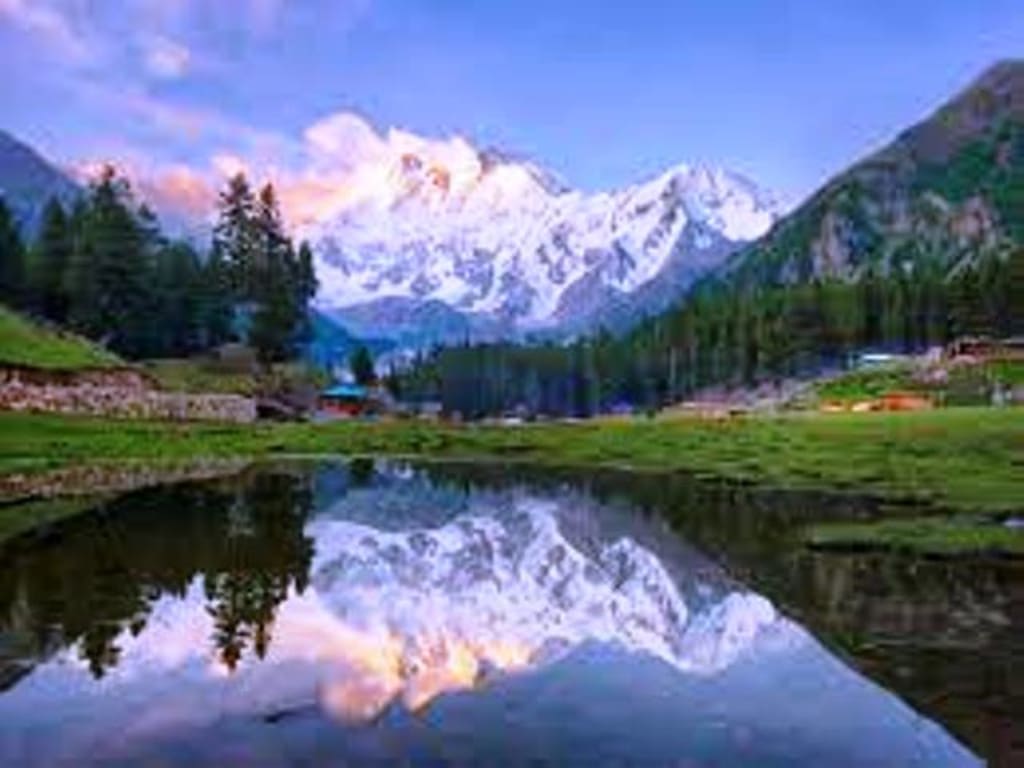
INTRODUCTION:
The Himalayas, often referred to as the "abode of snow," form a majestic and awe-inspiring mountain range in South Asia, spanning across several countries including India, Nepal, Bhutan, China (Tibet), and Pakistan. With its towering peaks, rugged landscapes, and diverse ecosystems, the Himalayas stand as an unparalleled natural wonder. Carved over millions of years through the collision of tectonic plates, these mountains boast the world's highest peak, Mount Everest, which symbolizes both the extraordinary challenges and indomitable human spirit. Beyond their geographical significance, the Himalayas hold deep cultural, spiritual, and environmental importance, hosting a tapestry of ancient traditions, sacred sites, and life-giving rivers that sustain millions of people across the region.
Highest Mountain Range:
The Himalayas are the highest mountain range in the world. Mount Everest, the highest peak on Earth, is part of the Himalayas and is situated on the border between Nepal and China (Tibet).
Diverse Ecosystems:
The Himalayas are home to a remarkable diversity of ecosystems, ranging from subtropical forests at lower elevations to alpine tundra and snow-covered peaks at higher elevations. This diversity supports a wide variety of plant and animal species.
Cultural and Religious Significance:
The Himalayas hold immense cultural and religious significance for many communities. They are considered sacred in various religions, including Hinduism and Buddhism. The region is dotted with numerous monasteries, temples, and pilgrimage sites.
Plate Tectonics and Geology:
The Himalayas were formed due to the collision of the Indian Plate and the Eurasian Plate. The ongoing collision continues to shape the landscape and has led to the growth of the mountains at a rate of a few centimeters per year.
Water Source for Major Rivers:
The Himalayas serve as the source of some of the world's major rivers, including the Ganges, Indus, Brahmaputra, and Yangtze. These rivers provide water and sustenance to millions of people living in the surrounding regions.
The Himalayas are a vast and complex geographical feature with many more fascinating aspects.
Himalayan People:
The Himalayan region is not only characterized by its stunning landscapes but also by its diverse and resilient communities that have thrived in the challenging terrain for generations. The people of the Himalayas encompass a rich tapestry of cultures, languages, and traditions, each shaped by the unique geography and historical interactions of the region. From the Sherpas of Nepal, known for their mountaineering expertise, to the indigenous tribes of Arunachal Pradesh in India, the Himalayan people exhibit remarkable adaptability and a deep connection to their surroundings. Their lives are intricately interwoven with the mountains, as they engage in activities ranging from herding yaks and practicing traditional agriculture to trading along ancient routes that crisscross the peaks. Religion plays a significant role, with Hinduism and Buddhism being prominent faiths, evident in the ornate monasteries, temples, and stupas that dot the landscape. Despite geographical isolation and environmental challenges, the Himalayan people maintain a strong sense of community, preserving their unique heritage while embracing the changes brought by modernity and globalization.
Geographical Features:
Mountain Peaks and Ranges
Valleys and Gorges
Glaciers and Icefields
Passes and Highways
Formation and Geology:
Plate Tectonics and Continental Collision
Fold Mountains and Thrust Faults
Rock Types and Geological Processe
Biodiversity and Ecosystems:
Flora and Fauna Diversity
Alpine Ecosystems and Adaptations
Endangered Species and Conservation
Cultural and Spiritual Significance:
Hindu and Buddhist Pilgrimage Sites
Monasteries and Temples
Festivals and Rituals
Climate and Weather:
Climatic Zones (Subtropical, Temperate, Alpine)
Monsoon Influence
Snowfall and Avalanche Patterns
Human Settlements and Livelihoods:
Indigenous Communities and Traditions
Farming and Agriculture
Tourism and Economic Impact
Water Sources and Hydrology:
Major Rivers Originating in the Himalayas
Glacial Meltwater and River Systems
Water Resource Management and Challenges
Environmental Challenges:
Climate Change Effects
Glacier Retreat and Melting
Landslides and Soil Erosion
Adventure and Exploration:
Trekking and Mountaineering
Adventure Tourism
Expeditions and Famous Climbers
Political and Cultural Boundaries:
Himalayan Countries and Borders
Cross-Border Trade and Relationships
About the Creator
Keep reading
More stories from writers in History and other communities.
World War I
The morning fog lay thick over the trenches of northern France, clinging to the earth as if it too feared what was about to happen. Private Thomas Hale pulled his coat tighter around himself, though it did little to stop the cold from seeping into his bones. He had been in the trenches for six months, yet the damp smell of mud, smoke, and fear still felt unfamiliar, like a nightmare he could not wake from.
By Maavia tahir6 days ago in History
Chicago Hospital Held Newborn Baby for 8 Months Over an Unpaid Medical Bill
Debts were handled much differently in the 19th and early 20th century. Back then, people who accrued debt had more to fear than letters and calls from collection agencies the same way we do today, especially if they owed a hospital or doctor money.
By Criminal Matters7 days ago in History
How to Succeed at the Benson Directory®
Congratulations and welcome to the Benson Directory® employee #22391! As our newest call handler, you will have the privilege of speaking with dozens of unique and interesting people on a daily basis as well as the opportunity to earn bonuses for high performance. Contained within this handbook you will find a set of ease to follow instructions designed to help you settle in to your new role and begin paving the way to success.
By S. A. Crawford3 days ago in Fiction




Comments (1)
hi... i am sujatha. this is my first work. so please comments this story.