
Hamid Karzai: The Man Who Stood at the Crossroads of History
When he left office in 2014, Karzai did so peacefully — a rarity in Afghan political history.

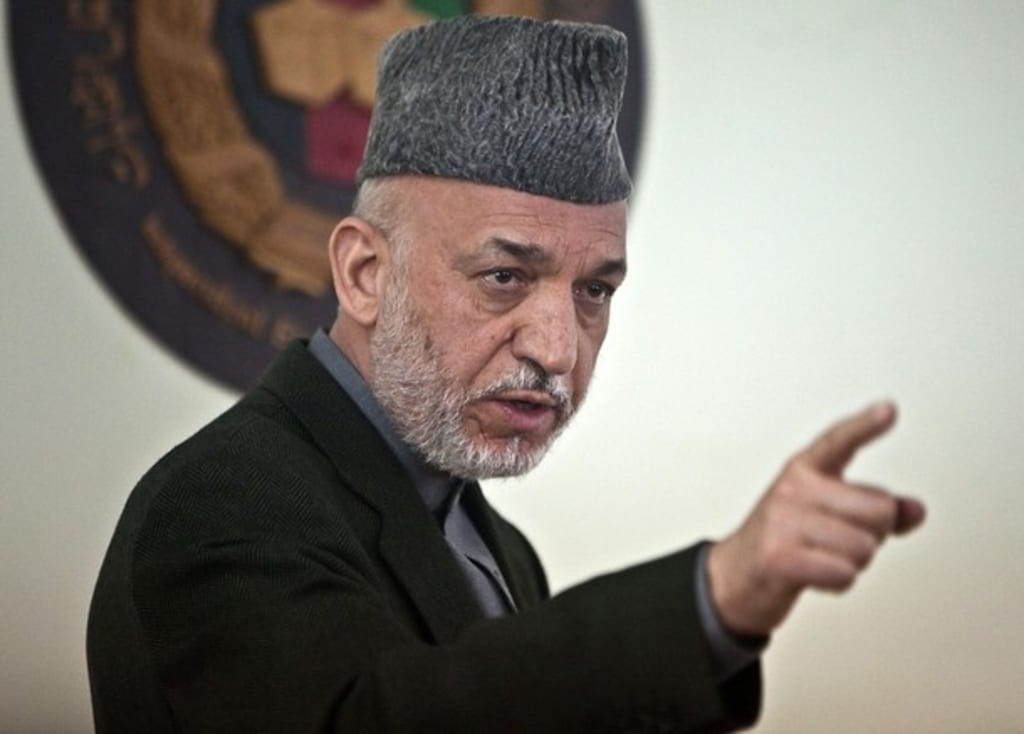
Hamid Karzai: The Man Who Stood at the Crossroads of History
In the rugged mountains of Kandahar, where the wind carries tales of warriors and poets, a young man once dreamed not of power, but of peace. Hamid Karzai, born in 1957 to a politically prominent Pashtun family, would grow into a figure of resilience, navigating one of the most complex political landscapes of the modern era — Afghanistan.
Karzai’s journey was not the usual tale of a politician rising through party ranks. His life was forged in exile, diplomacy, and tragedy. His father, Abdul Ahad Karzai, once a deputy speaker of the Afghan parliament during the reign of King Zahir Shah, was assassinated in Quetta, Pakistan, in 1999 — a moment that would shift the course of Hamid’s destiny. Until then, Karzai had been a political figure working quietly behind the scenes, building relationships with various Afghan groups and advocating for unity among the fragmented resistance.
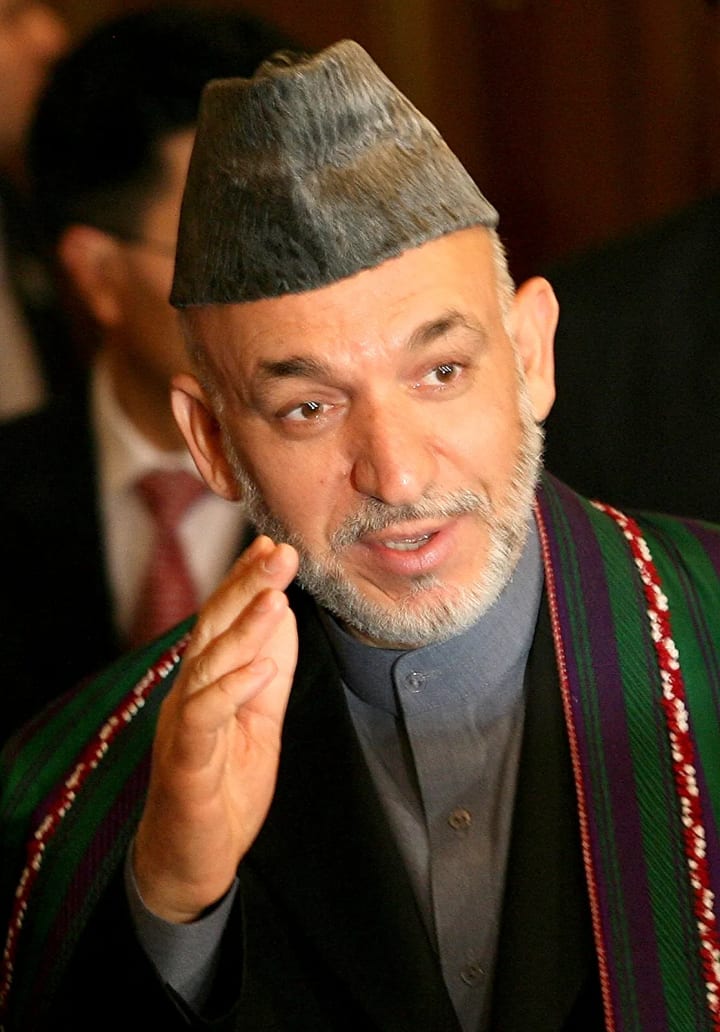
The rise of the Taliban in the mid-1990s was a turning point. Initially, like many others, Karzai hoped they would bring stability to a war-ravaged country. But soon, their brutal regime and foreign-dominated ideology repelled him. He broke ties with them and became one of the few Pashtun leaders openly opposing their rule. When the United States launched its military campaign in Afghanistan after 9/11, Karzai was one of the few Afghan leaders who could speak to both Western diplomats and tribal elders in their own language.
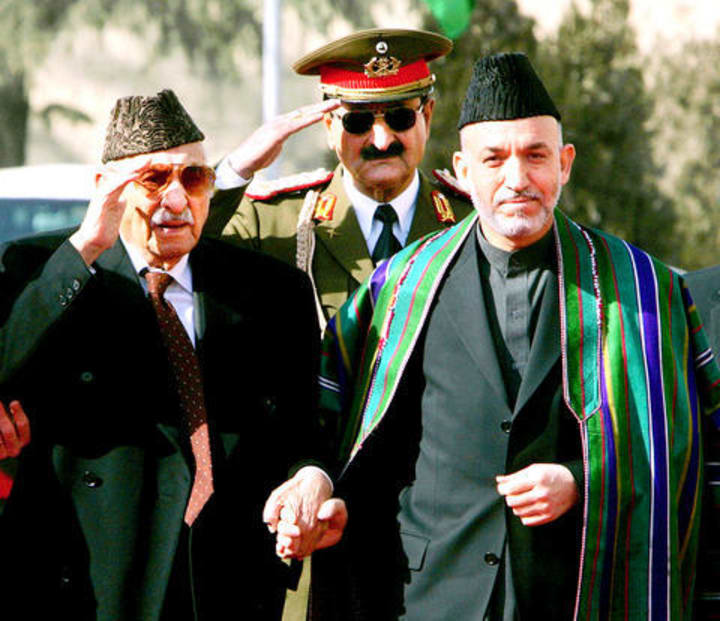
In December 2001, following the Bonn Agreement, Hamid Karzai was chosen to lead the Afghan Interim Administration. It was a symbolic choice — a bridge between the traditional tribal structures of Afghanistan and the modern democratic aspirations of the international community. Clad in his signature green chapan and karakul hat, Karzai became the face of a new Afghanistan.
Elected as the country's first democratically chosen president in 2004, Karzai inherited a land torn by decades of conflict, riddled with deep ethnic divisions, and haunted by warlords. His presidency was marked by efforts to rebuild institutions, create a functioning government, and bring development to rural areas. Roads were built, schools reopened, and millions of Afghan girls returned to classrooms after years in the shadows.
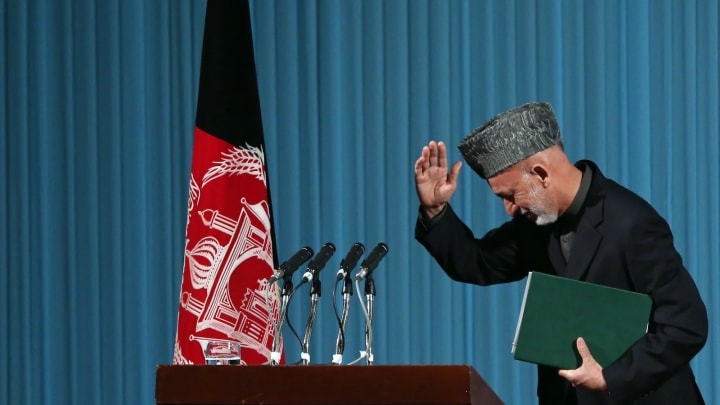
Yet, Karzai’s time in office was far from smooth. He was caught between foreign powers and internal pressures. His reliance on Western military forces and donors came with compromises that fueled public resentment. At the same time, he often clashed with U.S. and NATO officials, accusing them of undermining Afghan sovereignty.
His relationship with Washington, once close, became strained. Karzai criticized civilian casualties from NATO operations and the growing corruption among contractors. He often walked a tightrope — criticizing foreign forces while depending on them for security. Many of his critics accused his administration of being corrupt and ineffective, but his defenders argued that few could have done better under such impossible circumstances.
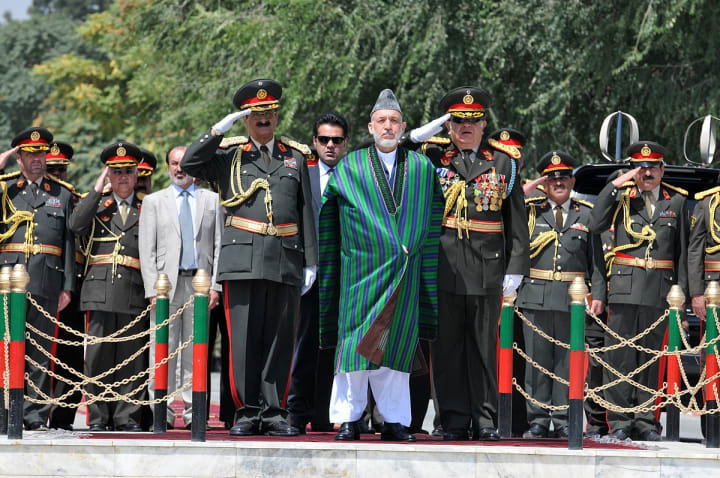
Despite the criticism, Karzai maintained his stance: Afghanistan must not be a puppet. He refused to sign the Bilateral Security Agreement with the U.S. at the end of his second term, leaving that decision to his successor. His defiance won him respect among many Afghans who saw him as a leader who, at the very least, refused to bow entirely to foreign interests.
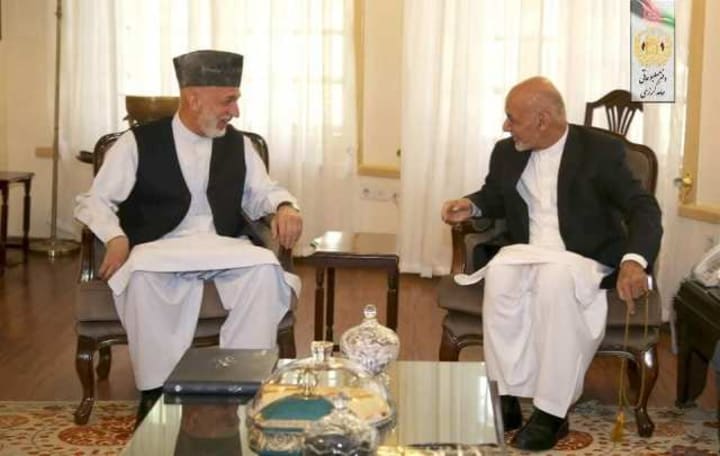
When he left office in 2014, Karzai did so peacefully — a rarity in Afghan political history. He did not seek to cling to power. Instead, he became a vocal critic of both his successors and ongoing foreign interference. He continued to advocate for peace talks with the Taliban long before such discussions were considered viable, urging Afghans to find a path forward through dialogue, not bullets.
Today, Hamid Karzai remains a significant figure in Afghanistan’s political landscape. Though he holds no official title, his words still carry weight. In a nation where power often comes through force, Karzai carved a different path — one of negotiation, patience, and cultural understanding.
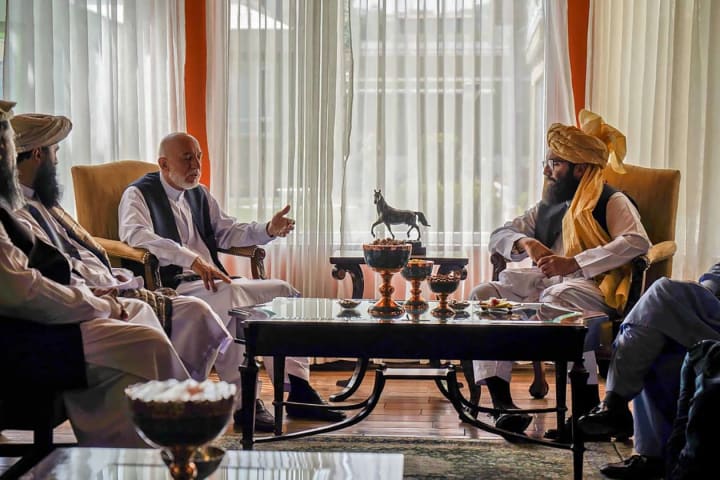
His story is not one of a perfect leader, but of a man who stepped into chaos with the hope of bringing order. He represents the complexities of modern Afghanistan: a land of tradition and transformation, pain and persistence.
And while history will debate his decisions and legacy, one thing remains clear — Hamid Karzai stood at the crossroads of war and peace and tried, in his own way, to choose peace.
About the Creator
Ihsas Feeling
I'm a writer writing information about technology. Discovery. history .Etc....Sta
Keep reading
More stories from Ihsas Feeling and writers in History and other communities.
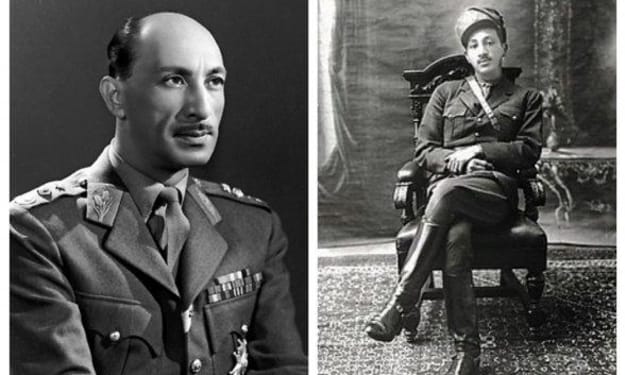
The Last King: The Story of Zahir Shah
The Last King: The Story of Zahir Shah Once upon a time, in the heart of Central Asia, nestled between towering mountains and ancient valleys, there lived a king who would become the symbol of peace and unity for his people. His name was Zahir Shah, the last king of Afghanistan.
By Ihsas Feeling 8 months ago in History
A massive underwater stone wall that is almost 7,000 years old is found by divers.
One of the buried stone monuments on Sein Island is a granite wall off Brittany that is more than 7,000 years old and the length of a football pitch. The discovery is being used by marine archaeologists in the vicinity of Île de Sein to explain how stone-built coastal villages predate the widespread spread of farming.
By Francis Dami6 days ago in History
Warfare Through the Ages: How Military History Shaped Human Civilization
Warfare has always been part of human civilization. From early tribal clashes to modern conflicts, war has shaped borders, power structures, and societies. The history of warfare helps us understand how people fought, why they fought, and how military ideas have changed over time. Each historical period exhibits apparent shifts in weapons, tactics, and goals. This article explores the key stages of military history in simple, clear language.
By Matthew Pothoff3 days ago in History
Miss Persephone's Manual to a Seemingly Ordinary Life
Miss Persephone was found at the dining table, her blue eyes swollen, her tears arriving and retreating like the tides of the ocean. Earlier that day, her family had visited her in the retirement home where she had lived for eight years. It was her eightieth birthday.
By Imola Tóth3 days ago in Fiction


Comments
There are no comments for this story
Be the first to respond and start the conversation.