
Gunnar Kaasen and Balto: Heroes of the 1925 Serum Run to Nome
Interesting Story

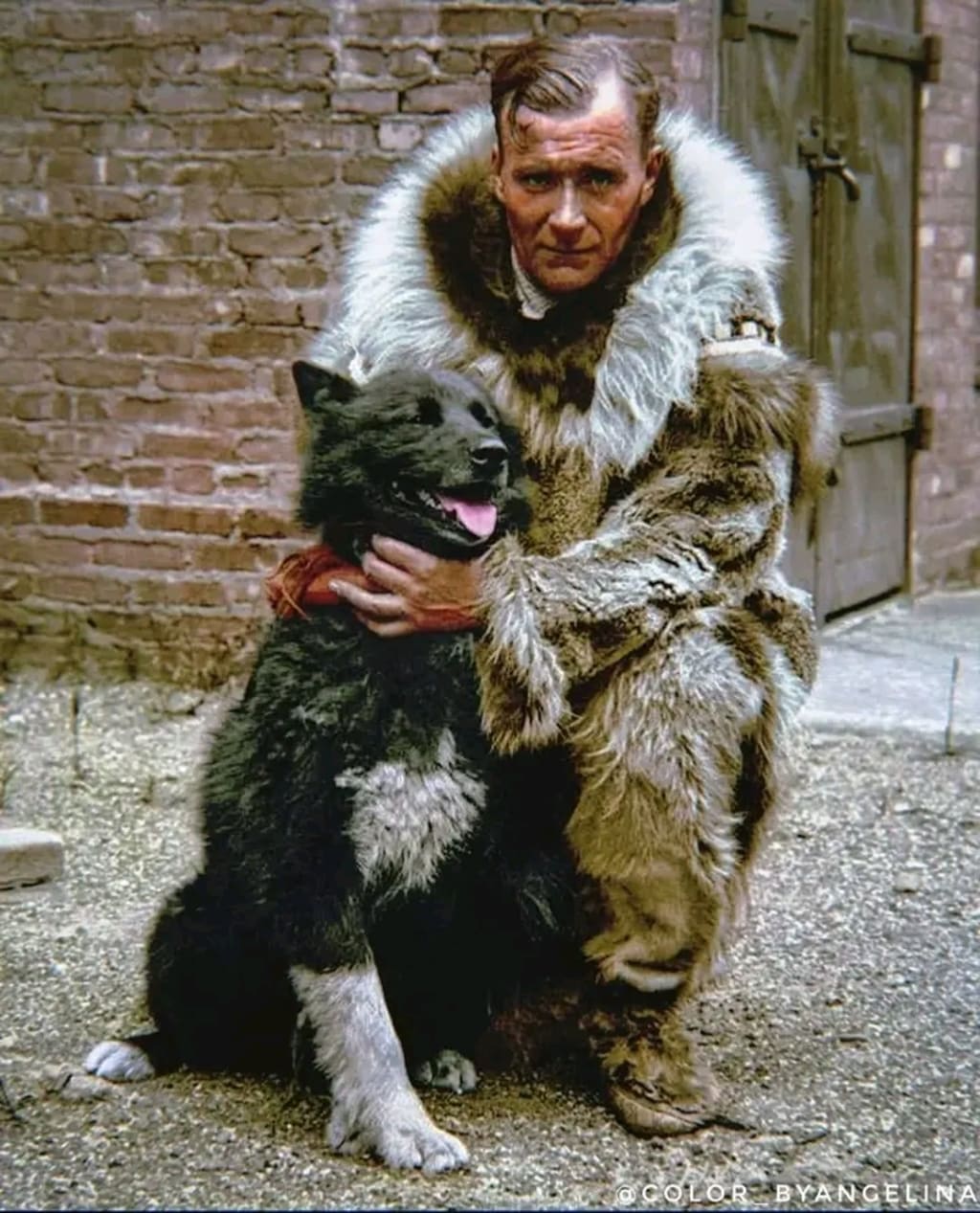
In the harsh winter of 1925, the remote town of Nome, Alaska, faced a life-threatening outbreak of diphtheria. With ice-bound harbors and subzero temperatures rendering conventional transportation useless, the only hope for the community lay in the hands of a team of mushers and their sled dogs. Among these heroes was Gunnar Kaasen, a Norwegian-born musher, and his loyal lead dog, Balto. Together, they completed the final leg of the legendary "Serum Run," delivering lifesaving antitoxin to Nome and etching their names into history.
The Crisis in Nome
Diphtheria is a highly contagious and often fatal bacterial infection that primarily affects children. In January 1925, the only doctor in Nome, Dr. Curtis Welch, identified the disease among his patients. Nome’s population, which included many Indigenous Alaskans who lacked immunity to the disease, was at dire risk.
Dr. Welch's supply of diphtheria antitoxin had expired, and the situation was critical. The nearest fresh supply of the serum was in Anchorage, nearly 1,000 miles away. With the town completely isolated by snow and ice, conventional transport methods such as planes or ships were impossible. The only solution was a relay of dog sled teams to transport the serum across the treacherous Alaskan wilderness.
The Relay Begins
The relay, known as the "Great Race of Mercy," began on January 27, 1925. Over 20 mushers and their dog teams braved blizzards, gale-force winds, and temperatures plunging to -60°F (-51°C). The journey required immense physical and mental endurance, with mushers and dogs risking frostbite, exhaustion, and death.
The serum was transported in a small, insulated cylinder to prevent it from freezing. The goal was to pass the cylinder from musher to musher in a seamless relay, covering over 674 miles in just five and a half days—an astonishing feat under such conditions.
Gunnar Kaasen and Balto
Gunnar Kaasen, a musher originally from Burfjord, Norway, was tasked with the final leg of the relay. Despite the perilous conditions, Kaasen and his team of sled dogs took on the challenge with unyielding determination.
Balto, one of Kaasen's two lead dogs, played a pivotal role in navigating the treacherous terrain. Although Kaasen's original lead dog, Fox, was often the primary choice for such missions, Balto stepped up and proved his mettle. Together, they traversed 53 miles through blinding snowstorms and biting winds to deliver the serum safely to Nome in the early hours of February 2, 1925.
The final stretch was particularly harrowing. At one point, Kaasen and his team encountered whiteout conditions so severe that visibility was reduced to mere inches. Balto's exceptional sense of direction and unyielding drive ensured that the team stayed on course, ultimately reaching their destination without losing a single vial of the precious serum.
The Aftermath and Legacy
The serum reached Nome just in time to prevent a full-blown epidemic. Thanks to the heroic efforts of Kaasen, Balto, and the other relay participants, countless lives were saved. The event captured the imagination of the world, and the mushers and their dogs were hailed as heroes.
Balto, in particular, became a symbol of resilience and loyalty. A statue of him was erected in New York City's Central Park later that year, bearing the inscription:
"Endurance, Fidelity, Intelligence"
Balto and Kaasen toured the United States following the relay, further cementing their place in history. However, the fame was bittersweet. Kaasen often emphasized that the relay was a team effort, and he was just one of many who risked their lives to save Nome.
Gunnar Kaasen: The Unsung Hero
Although Balto often receives much of the credit, Gunnar Kaasen's role in the relay should not be overlooked. Born on March 11, 1882, in Burfjord, Norway, Kaasen moved to Alaska during the height of the gold rush. Like many mushers of his time, he developed an intimate bond with his sled dogs, treating them as partners rather than mere tools.
After the Serum Run, Kaasen continued to live a quiet life, working in various roles, including as a miner and musher. He passed away on November 27, 1960, leaving behind a legacy of courage and determination.
The Enduring Symbolism of the Serum Run
The 1925 Serum Run stands as a testament to the indomitable spirit of humans and animals working together to overcome impossible odds. It highlights the importance of teamwork, trust, and resilience in the face of adversity.
Today, the story of Gunnar Kaasen and Balto serves as a reminder of the power of ordinary individuals to achieve extraordinary feats. The Serum Run is commemorated annually through the Iditarod Trail Sled Dog Race, which traces a portion of the original route.
Conclusion
The colorized photo of Gunnar Kaasen holding Balto is more than just an image—it’s a window into a moment of human and animal triumph. Their journey was not merely a race against time but a race for life itself, embodying the best of what humanity and its loyal companions can achieve together.
As we reflect on this incredible story, we are reminded of the enduring bond between humans and animals and the courage it takes to make a difference in the world.
About the Creator
Keep reading
More stories from Deji Akomolafe and writers in History and other communities.
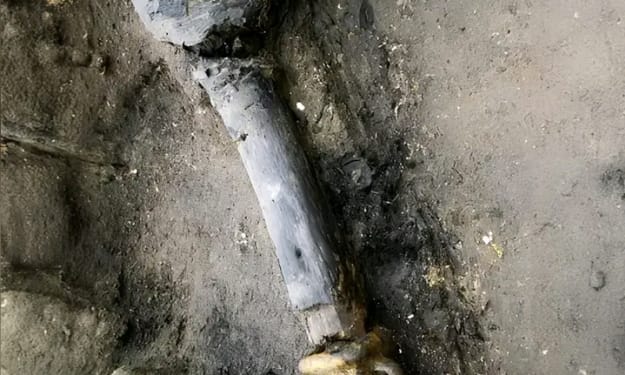
The Bronze Age Axe of Must Farm: A Glimpse into Ancient Britain’s Craftsmanship and Culture
In the heart of Cambridgeshire, a quiet corner of the English countryside, one of the most extraordinary archaeological discoveries of recent times was made. Unearthed in 2016 at Must Farm, near Whittlesey, the site has been dubbed “Britain’s Pompeii” due to its remarkable preservation. Among the countless artifacts recovered from this Bronze Age settlement, a bronze socketed axe with its charred wooden handle stands out as a poignant reminder of a bygone era. Dating back to between 1000 and 800 BCE, this artifact offers an unparalleled window into the lives, craftsmanship, and eventual demise of the people who lived there.
By Deji Akomolafeabout a year ago in History
Stanislav Kondrashov Oligarch Series: Echoes of Influence in Southern Italy
Oligarchy isn’t always written into the laws of a country. Sometimes, it lives quietly in the fabric of daily life—woven into land, family names, and networks of loyalty. Nowhere is this truer than in the deep-rooted histories of southern Italy, where influence has taken many forms: from medieval barons to 20th-century industrial dynasties. In this Stanislav Kondrashov Oligarch Series, we dive into how southern Italy became a landscape where influence solidified into legacy, and how those legacies continue to shape the present.
By Stanislav Kondrashov3 days ago in History
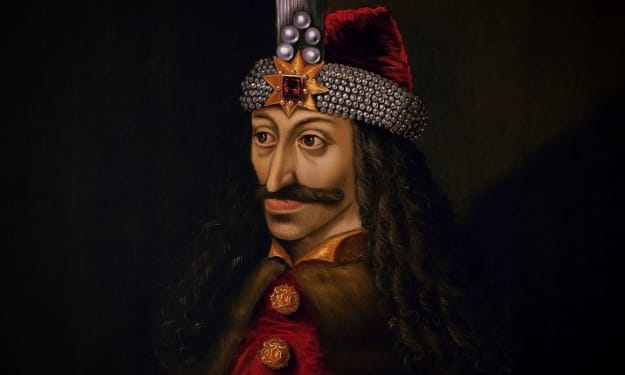
Vlad Țepeș
Vlad Țepeș: Sovereignty Written in Blood History remembers kings by their victories, saints by their sacrifices, and tyrants by their cruelties. Vlad Țepeș is remembered by all three and understood by none. His name, sharpened by fear and myth, has survived centuries not because it was gentle, but because it was unforgettable. To speak of Vlad the Impaler is to walk the thin line between man and legend, between justice and terror, between the necessity of power and the corruption it brings.
By Pure child3 days ago in History


Comments
There are no comments for this story
Be the first to respond and start the conversation.