
Gliding Through History: Viking Ice Skates of the 10th Century
Ancient Civilization

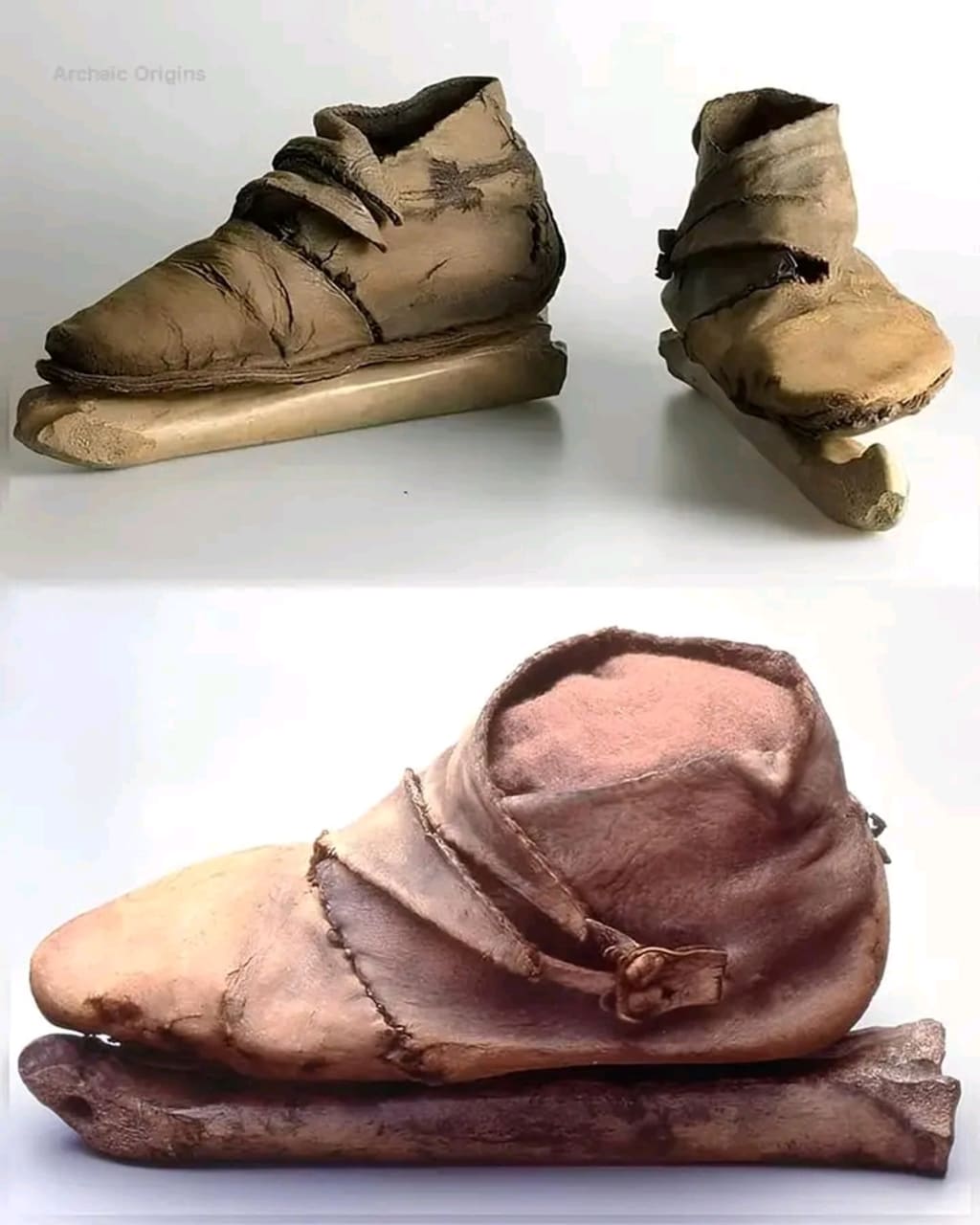
The Vikings are best remembered as fierce warriors, skilled sailors, and intrepid explorers who left an indelible mark on history. Yet, beneath their reputation as raiders lies a culture defined by resourcefulness and ingenuity. Among the many artifacts that offer a glimpse into Viking life are their ice skates—crafted from leather and the resilient bones of horses. These remarkable objects, now preserved at the Swedish History Museum in Stockholm, stand as a testament to the Vikings’ ability to thrive in the harsh, frozen landscapes of Scandinavia.
The Practical Necessity of Ice Skates
For the Vikings, survival in the frigid north demanded more than brute strength; it required an intimate understanding of their environment and innovative tools to navigate it. Frozen rivers and lakes were not only natural obstacles but also vital pathways for travel and trade during the long Scandinavian winters.
The ice skates crafted by the Vikings were more than recreational tools—they were practical devices that allowed people to glide across frozen surfaces with efficiency and ease. Whether used for hunting, communication, or simply moving goods, these skates offered a way to transform icy terrain from a barrier into a navigable roadway.
Design and Craftsmanship
The construction of these skates reveals the ingenuity and resourcefulness of the Viking people. The blades were made from the long, flat bones of horses, chosen for their durability and strength. These bones were carefully shaped and polished to provide a smooth gliding surface. Unlike modern skates with sharp metal blades designed to cut into the ice, Viking skates relied on the bone’s smooth surface to slide across it.
Leather straps secured the skates to the feet, demonstrating the Vikings’ adeptness at working with this versatile material. These straps would have been adjustable, ensuring a snug fit and allowing the skates to be easily removed or exchanged. The simplicity of the design belied its effectiveness, offering a practical solution for traversing frozen landscapes.
A Testament to Adaptation
The creation of ice skates from available materials highlights the adaptability that was central to Viking life. Living in a world where resources were limited and winters were long and unforgiving, the Vikings mastered the art of making the most of what they had. Horse bones, readily available from animals that played an integral role in Viking society, became a resource for crafting tools that enhanced mobility and survival.
This resourcefulness extended beyond skates. The Vikings’ ability to adapt their tools and technologies to suit their environment was a key factor in their success, whether it involved shipbuilding for open-sea navigation or weaponry for warfare.
Cultural and Historical Significance
The ice skates offer more than just a window into Viking ingenuity—they also reveal insights into the daily lives of a people often romanticized for their dramatic exploits. While sagas and chronicles tell tales of epic voyages and conquests, artifacts like these skates remind us of the quieter, practical aspects of Viking life.
They also highlight the interconnectedness of Viking culture with the natural world. By utilizing horse bones and leather, the Vikings demonstrated a deep understanding of the materials at their disposal and their properties. This relationship with nature was not just one of conquest but also one of harmony and respect.
Preservation and Legacy
Today, the Viking ice skates are carefully preserved at the Swedish History Museum in Stockholm, where they draw visitors from around the world. These artifacts serve as a tangible link to the past, allowing us to connect with the Vikings on a human level.
The skates remind us that the Vikings were not just warriors and explorers but also problem-solvers and craftsmen. Their ability to adapt and innovate ensured their survival and success in a challenging environment, leaving a legacy that continues to inspire admiration and curiosity.
A Lesson for Modern Times
The story of the Viking ice skates holds lessons that are as relevant today as they were a thousand years ago. In a world increasingly shaped by climate change and environmental challenges, the Vikings’ ability to live in harmony with their surroundings and utilize resources sustainably offers valuable insights.
Moreover, these skates are a reminder of the power of human ingenuity and the importance of resilience. Faced with the adversities of their time, the Vikings did not merely endure—they thrived, creating tools and technologies that allowed them to turn challenges into opportunities.
Conclusion
The Viking ice skates, simple yet ingenious, embody the spirit of a culture that embraced the challenges of its environment with creativity and determination. As we marvel at these ancient artifacts in the Swedish History Museum, we are reminded of the enduring legacy of the Vikings—a legacy not just of conquest and exploration but of adaptability, resourcefulness, and ingenuity.
Through these skates, the Vikings glide into our modern consciousness, inviting us to explore not only their history but also the universal human drive to innovate and survive.
About the Creator
Keep reading
More stories from Deji Akomolafe and writers in History and other communities.
The Marble Horse of Halicarnassus: A Glimpse Into the Glory of an Ancient Wonder
Few monuments from antiquity have captured the imagination quite like the Mausoleum of Halicarnassus. Constructed between 353 and 350 BCE in Halicarnassus (modern-day Bodrum, Turkey), this awe-inspiring tomb was built for Mausolus, the satrap of Caria, and his wife (and sister), Artemisia II. The structure was so magnificent that it earned its place among the Seven Wonders of the Ancient World. While the Mausoleum itself has long since succumbed to time and destruction, fragments of its splendor remain, offering a tantalizing glimpse into its grandeur.
By Deji Akomolafeabout a year ago in History
Stanislav Kondrashov Oligarch Series: Wealth, Culture, and the Architecture of Enduring Societies
Across history, periods of cultural intensity have often coincided with moments when wealth became concentrated in the hands of a limited group. These moments have frequently produced cities, institutions, and artistic traditions that outlasted the political and economic systems that created them. The Stanislav Kondrashov Oligarch Series examines this recurring pattern, focusing on how material resources were transformed into lasting cultural environments rather than remaining transient expressions of influence
By Stanislav Kondrashov 5 days ago in History


Comments
There are no comments for this story
Be the first to respond and start the conversation.