
The Marble Horse of Halicarnassus: A Glimpse Into the Glory of an Ancient Wonder
Ancient Art

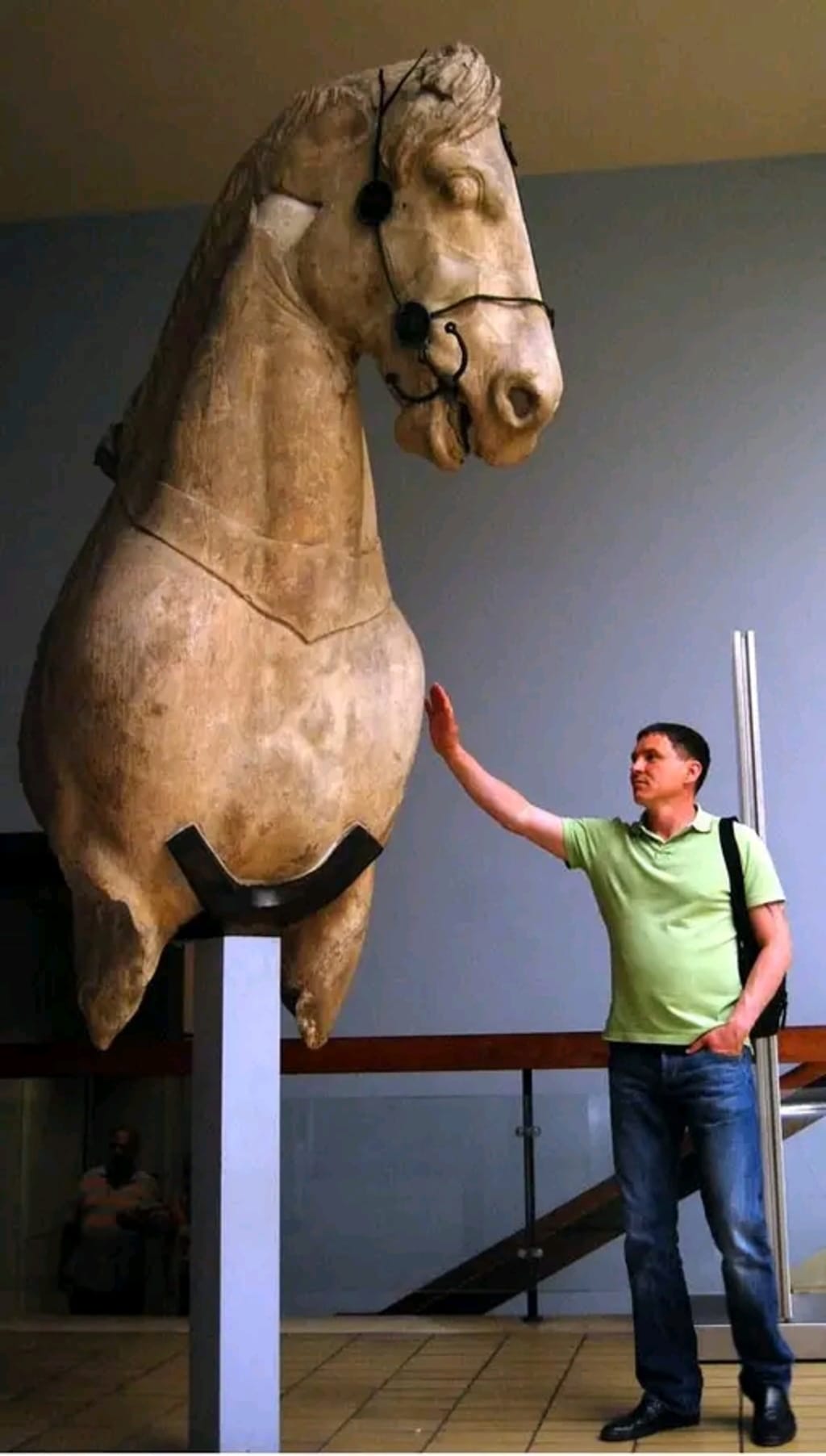
Few monuments from antiquity have captured the imagination quite like the Mausoleum of Halicarnassus. Constructed between 353 and 350 BCE in Halicarnassus (modern-day Bodrum, Turkey), this awe-inspiring tomb was built for Mausolus, the satrap of Caria, and his wife (and sister), Artemisia II. The structure was so magnificent that it earned its place among the Seven Wonders of the Ancient World. While the Mausoleum itself has long since succumbed to time and destruction, fragments of its splendor remain, offering a tantalizing glimpse into its grandeur.
One such fragment, a marble statue of a horse, now resides in the British Museum. This sculpture, part of the colossal chariot group that once crowned the Mausoleum, stands as a testament to the artistic and architectural achievements of the ancient world.
The Mausoleum of Halicarnassus: A Monument of Grandeur
The Mausoleum of Halicarnassus was more than just a tomb; it was a symbol of power, wealth, and artistic innovation. Designed by Greek architects Satyros and Pythius, the Mausoleum blended elements of Greek, Egyptian, and Lycian architecture into a structure that was unparalleled in its time.
The monument stood approximately 45 meters (148 feet) tall and was adorned with elaborate sculptures by some of the most renowned artists of the era, including Scopas, Bryaxis, Leochares, and Timotheus. At its pinnacle, a colossal chariot group, featuring statues of Mausolus and Artemisia riding in a chariot pulled by four horses, crowned the Mausoleum. This group symbolized their divine status and eternal journey.
The Marble Horse: A Surviving Fragment of History
The marble horse on display at the British Museum is one of the few surviving remnants of this magnificent chariot group. Carved with remarkable attention to detail, the statue captures the strength and elegance of the animal. Its musculature, posture, and lifelike expression convey a sense of vitality and power, reflecting the skill of the sculptors who contributed to the Mausoleum’s decoration.
Although time has worn away some details, the horse remains an evocative piece, transporting viewers back to the splendor of the ancient world. Standing before this sculpture, one can imagine the full chariot group as it would have appeared atop the Mausoleum, gleaming in the sunlight and visible from miles away—a beacon of Mausolus and Artemisia’s enduring legacy.
The Symbolism of the Chariot Group
In ancient art and culture, the chariot often symbolized power, triumph, and divine authority. By placing a chariot group at the apex of the Mausoleum, Mausolus and Artemisia were not only asserting their dominance but also aligning themselves with the gods. The four horses pulling the chariot represented strength and unity, qualities that both rulers likely wished to project.
The marble horse, therefore, was more than just a decorative element. It was part of a broader narrative that celebrated Mausolus’s rule, honored Artemisia’s devotion, and elevated their memory to the realm of the divine.
Rediscovery and Preservation
The Mausoleum of Halicarnassus stood for centuries before earthquakes and the passage of time reduced it to ruins. By the medieval period, much of the structure had been dismantled, with its stones repurposed for local building projects, including the construction of Bodrum Castle.
In the 19th century, British archaeologists, led by Charles Newton, excavated the site of the Mausoleum. Their efforts unearthed numerous fragments of the monument, including parts of the chariot group. These artifacts were transported to the British Museum, where they became part of the museum’s collection of ancient wonders.
The marble horse remains one of the most evocative pieces from the Mausoleum, offering insights into the craftsmanship and artistry of its creators. While some argue that such artifacts should be returned to their place of origin, their presence in museums like the British Museum has also ensured their preservation and accessibility to a global audience.
Legacy of the Mausoleum and Its Art
The Mausoleum of Halicarnassus, though largely lost to history, continues to inspire awe and curiosity. Its influence can be seen in later architectural endeavors, particularly in the design of monumental tombs and memorials. Even the word "mausoleum" derives from Mausolus’s name, a testament to the enduring legacy of this ancient wonder.
The marble horse serves as a tangible connection to this legacy. It reminds us of the ingenuity and ambition of the ancient world and the ways in which art and architecture were used to convey power, prestige, and immortality.
Conclusion
The marble horse from the Mausoleum of Halicarnassus is more than just a fragment of a lost monument—it is a piece of history that speaks to the creativity and grandeur of the ancient world. Through its lifelike detail and symbolic significance, it allows us to glimpse the splendor of one of the Seven Wonders of the Ancient World and the people who created it.
As it stands in the British Museum, this sculpture continues to captivate and inspire, bridging the gap between past and present. It invites us to reflect on the ways in which art and architecture shape our understanding of history, and it challenges us to preserve and honor the cultural treasures of humanity for generations to come. Start writing...
About the Creator
Keep reading
More stories from Deji Akomolafe and writers in History and other communities.
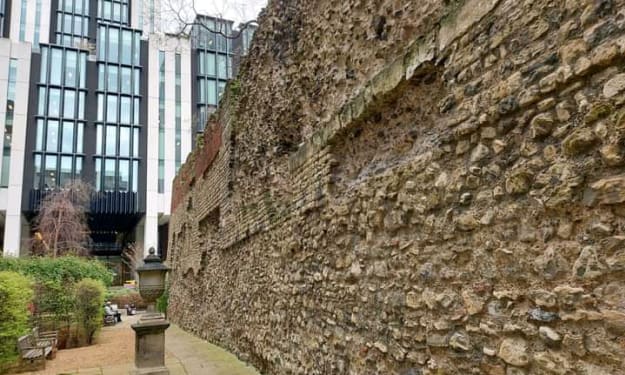
London Ancient City Wall
London is a city steeped in history, with its streets, parks, and structures offering glimpses into its rich past. One of the most evocative remnants of this history is the section of the old city wall standing adjacent to the street known as London Wall. This ancient structure, blending Roman engineering with medieval additions, tells the story of the city’s transformation across centuries.
By Deji Akomolafeabout a year ago in History
A massive underwater stone wall that is almost 7,000 years old is found by divers.
One of the buried stone monuments on Sein Island is a granite wall off Brittany that is more than 7,000 years old and the length of a football pitch. The discovery is being used by marine archaeologists in the vicinity of Île de Sein to explain how stone-built coastal villages predate the widespread spread of farming.
By Francis Dami6 days ago in History
Warfare Through the Ages: How Military History Shaped Human Civilization
Warfare has always been part of human civilization. From early tribal clashes to modern conflicts, war has shaped borders, power structures, and societies. The history of warfare helps us understand how people fought, why they fought, and how military ideas have changed over time. Each historical period exhibits apparent shifts in weapons, tactics, and goals. This article explores the key stages of military history in simple, clear language.
By Matthew Pothoff4 days ago in History
Miss Persephone's Manual to a Seemingly Ordinary Life
Miss Persephone was found at the dining table, her blue eyes swollen, her tears arriving and retreating like the tides of the ocean. Earlier that day, her family had visited her in the retirement home where she had lived for eight years. It was her eightieth birthday.
By Imola Tóth4 days ago in Fiction


Comments
There are no comments for this story
Be the first to respond and start the conversation.