
From Pyramids to Skyscrapers: The Journey from Ancient to Modern Civilizations
Understanding Our Past to Navigate the Future of Civilization
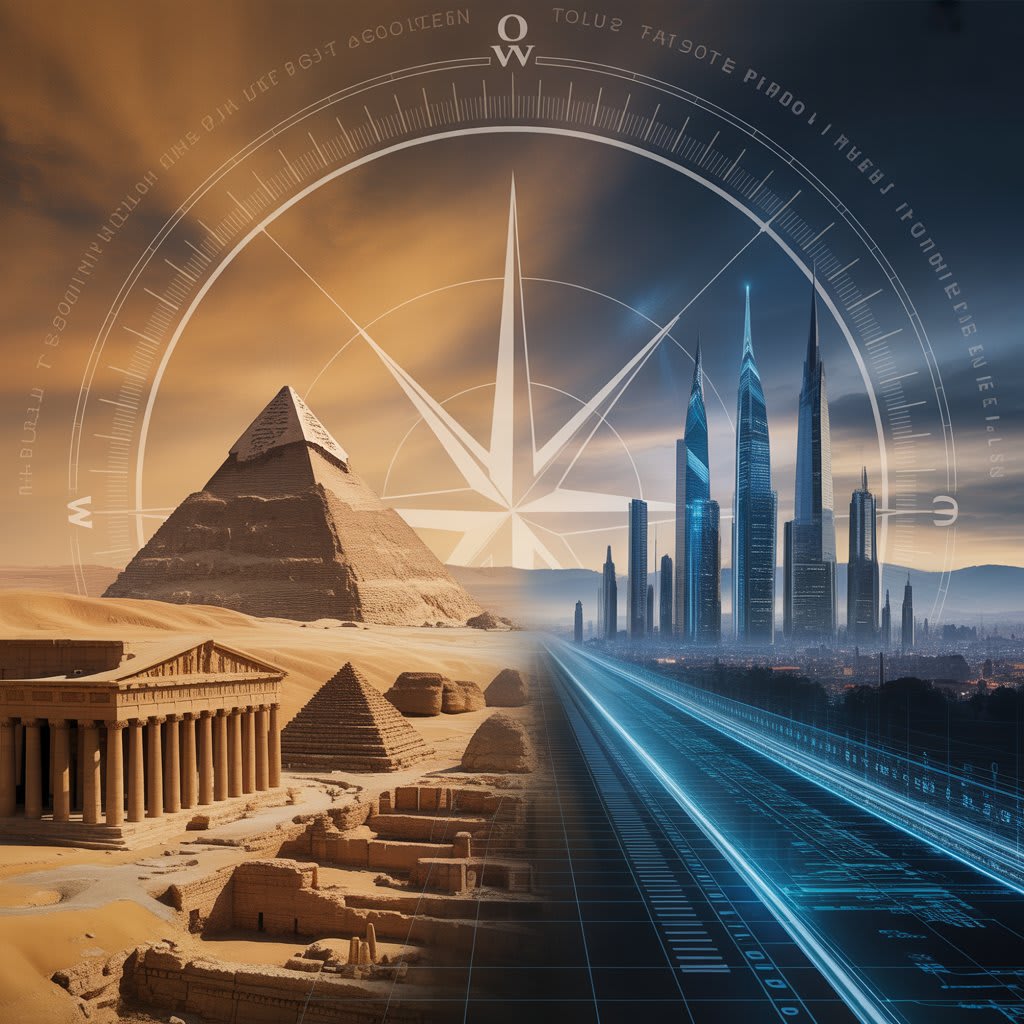
Human civilization is a story of constant evolution, marked by the rise and fall of empires, the birth of cultures, and the relentless pursuit of progress. From the awe-inspiring pyramids of ancient Egypt to the towering skyscrapers that define modern city skylines, humanity’s architectural and cultural journey reflects a broader narrative about innovation, adaptation, and the quest to understand our place in the world. This journey is not just a chronological progression but a rich tapestry of lessons that help us comprehend our past and shape a sustainable and enlightened future.
The Foundations: Ancient Civilizations and Their Enduring Legacy
The ancient world laid the groundwork for many aspects of modern society. Civilizations like those of Egypt, Mesopotamia, the Indus Valley, Greece, and Rome pioneered developments in governance, philosophy, architecture, and technology that resonate even today. The pyramids, for instance, are more than monumental tombs; they symbolize the Egyptians’ mastery of mathematics, engineering, and organizational skill. These structures required an intricate understanding of geometry, logistics, and social coordination—skills that form the backbone of modern engineering and urban planning.
Similarly, ancient Greece gave birth to democracy, philosophy, and scientific inquiry, ideas that remain central to contemporary political and intellectual life. The Roman Empire’s innovations in law, architecture, and infrastructure—such as roads and aqueducts—laid the foundations for modern urban living and governance. These ancient societies were not isolated achievements; they formed interconnected networks of trade, culture, and knowledge exchange, foreshadowing the globalized world we live in today.
The Transition: Middle Ages to Renaissance
Following the collapse of many ancient empires, the Middle Ages saw a different kind of progress. While often mistakenly labeled the “Dark Ages,” this period preserved and transmitted ancient knowledge through monastic scholarship and Islamic Golden Age advancements. The Renaissance later reignited a passion for classical learning and humanism, driving innovations in art, science, and technology.
The architectural transition from cathedrals to castles, and eventually to early modern cities, illustrates humanity’s shifting priorities and capabilities. The Renaissance emphasis on perspective, symmetry, and proportion influenced not just art but also urban planning, setting the stage for more organized and functional modern cities.
The Leap: Industrial Revolution and Modernity
The true transformation from ancient to modern civilizations accelerated dramatically during the Industrial Revolution. Innovations in machinery, transportation, and communication revolutionized economies and societies worldwide. Cities grew vertically with the advent of steel-frame construction and elevators, giving birth to the skyscraper—a symbol of modernity and human ambition.
Skyscrapers are not merely tall buildings; they represent technological mastery, economic power, and cultural identity. From the Flatiron Building in New York City to the Burj Khalifa in Dubai, these structures reflect the aspirations and capabilities of their societies. They also symbolize a shift in how humans interact with space, technology, and each other, fostering dense, interconnected urban centers that are hubs of innovation and cultural exchange.
Lessons from the Past: Architecture as a Mirror of Society
Architecture across ages reveals more than aesthetic values; it reflects the societal structures, beliefs, and technological prowess of civilizations. The monumental scale of pyramids demonstrated ancient rulers’ divine authority and centralized power, while the democratic forums of ancient Greece embodied participatory governance. Modern skyscrapers, with their glass facades and sustainable design principles, showcase transparency, innovation, and an increasing awareness of environmental responsibility.
By studying these architectural milestones, we gain insights into how societies organized themselves, what they valued, and how they responded to challenges. For instance, the resilience of ancient infrastructure teaches us the importance of sustainability and long-term planning—a lesson urgently relevant today as modern cities face climate change and resource constraints.
Navigating the Future: Integrating Heritage and Innovation
Understanding our past is crucial as we navigate the future of civilization. Modern challenges—urban overcrowding, climate change, social inequality—demand innovative solutions grounded in a respect for history and culture. Sustainable architecture, smart cities, and green technologies draw inspiration from ancient practices, such as passive cooling techniques and communal urban layouts, adapting them with cutting-edge technology.
Furthermore, the journey from pyramids to skyscrapers reminds us of the importance of inclusivity and adaptability. Ancient civilizations often thrived when they embraced diversity and knowledge exchange; modern societies must continue this tradition on a global scale, fostering collaboration across cultures and disciplines.
Conclusion: A Continuous Journey of Progress
The journey from pyramids to skyscrapers is not merely about structures of stone and steel but about human resilience, creativity, and the relentless pursuit of progress. It is a narrative of how past achievements inform present innovations and inspire future possibilities.
By understanding our past, we equip ourselves with the wisdom to build a future that honors heritage while embracing change. The lessons embedded in ancient civilizations and reflected in modern marvels encourage us to design societies that are not only advanced but also just, sustainable, and interconnected—a civilization truly worthy of the legacy from pyramids to skyscrapers.
About the Creator
Keep reading
More stories from Saqib Ahmad Sultan and writers in History and other communities.
A New Balance: Transformations in Global Power
The world is undergoing a profound transformation. For centuries, global power has been concentrated in the hands of Western nations—primarily the United States and Europe—shaping the rules of diplomacy, trade, and international governance. But the once-stable balance of power is being disrupted. New players are rising, old alliances are being tested, and the frameworks that have long defined the global order are being challenged. This shift does not signal the collapse of the West but rather the emergence of a more multipolar world—an era where power is more evenly distributed and the rules are increasingly rewritten.
By Saqib Ahmad Sultan4 months ago in History
Seven Dials
Introduction Seven Dials is a famous and historic area located in London, England. It is found near Covent Garden, one of the busiest and most popular parts of the city. Seven Dials is known for its unique road design, rich history, old buildings, shops, cafés, and lively atmosphere. Today, it is a popular place for tourists and local people who enjoy culture, shopping, and history.
By Farhan Sayed5 days ago in History
A secret staircase found beneath a 1,500-year-old French church
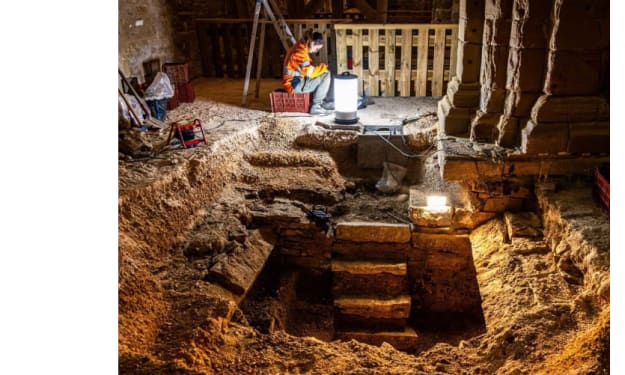
A subterranean staircase and burial strata dating back approximately 1,500 years were discovered during a project inside the Church of Saint Philibert in Dijon, France. The stairs were discovered by restoration workers inside the church when repairs were being made, and the excavation soon ensued.
By Francis Dami5 days ago in History



Comments
There are no comments for this story
Be the first to respond and start the conversation.