
Flashpoint in the Middle East: Iran-Israel Hostilities Intensify
A deep dive into the escalating tensions, regional implications, and the fragile balance of power between two rivals
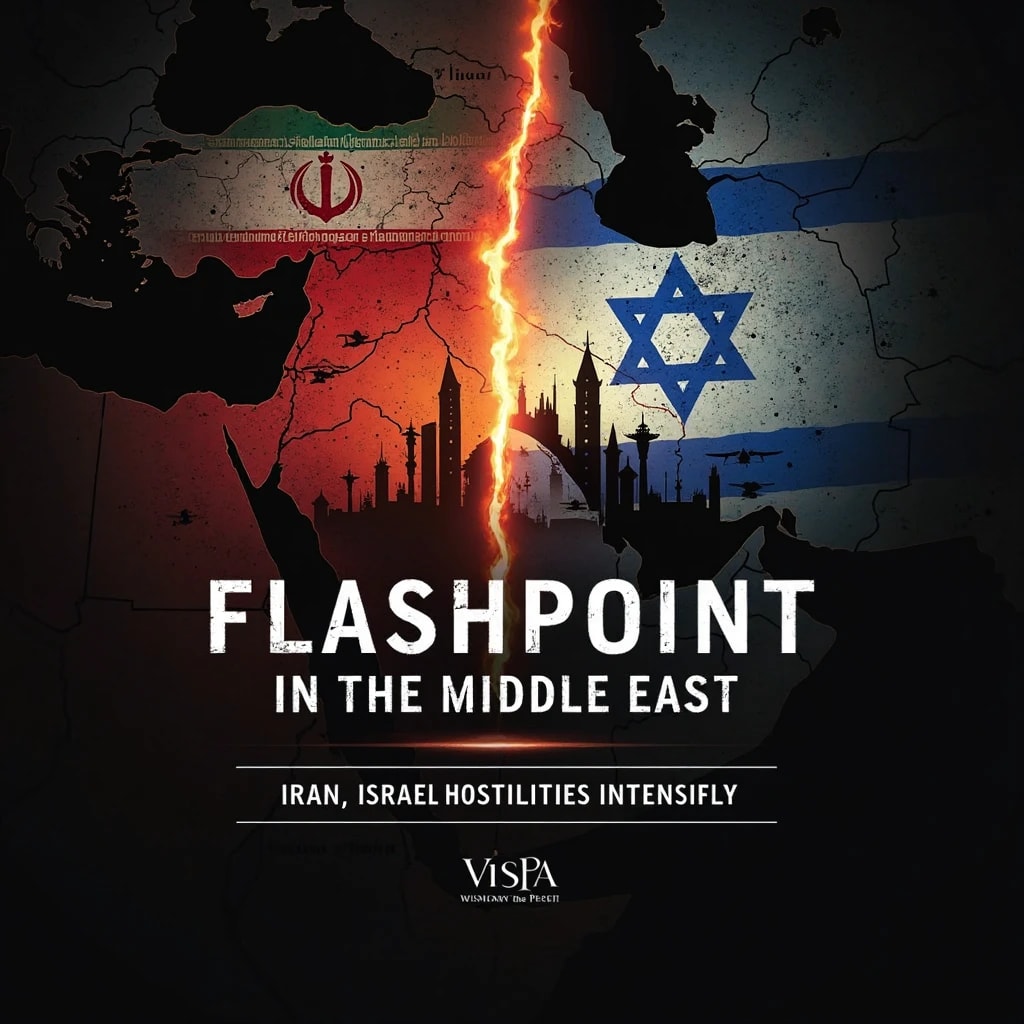
Flashpoint in the Middle East: Iran-Israel Hostilities Intensify
The Middle East, a region long marked by shifting alliances, deep-rooted conflicts, and complex geopolitical rivalries, is once again at the brink of escalation. The growing hostilities between Iran and Israel have emerged as one of the most volatile flashpoints, with implications that extend far beyond their borders. In recent months, tensions have sharply increased, threatening to plunge the region into a wider conflict. Understanding the dynamics behind this struggle, its causes, and potential outcomes is essential to grasp the precarious state of Middle Eastern geopolitics today.
Roots of Rivalry
The hostility between Iran and Israel is neither new nor superficial; it is deeply embedded in ideological, religious, and strategic factors. Since the Islamic Revolution of 1979, Iran has positioned itself as a staunch opponent of Israel’s existence, refusing to recognize the Jewish state and supporting groups and militias hostile to Israel, such as Hezbollah in Lebanon and Hamas in Gaza. Iran’s leadership views Israel as an illegitimate occupier in what they consider Palestinian land, and this narrative is central to their regional policy.
Israel, on the other hand, views Iran’s nuclear ambitions and regional influence as an existential threat. The prospect of Iran acquiring nuclear weapons has been a red line for Israeli security strategists, who argue that such capabilities could empower Iran to launch or support attacks against Israel and destabilize the already fragile regional order.
Recent Escalations
In recent months, the simmering tensions have boiled over into a series of attacks, counterattacks, and covert operations. Reports of missile strikes, drone incursions, and cyber warfare have become almost routine in the headlines. Israel has frequently targeted Iranian-backed militias in Syria, aiming to prevent Iran from establishing a permanent military foothold near its borders. Conversely, Iran and its proxies have responded with rocket attacks into Israeli territory and increased support for armed groups opposing Israel.
One particularly alarming development has been the increasing use of drones and advanced missile technology in these confrontations, signaling a shift toward more sophisticated and potentially devastating warfare. Intelligence reports suggest that Iran is equipping its proxies with more precise and longer-range weapons, raising fears of wider regional escalation.
Proxy Battles and Regional Impact
The Iran-Israel conflict rarely manifests in direct, open warfare between the two nations; instead, much of the fighting happens through proxy groups across the Middle East. Hezbollah in Lebanon remains one of the most potent and dangerous players in this proxy war. With tens of thousands of rockets pointed at Israel, Hezbollah’s involvement is a major source of concern for Israeli defense planners.
In Gaza, the rivalry plays out through the ongoing Israeli-Palestinian conflict, where Iran provides funding and weapons to Hamas and Islamic Jihad. This support fuels periodic flare-ups of violence, contributing to the cyclical nature of conflict in the region.
Beyond these groups, Iran’s influence in Iraq and Syria has allowed it to establish a network of militias aligned with its interests, which Israel views as a strategic threat. Israeli airstrikes targeting these militias have become more frequent, further destabilizing these countries and increasing the risk of a broader confrontation.
International Stakes and Diplomatic Efforts
The Iran-Israel rivalry is also a focal point for global powers. The United States remains a staunch ally of Israel and has consistently taken a hard line against Iran’s nuclear program and regional activities. Conversely, some international actors have sought to revive the Iran nuclear deal, formally known as the Joint Comprehensive Plan of Action (JCPOA), to curb Iran’s nuclear ambitions through diplomacy.
Russia and China, meanwhile, have their own interests in the Middle East and often back Iran politically or economically, complicating efforts to resolve tensions. This international entanglement means that any escalation between Iran and Israel could draw in other countries, potentially triggering a broader regional or even global crisis.
The Human Cost
While the geopolitical chess game unfolds, ordinary people on both sides suffer. Civilians in Israel face rocket attacks that disrupt daily life and pose lethal threats. In Lebanon, Syria, and Gaza, populations endure destruction, displacement, and the ever-present fear of violence. The humanitarian toll often goes unnoticed amid political rhetoric but remains a crucial element of the conflict’s gravity.
What Lies Ahead?
The question on many minds is whether this flashpoint will ignite a larger war or if cooler heads will prevail. Several factors could influence the trajectory:
Diplomatic breakthroughs: Renewed negotiations on the nuclear issue or regional security could ease tensions, though trust deficits remain deep.
Military escalation: A significant attack by either side could provoke a full-scale military response, drawing in proxies and neighbors.
Internal pressures: Domestic politics in Iran and Israel, including leadership changes and public opinion, will shape how aggressively each side pursues confrontation or diplomacy.
Conclusion
The intensifying hostilities between Iran and Israel represent more than just a bilateral dispute; they encapsulate the broader struggles of power, ideology, and survival in the Middle East. As the world watches closely, the stakes could not be higher—not only for the countries involved but for regional stability and international security.
In this volatile landscape, understanding the history, current developments, and potential outcomes of the Iran-Israel conflict is crucial. Whether this flashpoint becomes a full-scale fire or remains contained will depend on the delicate interplay of military actions, diplomatic efforts, and the will of leaders on all sides to avoid a devastating war.
About the Creator
Keep reading
More stories from Nauman Khan and writers in History and other communities.
From Allies to Archenemies: The Iran–Israel Cold War
In 1960s Tehran, under the rule of Shah Mohammad Reza Pahlavi, Israel had an unlikely friend. Despite being a Jewish state surrounded by hostile Arab nations, Israel found in pre-revolutionary Iran a quiet ally — not out of ideological kinship, but mutual interest. Both feared the rise of Arab nationalism, both needed oil and intelligence, and both shared warm relationships with the West, particularly the United States.
By Nauman Khan9 months ago in History
The Year 1905 in Review: Fun Facts, Trivia, and Historic Highlights
This quick read is a collection of fun facts, trivia, and historic events from the year 1905. Learn about the year’s top news stories and most influential people, notable inventions and sports facts, entertainment trivia and grocery prices, and much more.
By Gregory DeVictor2 days ago in History



Comments
There are no comments for this story
Be the first to respond and start the conversation.