
"Fiji Museum: Preserving Islands' Rich Heritage"
Uncovering Fiji’s vibrant history through artifacts, culture, and tradition.
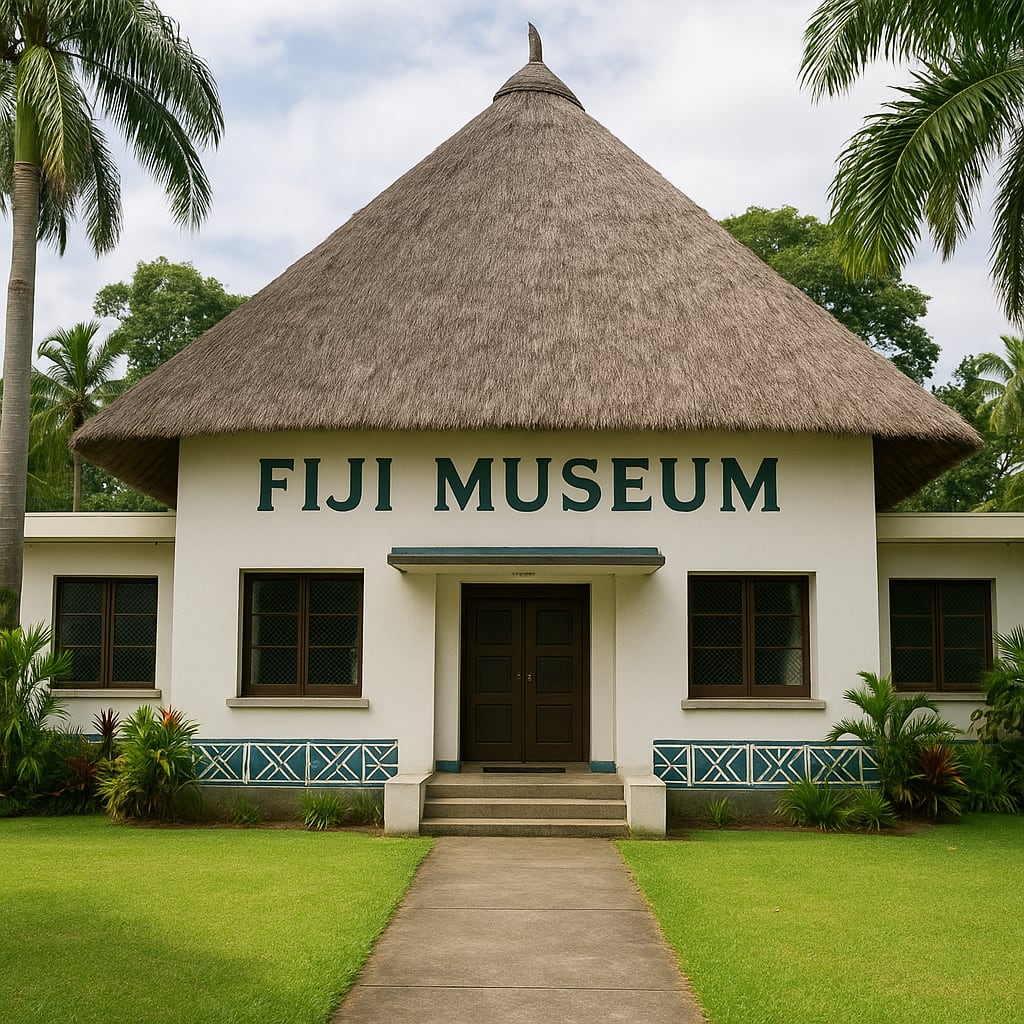
A Journey Through Time: The History of the Fiji Museum
Nestled in the heart of Suva’s Thurston Gardens, the Fiji Museum stands as a beacon of cultural heritage and historical preservation in the South Pacific. It is not just a repository of artifacts, but a living monument to Fiji’s vibrant past—home to centuries-old stories, archaeological discoveries, and the complex fusion of indigenous, colonial, and modern influences that shape the island nation today.
The Origins of the Museum
The idea of a formal museum in Fiji emerged in the early 20th century, spurred by growing recognition of the importance of preserving indigenous Fijian culture. In 1904, the first steps were taken when the Fiji Society of Science and Industry began collecting historical items for public display. By 1919, the initial collection was housed in the old Suva Town Hall.
However, it wasn’t until 1955 that the Fiji Museum found a permanent home in its current location within Thurston Gardens, a peaceful botanical park near the city center of Suva. Designed to reflect traditional Fijian architecture, the museum building features a distinctive thatched roof reminiscent of a bure, the traditional Fijian home. Its central location and unique aesthetic make it an iconic landmark in Suva.
Preserving the Ancient Past
The Fiji Museum houses one of the most comprehensive collections of Fijian artifacts in the world. Its exhibits span over 3,700 years of Fijian history, with pieces that date back to the time of the Lapita people, the early Austronesian settlers believed to be the ancestors of modern Fijians.
Among the museum’s most prized exhibits is a 3,700-year-old Lapita pottery shard, discovered during excavations in the Sigatoka Valley. These pottery fragments are adorned with distinctive dentate-stamped designs and provide critical insight into the migration and lifestyle patterns of Fiji’s first inhabitants.
The museum’s archaeological section also includes tools, ornaments, and weapons from early Fijian society. Traditional items such as clubs, spears, and tabua (whale’s teeth) are displayed not only as artifacts but as cultural symbols that still hold ceremonial value in modern Fiji.
Colonial and Missionary Influences
The museum also explores the complex history of European contact, especially the arrival of missionaries and colonial administrators in the 19th century. This period saw significant changes in Fijian society, including the introduction of Christianity, changes in governance, and the eventual cession of Fiji to the British Empire in 1874.
Artifacts from this period include missionary bibles, colonial uniforms, and early photographs documenting Suva’s transformation from a village into the colonial capital. The museum doesn’t shy away from controversial aspects of history, either. It addresses the blackbirding era, during which thousands of people from the Solomon Islands and Vanuatu were brought to Fiji as indentured laborers.
Indo-Fijian Heritage and Multiculturalism
Another important chapter in the museum’s exhibits is the story of the Indo-Fijian community, whose ancestors arrived in the late 19th and early 20th centuries under British indenture. The museum provides insight into the struggles and contributions of these people, from working on sugarcane plantations to playing a central role in Fiji’s cultural and economic development.
Traditional Indian garments, cooking utensils, and religious artifacts illustrate the rich cultural blend that has become uniquely Fijian. Multicultural exhibits also highlight Fiji’s Chinese, European, and other Pacific Islander communities.
Modern Developments and Cultural Education
Over the years, the Fiji Museum has continued to grow, both in its collection and its role in the community. It serves as a center for cultural education, offering school programs, workshops, and lectures. Its Heritage and Archaeology Department conducts ongoing field research, helping to uncover and preserve previously unknown sites throughout the islands.
The museum is also deeply involved in the repatriation and conservation of traditional Fijian objects from overseas museums. As a steward of Fiji’s national heritage, it plays an important role in fostering a sense of identity and pride among the younger generations.
A Living Legacy
The Fiji Museum is more than a place to view old objects; it’s a living, breathing cultural institution that captures the essence of Fiji’s past, present, and future. Whether you are a local or a visitor, a stroll through its galleries is a journey through thousands of years—across waves of migration, cultural evolution, resistance, and resilience.
As Fiji continues to modernize and face global challenges, the museum stands firm as a reminder of the strength and richness of its diverse heritage. It is a must-visit site for anyone wishing to understand the true heart of Fiji.
About the Creator
Keep reading
More stories from Mukhtiar Ahmad and writers in History and other communities.
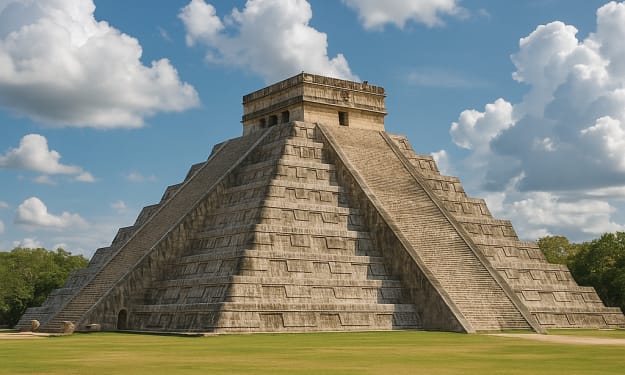
Chichén Itzá: Legacy of Maya Civilization
Chichén Itzá: The Sacred City of the Maya Chichén Itzá, one of the most iconic archaeological sites in the world, is a magnificent pre-Columbian city built by the Maya civilization in the Yucatán Peninsula of Mexico. Dominated by the grand pyramid known as El Castillo (also called the Temple of Kukulcán), the site is a powerful symbol of the ingenuity, astronomical precision, and architectural brilliance of the ancient Maya. Today, it stands as a UNESCO World Heritage Site and one of the New Seven Wonders of the World, drawing millions of visitors every year.
By Mukhtiar Ahmad10 months ago in History
Thief who stole $3.5 billion but lost all in one phone call part 2
The following year, the owner of Silk Road was arrested and the FBI shut down the website, seizing about 170,000 Bitcoins. However, 51,680 Bitcoins were still missing, and investigators had been trying to trace them for years.
By Imran Ali Shah7 days ago in History



Comments (1)
The Fiji Museum sounds really interesting. It's great that it's been around since the early 20th century, preserving Fijian culture. I wonder how they decided which artifacts to display. And that 3,700-year-old pottery shard? That's mind-blowing. How do they ensure the safety of these ancient pieces?